Residual Solvents
Overview
With the demand for cannabis rising, a wide range of products have been developed for the consumer. When butters, oils, wax, or shatters are created, solvents (volatile organic compounds) are needed to extract the cannabinoids from the plant. Since there is a wide range of production techniques, many types of solvents are involved during these manufacturing processes. These solvents have different levels of hazards to humans. For safety and health concerns, solvents are to be removed from the product after extraction. However, small quantities of these solvents may remain in the products and are commonly known as residual solvents. These residual solvents are classified according to their risk to human health.
Three classes of solvents
- Class 1: Known and suspected carcinogens and environmental hazards
- Class 2: Disease causative agents and solvents that possess irreversible toxicity
- Class 3: Low toxic potential
Common Residual Solvents
Acetone
Butane
Carbon Dioxide
Dichloromethane
- Diethyl-ether
- Ethanol
Heptane
Hexane
Isopropanol
Methanol
- Pextane
- Propane
- Toluene
Solutions
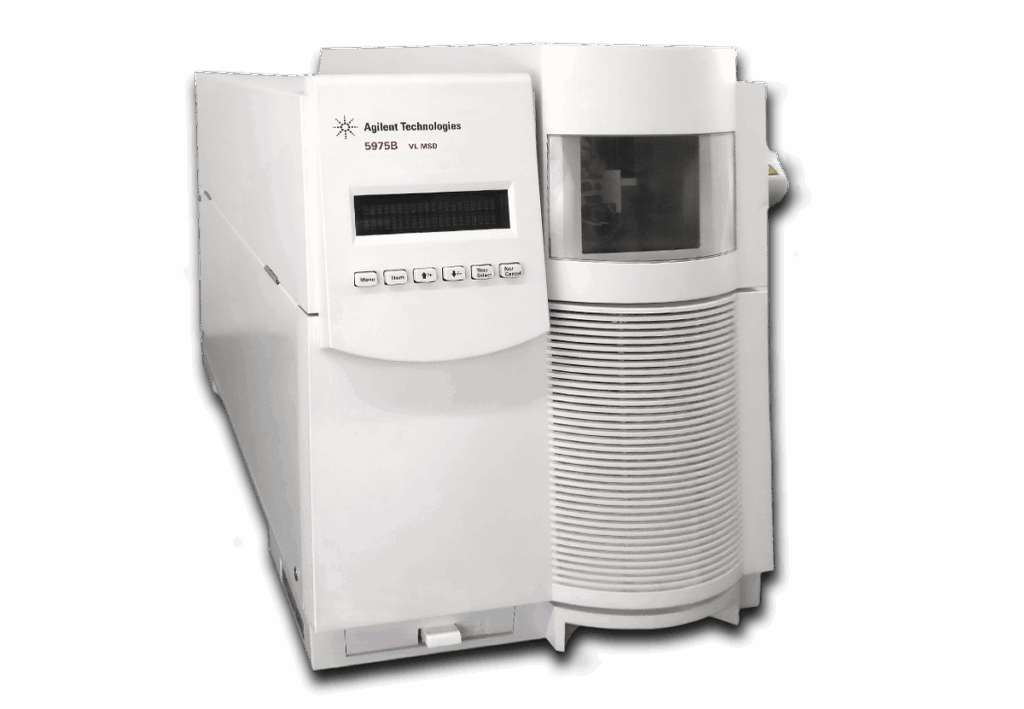
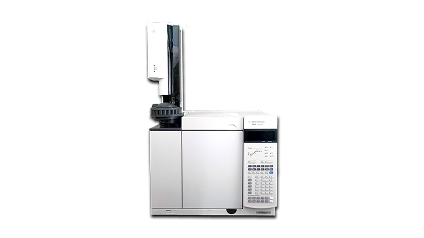
A GC-FID with headspace autosampler systems can be used for quantitative analysis of the residual solvents. Solvent molecules will evaporate in the headspace and be injected into the GC for separation followed by detection. For better confirmation and more versatility, GC-MS systems are becoming more popular. GC-MS systems are able to identify the exact compounds eluted at different times by determining the molecular mass of each compound. This provides better confirmation for the known residual solvents, and also allows detection for unknowns.
Gas Chromatography Systems (GC)
Popular Brands