Soil / Sludge / Solid Waste & Sample Prep
Characterization of organic and inorganic contaminants in soil, sludge, and solid waste, including sample digestion and preparation for accurate analytical results.
Organic Compounds in Soils/Sludges and Solid Waste
Overview
Semivolatile organic compounds (SVOCs), including polycyclic aromatic hydrocarbons (PAHs) and polychlorinated biphenyls (PCBs), are persistent environmental pollutants commonly found in soils, sludges, and solid wastes. PAHs are typically generated from incomplete combustion of organic materials, while PCBs originate from industrial applications such as electrical equipment and hydraulic fluids. Both compound groups are of major environmental and health concern due to their toxicity, carcinogenic potential, and tendency to bioaccumulate in ecosystems. Monitoring their presence and concentration in environmental matrices is essential for assessing contamination levels, guiding remediation efforts, and ensuring regulatory compliance.
Test Methods
EPA Method 8275A
Solutions
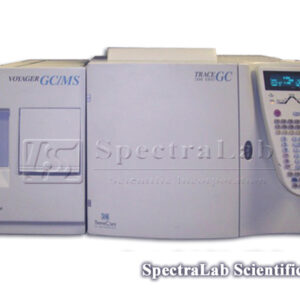
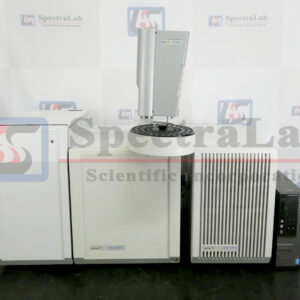
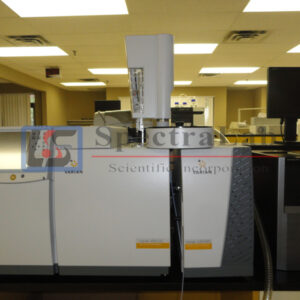
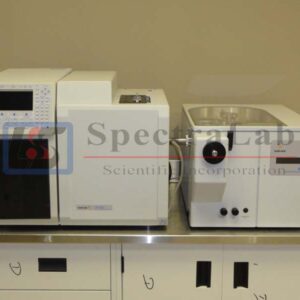
Gas Chromatography–Mass Spectrometry (GC-MS) provides a powerful and sensitive analytical technique for the determination of PAHs and PCBs in soils, sludges, and solid waste samples. Samples are typically extracted using solvent extraction or Soxhlet methods, followed by cleanup to remove interferences before injection into the GC-MS system. The gas chromatograph separates individual analytes based on their volatility and polarity, while the mass spectrometer detects and identifies them through their unique mass spectra, enabling both qualitative and quantitative analysis. Modern GC-MS systems equipped with selective ion monitoring (SIM), high-resolution columns, and automated sample introduction deliver excellent sensitivity, accuracy, and reproducibility. This technique ensures reliable detection of trace-level SVOCs in complex environmental samples, supporting regulatory and environmental monitoring programs.
Featured GC-MS
Discover a wide range of lab equipment from top manufacturers at SpectraLab. View all to find more GC-MS equipment!
-
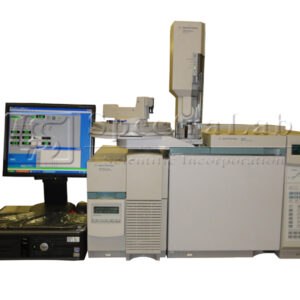
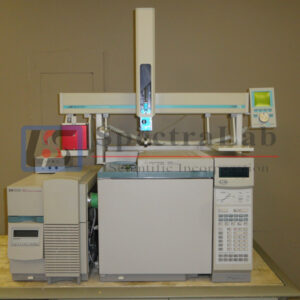
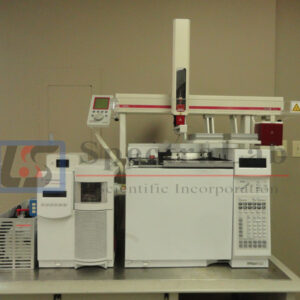
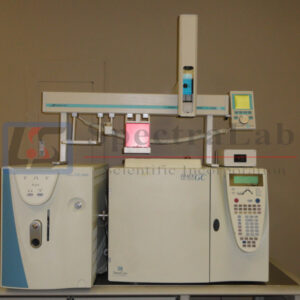
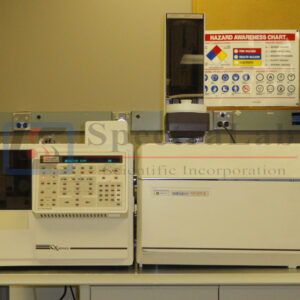
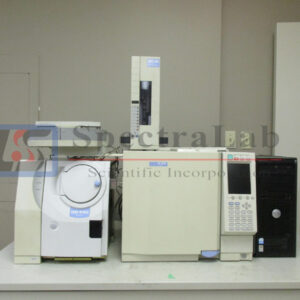
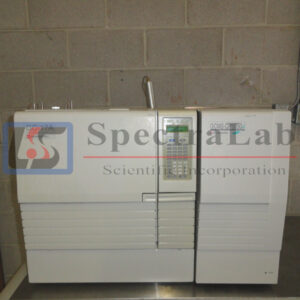
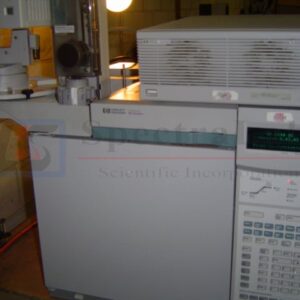
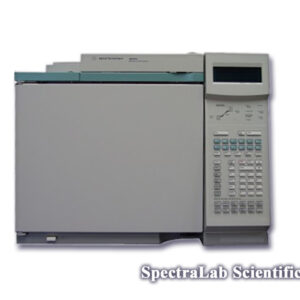
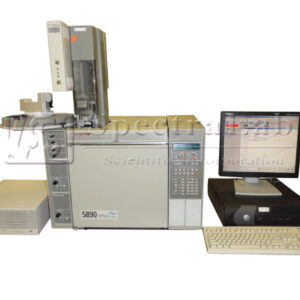
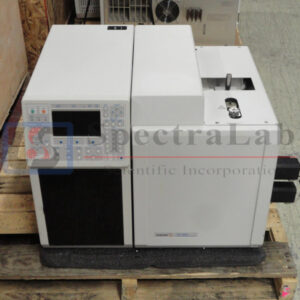
HP 5973 EI/CI MSD G1099A with 6890 Plus GC & CTC Analytics Combi PAL Autosampler
Item ID: RefurbishedIn StockPrice:$25000 USD
-
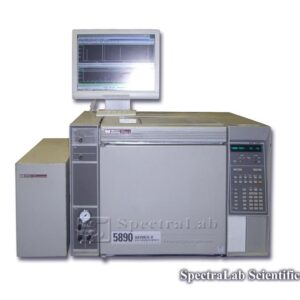
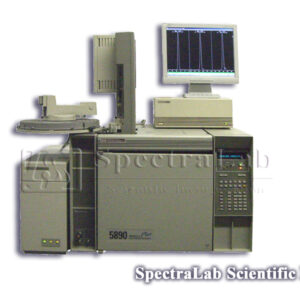
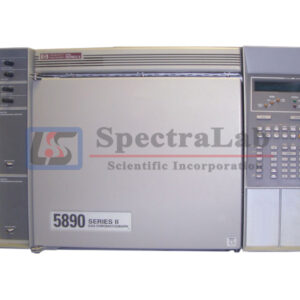
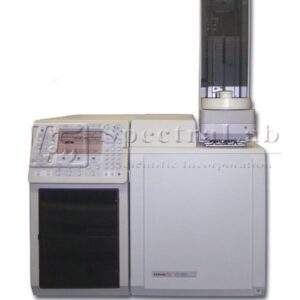
HP 5972 MSD with HP 5890 II GC, HP 7673B Autosampler, Data System and Rough Pump
Item ID: RefurbishedIn Stock
Acid Digestion of Sediments, Sludges, and Soils
Overview
Sediments, sludges, and soils often contain a wide range of metals—both naturally occurring and introduced through industrial, agricultural, or environmental activities. Determining the concentrations of these elements is essential for assessing contamination levels, evaluating environmental impact, and ensuring compliance with regulatory standards. However, metals in such matrices are typically bound within complex mineral structures or organic matter, requiring chemical digestion to convert them into soluble forms suitable for quantitative analysis. Accurate digestion and subsequent measurement provide critical information for environmental monitoring, waste management, and remediation studies.
Test Methods
EPA 3050 B
Solutions
Acid digestion followed by Atomic Absorption Spectrophotometry (AA) is a well-established and reliable method for determining metal concentrations in sediments, sludges, and soils. In this procedure, samples are treated with strong mineral acids—commonly nitric acid, hydrochloric acid, and sometimes hydrofluoric acid—under controlled heating conditions to dissolve both the organic and inorganic components. The resulting clear solution is then analyzed by AA, where metals are quantified either by flame or graphite furnace techniques depending on their concentration levels. Modern AA instruments feature automated wavelength selection, background correction, and precise temperature control, ensuring high accuracy and reproducibility. This combination of acid digestion and AA provides a robust and sensitive approach for the determination of trace and major metals in complex environmental matrices.
Featured AA
Discover a wide range of lab equipment from top manufacturers at SpectraLab. View all to find more AA equipment!
Evaluating Solid Waste
Overview
Solid wastes can contain a wide range of metallic constituents originating from industrial, municipal, or environmental sources. These metals may exist as essential elements, process residues, or hazardous contaminants that pose risks to human health and the environment. Evaluating the metal content of solid waste is crucial for waste classification, treatment design, and compliance with environmental regulations such as those governing hazardous waste disposal and leachate control. Because metals in solid matrices are often tightly bound within complex compositions, accurate determination requires thorough sample preparation and sensitive analytical measurement techniques.
Test Methods
EPA SW-846
Solutions
Atomic Absorption Spectrophotometry (AA) provides a reliable and versatile method for determining both major and trace metals in solid waste materials. Typically, solid samples undergo acid digestion to dissolve metallic components into a clear aqueous solution suitable for analysis. Flame AA is employed for higher-concentration elements such as calcium, magnesium, or iron, while Graphite Furnace AA (GFAAS) offers the sensitivity needed for trace metals such as lead, cadmium, and arsenic. Modern AA instruments feature stable light sources, automatic background correction, and precise calibration systems, ensuring accurate and reproducible results across a wide range of elements. This combination of standardized test methods and advanced AA technology supports comprehensive characterization and regulatory evaluation of solid waste materials.
Featured GC-MS
Discover a wide range of lab equipment from top manufacturers at SpectraLab. View all to find more GC-MS equipment!
-
HP 5973 EI/CI MSD G1099A with 6890 Plus GC & CTC Analytics Combi PAL Autosampler
Item ID: RefurbishedIn StockPrice:$25000 USD
-
HP 5972 MSD with HP 5890 II GC, HP 7673B Autosampler, Data System and Rough Pump
Item ID: RefurbishedIn Stock
SpectraLab Scientific Inc
Established in 2003,
SpectraLab Scientific is a global leader of Refurbished analytical equipment. We specialize in reconditioning equipment, integrating the best available technologies from leading manufacturers across the industry. We are committed to quality and service, delivering strong customer satisfaction. We stock over 10,000 pre-owned lab equipment, components, and mix-and-match parts for your systems.