Essential Oil
Assessing the purity, authenticity, and composition of essential oils to maintain product quality and consumer trust.
Mineral Oil
Overview
Mineral oil is a complex mixture of saturated hydrocarbons derived from petroleum and is widely used in cosmetics, pharmaceuticals, food-grade lubricants, and industrial formulations. Its chemical composition, viscosity, and purity directly influence product performance and safety. Detailed analysis of mineral oil is essential to identify hydrocarbon distribution, detect impurities such as aromatic compounds or low-boiling fractions, and ensure compliance with quality specifications like USP, EP, and FDA standards.
Test Methods
Solutions
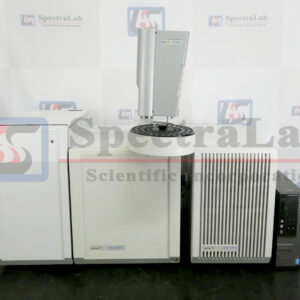
Gas Chromatography with Flame Ionization Detection (GC-FID) offers a robust and accurate technique for the compositional analysis of mineral oils. GC-FID efficiently separates hydrocarbon components by carbon number and volatility, allowing quantification of paraffinic, naphthenic, and aromatic fractions. This method provides excellent repeatability, sensitivity, and linear response over a wide concentration range. By employing GC-FID, laboratories can verify product purity, monitor refining consistency, detect contamination, and ensure that mineral oil meets stringent regulatory and industry quality requirements.
Featured GC-FID
Discover a wide range of lab equipment from top manufacturers at SpectraLab. View all to find more GC-FID equipment!
-
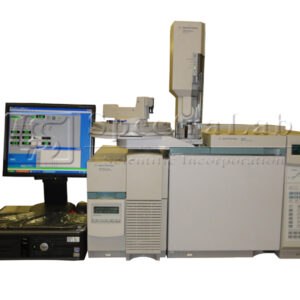
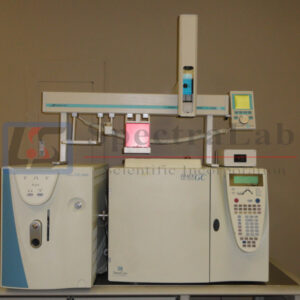
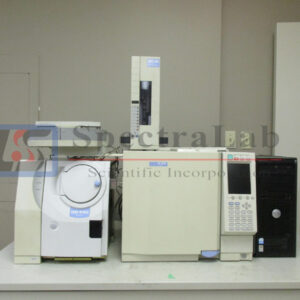
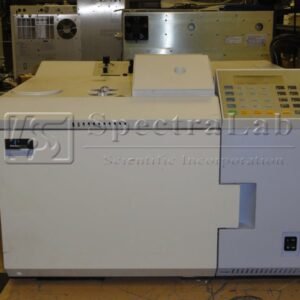
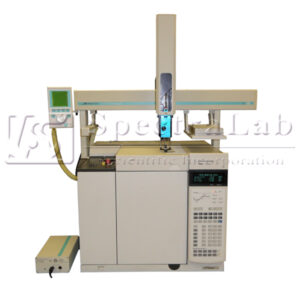
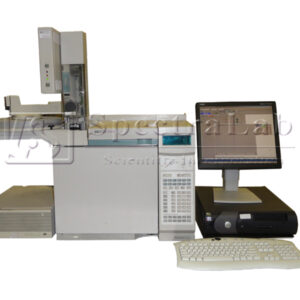
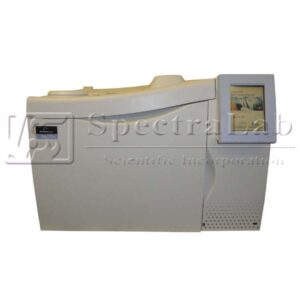
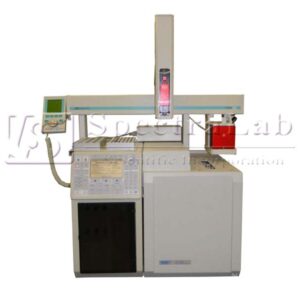
Agilent 6890 GC with FID/ECD or NPD, Agilent G1512A Controller and Agilent 6890 Auto Injector
Item ID: RefurbishedIn Stock -
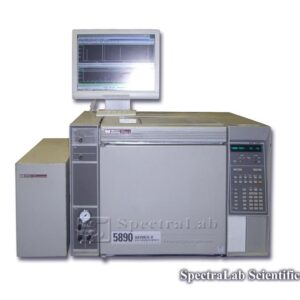
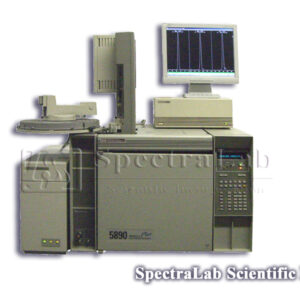
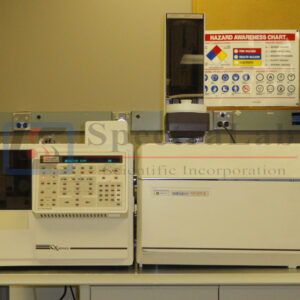
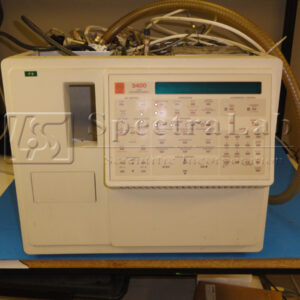
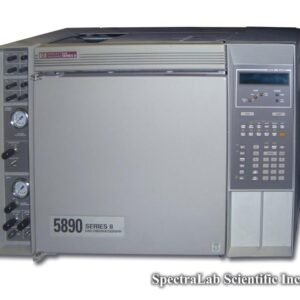
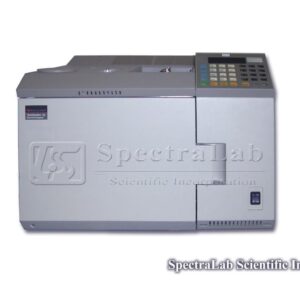
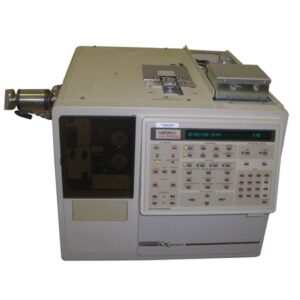
HP 5890 II GC with Dual FIDs, Split/splitless Inlet and Purged Packed Inlet
Item ID: RefurbishedIn Stock
Peppermint Oil
Overview
Peppermint oil is a natural essential oil composed of various volatile compounds, primarily menthol, menthone, and menthyl acetate, which contribute to its characteristic aroma and therapeutic properties. Comprehensive analysis of peppermint oil is essential to determine its chemical profile, assess purity, and detect adulteration or quality variations due to origin, processing, or storage conditions.
Test Methods
Solutions
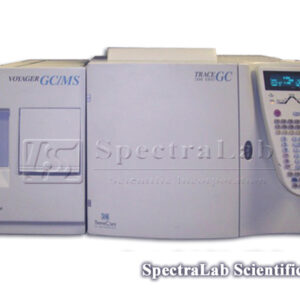
Gas Chromatography coupled with Mass Spectrometry (GC-MS) provides a powerful and precise method for analyzing the composition of peppermint oil. The GC component separates individual volatile constituents, while the MS identifies and quantifies them based on their mass spectra. This technique enables detailed characterization of key components and trace compounds, ensuring authenticity, purity, and consistency. GC-MS analysis supports quality control, regulatory compliance, and product development across the food, cosmetic, and pharmaceutical industries.
Featured GC-MS
Discover a wide range of lab equipment from top manufacturers at SpectraLab. View all to find more GC-MS equipment!
-
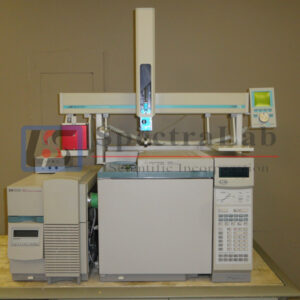
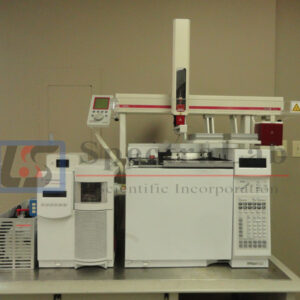
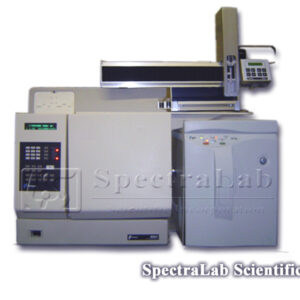
HP 5973 EI/CI MSD G1099A with 6890 Plus GC & CTC Analytics Combi PAL Autosampler
Item ID: RefurbishedIn StockPrice:$25000 USD
-
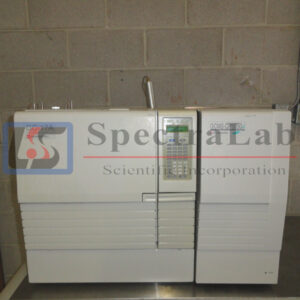
HP 5972 MSD with HP 5890 II GC, HP 7673B Autosampler, Data System and Rough Pump
Item ID: RefurbishedIn Stock
Rose Oil
Overview
Rose oil is a highly valued essential oil known for its complex aroma profile, consisting of numerous volatile compounds such as citronellol, geraniol, nerol, and phenylethyl alcohol. Due to its high market value and sensitivity to adulteration, detailed compositional analysis is crucial to verify authenticity, assess quality, and ensure consistency across production batches.
Test Methods
Solutions
Gas Chromatography coupled with Mass Spectrometry (GC-MS) and Tandem Mass Spectrometry (GC-MS/MS) provides a powerful analytical approach for the precise characterization of rose oil. GC-MS allows for the separation and identification of major and minor volatile constituents, while GC-MS/MS offers enhanced selectivity and sensitivity for confirming compound identities and detecting trace adulterants. Together, these techniques deliver comprehensive chemical profiling, ensuring purity verification, origin authentication, and compliance with quality standards for perfumery, cosmetic, and pharmaceutical applications.
Featured GC-MS
Discover a wide range of lab equipment from top manufacturers at SpectraLab. View all to find more GC-MS equipment!
-
HP 5973 EI/CI MSD G1099A with 6890 Plus GC & CTC Analytics Combi PAL Autosampler
Item ID: RefurbishedIn StockPrice:$25000 USD
-
HP 5972 MSD with HP 5890 II GC, HP 7673B Autosampler, Data System and Rough Pump
Item ID: RefurbishedIn Stock
Ylang Ylang Oil
Overview
Ylang ylang oil is a fragrant essential oil derived from the flowers of Cananga odorata, prized in perfumery and aromatherapy for its rich, floral aroma. It contains a complex mixture of volatile compounds such as linalool, germacrene D, and benzyl acetate, which vary depending on extraction method and origin. Accurate compositional analysis is essential to verify quality, authenticity, and consistency across production batches.
Test Methods
Solutions
Gas Chromatography coupled with Mass Spectrometry (GC-MS) provides a highly effective method for analyzing the chemical composition of ylang ylang oil. The GC separates individual volatile constituents, while the MS identifies and quantifies them based on their molecular structure and fragmentation patterns. This technique enables detailed profiling of key aroma compounds, detection of adulteration, and verification of purity, supporting quality control and formulation development in fragrance, cosmetic, and aromatherapy industries.
Featured GC-MS
Discover a wide range of lab equipment from top manufacturers at SpectraLab. View all to find more GC-MS equipment!
-
HP 5973 EI/CI MSD G1099A with 6890 Plus GC & CTC Analytics Combi PAL Autosampler
Item ID: RefurbishedIn StockPrice:$25000 USD
-
HP 5972 MSD with HP 5890 II GC, HP 7673B Autosampler, Data System and Rough Pump
Item ID: RefurbishedIn Stock
Orange Oil
Overview
Dioctyl sulfosuccinate (DOSS) is an anionic surfactant commonly used as a dispersing agent, wetting agent, and emulsifier in industrial and environmental applications. It gained particular attention as a major component of oil spill dispersants, such as those used in marine remediation efforts. Due to its surface-active properties and persistence, DOSS can remain in aquatic environments and may pose risks to marine organisms. Monitoring its concentration in seawater is essential for evaluating environmental impact, understanding dispersion behavior, and ensuring compliance with environmental quality standards.
Test Methods
Solutions
Gas Chromatography coupled with Mass Spectrometry (GC-MS) provides a precise and comprehensive method for analyzing the chemical composition of orange oil. The GC separates volatile constituents such as limonene, myrcene, and linalool, while the MS identifies and quantifies each compound based on its molecular signature. This technique enables accurate profiling, purity verification, and quality control, ensuring that orange oil meets industry and regulatory standards for natural product formulations.
Featured GC-MS
Discover a wide range of lab equipment from top manufacturers at SpectraLab. View all to find more GC-MS equipment!
-
HP 5973 EI/CI MSD G1099A with 6890 Plus GC & CTC Analytics Combi PAL Autosampler
Item ID: RefurbishedIn StockPrice:$25000 USD
-
HP 5972 MSD with HP 5890 II GC, HP 7673B Autosampler, Data System and Rough Pump
Item ID: RefurbishedIn Stock
Cold-pressed Orange Oil
Overview
Cold-pressed orange oil is a natural essential oil obtained from the peel of fresh oranges through mechanical extraction, preserving its aromatic and bioactive compounds. Its composition, primarily dominated by limonene along with aldehydes and esters, determines its fragrance quality, stability, and commercial value. Analyzing cold-pressed orange oil is essential to assess purity, detect adulteration, and ensure consistency in flavor, fragrance, and cosmetic applications.
Test Methods
–
Solutions
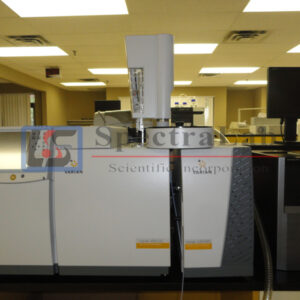
Gas Chromatography (GC) provides an effective and reliable method for profiling the volatile components of cold-pressed orange oil. The technique separates individual compounds such as limonene, β-myrcene, and decanal based on their volatility and polarity. GC analysis allows precise quantification of major and minor constituents, enabling quality control, authentication, and optimization of extraction processes to maintain the natural integrity and performance of orange oil.
Featured GC
Discover a wide range of lab equipment from top manufacturers at SpectraLab. View all to find more GC equipment!
Spearmint Oil
Overview
Spearmint oil is a natural essential oil rich in carvone, limonene, and other terpenoids that give it its distinctive, refreshing aroma. Its composition can vary depending on the plant variety, growing conditions, and extraction process. Accurate compositional analysis is essential to verify purity, ensure consistent quality, and detect possible adulteration in food, cosmetic, and pharmaceutical applications.
Test Methods
–
Solutions
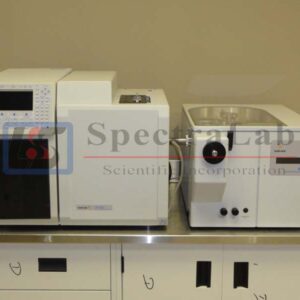
Gas Chromatography (GC) provides a precise and reliable method for analyzing the volatile components of spearmint oil. The technique separates and quantifies key compounds such as carvone and limonene, offering a detailed chemical profile. GC analysis ensures quality control, authenticity verification, and consistency across production batches, supporting regulatory compliance and product standardization.
Featured GC
Discover a wide range of lab equipment from top manufacturers at SpectraLab. View all to find more GC equipment!
SpectraLab Scientific Inc
Established in 2003,
SpectraLab Scientific is a global leader of Refurbished analytical equipment. We specialize in reconditioning equipment, integrating the best available technologies from leading manufacturers across the industry. We are committed to quality and service, delivering strong customer satisfaction. We stock over 10,000 pre-owned lab equipment, components, and mix-and-match parts for your systems.