-

-
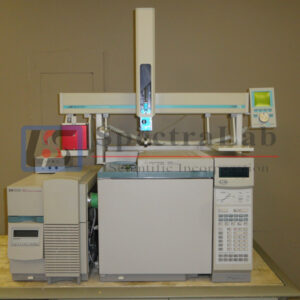
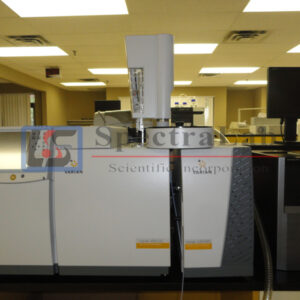
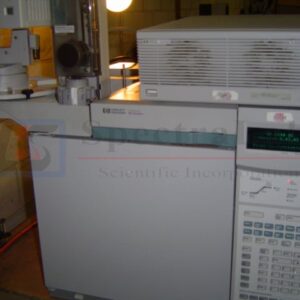
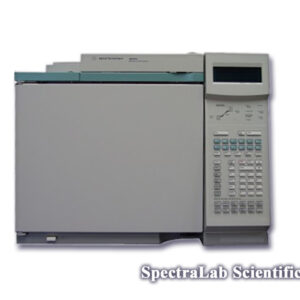
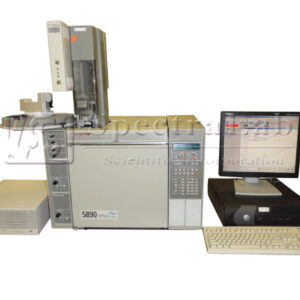
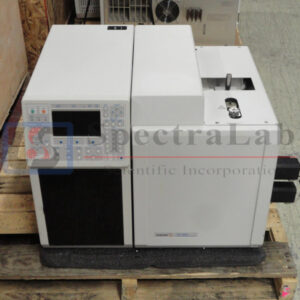
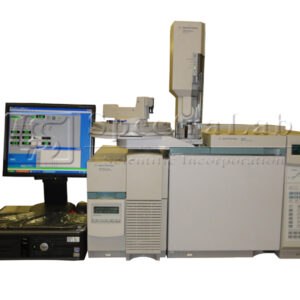
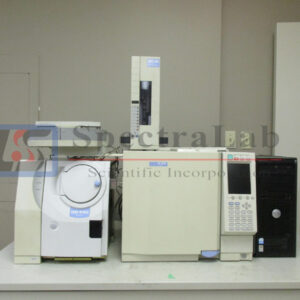
HP 5973 EI/CI MSD G1099A with 6890 Plus GC & CTC Analytics Combi PAL Autosampler
RefurbishedIn StockPrice:$25000 USD
-
-
-

🇺🇸 Spectralab Scientific Expands to the U.S.! 🇺🇸 Dismiss
Analysis of natural gas, LPG, and process gas streams for hydrocarbons, sulfur species, and trace contaminants. Accurate quantification supports energy production, emissions control, and environmental monitoring.
Butane and other light hydrocarbon gases are commonly analyzed to determine compositional purity and verify compliance with fuel and industrial gas specifications. Impurities such as methane, ethane, propane, pentanes, and inert gases (N₂, CO₂) can affect performance characteristics and safety parameters in downstream applications. ASTM D1945-03(2010), Standard Test Method for Analysis of Natural Gas by Gas Chromatography, provides a precise approach for determining hydrocarbon composition and calculating physical properties such as molecular weight, density, and heating value. Applying this method to butane ensures accurate quantification of purity, trace components, and compliance with industry quality standards.
Gas Chromatography with Flame Ionization Detection (GC-FID), following ASTM D1945-03(2010), is the standard procedure for determining the purity and composition of butane and other light hydrocarbon gases. The GC system employs a packed or capillary column designed for hydrocarbon separation, typically using a non-polar stationary phase such as Porapak or alumina-based materials. Sample introduction is performed via a gas sampling valve with a fixed loop to ensure consistent injection volume.
Under controlled carrier gas flow and temperature programming, the GC separates individual components by volatility, and the FID provides a linear response to the carbon content of each hydrocarbon species. Calibration with certified natural gas or hydrocarbon reference standards enables precise quantification and calculation of component mole fractions. The resulting chromatogram allows determination of butane purity, detection of minor constituents, and computation of key gas properties in accordance with ASTM D1945. This method delivers high accuracy, repeatability, and reliability for laboratory and refinery gas quality assurance.
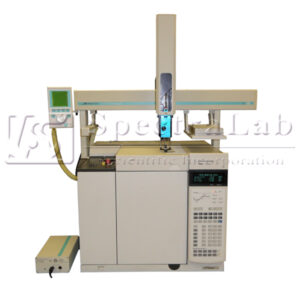
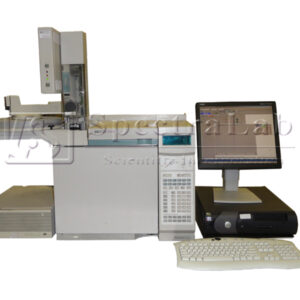
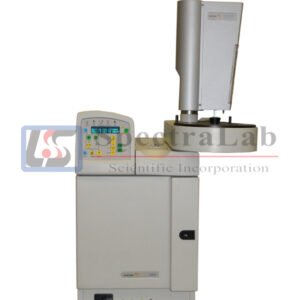
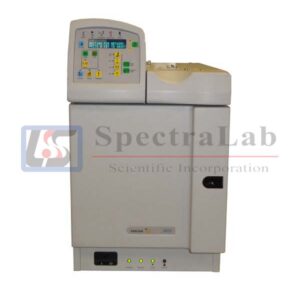
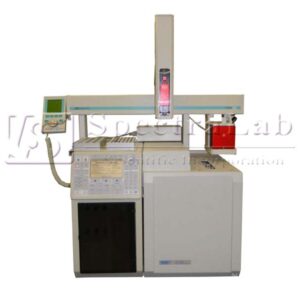
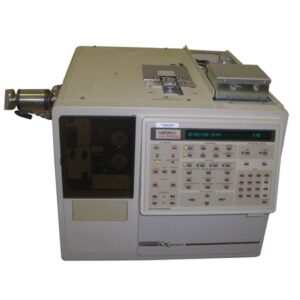
Featured GC-FID
Discover a wide range of lab equipment from top manufacturers at SpectraLab. View all to find more GC-FID equipment!
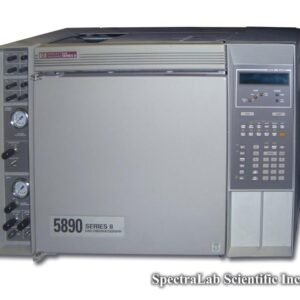
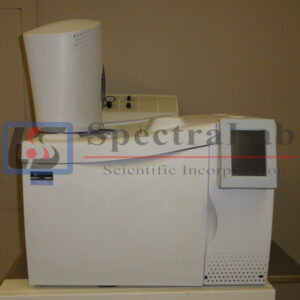
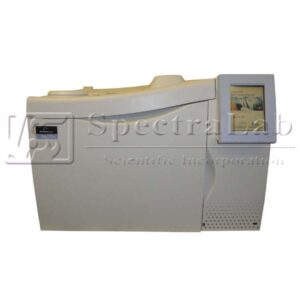
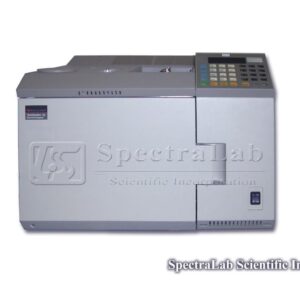
Mercury occurs naturally in trace amounts within natural gas reservoirs and can exist in elemental, ionic, or organometallic forms. Even at very low concentrations (in the µg/m³ range), mercury poses significant risks to equipment, catalysts, and the environment. During gas processing and liquefaction, mercury can amalgamate with aluminum heat exchangers and cause embrittlement or corrosion. Monitoring and controlling mercury concentration is therefore critical for protecting process infrastructure, ensuring worker safety, and meeting environmental regulations. Accurate sampling and analysis allow operators to evaluate gas stream purity and verify the effectiveness of mercury removal systems.
ASTM D5954-98
Atomic Absorption Spectroscopy (AAS), specifically Cold Vapor Atomic Absorption (CV-AAS), is a precise and widely adopted method for measuring mercury in natural gas. Sampling is typically performed by passing gas through impingers or sorbent tubes containing oxidizing or gold-coated materials that trap mercury species. In the laboratory, trapped mercury is thermally desorbed or chemically reduced to its elemental vapor form. The vapor is then introduced into the AAS system, where mercury atoms absorb radiation at 253.7 nm, producing a signal proportional to concentration. Calibration is achieved using traceable mercury vapor standards to ensure quantitative accuracy at ppb–ppt levels. CV-AAS offers excellent sensitivity, selectivity, and reproducibility, making it the preferred technique for verifying mercury removal efficiency and ensuring compliance with natural gas processing and LNG export specifications.
Featured AA
Discover a wide range of lab equipment from top manufacturers at SpectraLab. View all to find more AA equipment!
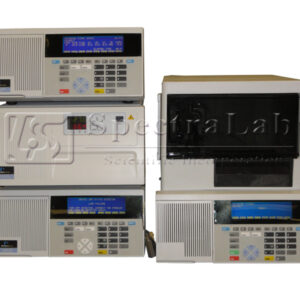
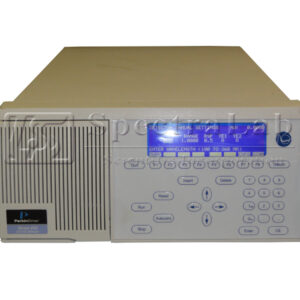
$7500 USD
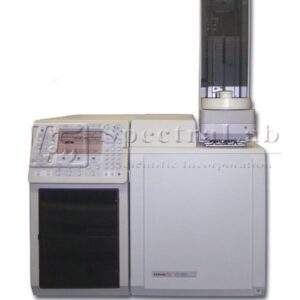
Non-methane organic compounds (NMOCs) are a diverse group of volatile organic compounds (VOCs) excluding methane, originating from industrial emissions, vehicle exhaust, fuel evaporation, and biogenic sources. These analytes play a significant role in atmospheric chemistry, contributing to ozone formation and secondary organic aerosol (SOA) generation. Monitoring NMOC concentrations in ambient air is essential for assessing air quality, identifying pollution sources, and ensuring regulatory compliance with environmental standards such as U.S. EPA Method TO-15 and TO-17. Accurate quantification provides insight into photochemical reactivity and supports pollution control strategies.
ASTM D5953M-96
Headspace Gas Chromatography with Flame Ionization Detection (HS-GC-FID) is a robust and sensitive method for the quantitative determination of NMOCs in ambient air. Air samples are typically collected using canisters, sorbent tubes, or sampling bags and introduced into the headspace sampler for controlled thermal equilibration. The headspace vapor is injected into the GC system, where compounds are separated on a non-polar capillary column under temperature programming. The FID provides linear response to carbon content, allowing accurate quantification of a wide range of hydrocarbons, aldehydes, ketones, and oxygenated VOCs. Calibration with certified NMOC gas standards ensures traceable accuracy and reproducibility. HS-GC-FID offers excellent sensitivity, minimal sample handling, and suitability for both field and laboratory monitoring—making it an effective tool for evaluating air quality, industrial emissions, and photochemical pollution potential.
Featured HS-GC-FID
Discover a wide range of lab equipment from top manufacturers at SpectraLab. View all to find more HS-GC-FID equipment!
$25000 USD
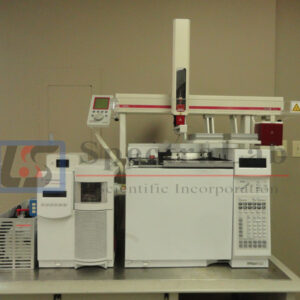
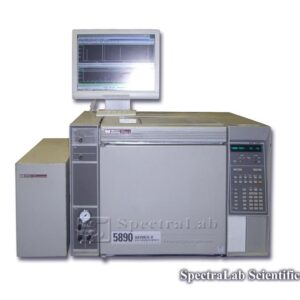
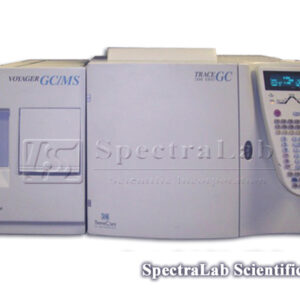
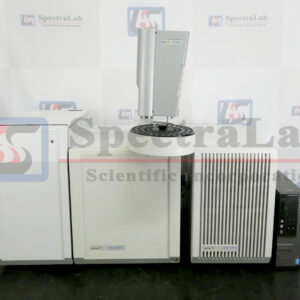
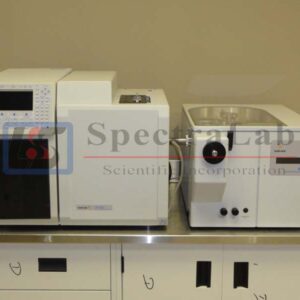
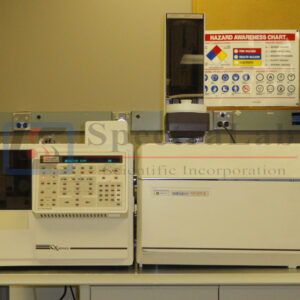
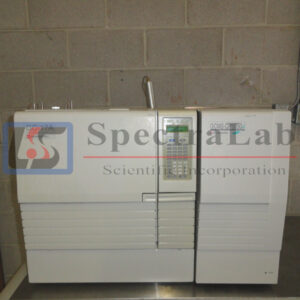
1,3-Butadiene is an important monomer used in the production of synthetic rubber, resins, and plastics. Because of its high reactivity and polymerization tendency, trace hydrocarbon impurities—such as ethane, propane, propylene, butenes, and butanes—must be carefully monitored. These impurities can adversely affect polymerization reactions, catalyst performance, and final product properties. Quantifying trace components at ppm levels provides insight into feedstock purity, process efficiency, and adherence to industrial specifications such as ASTM D2163. Maintaining high purity is essential for both operational safety and downstream material quality.
–
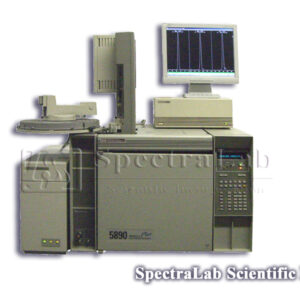
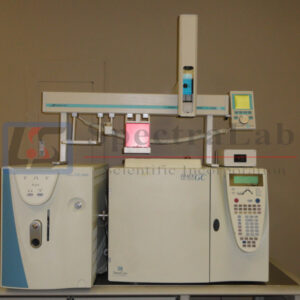
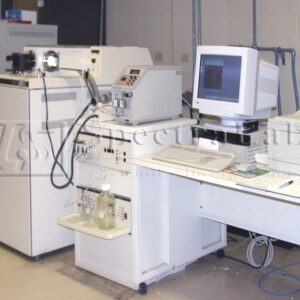
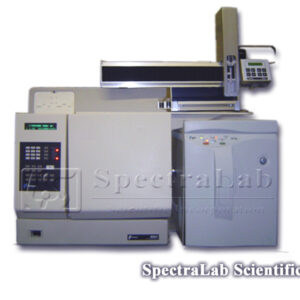
Gas Chromatography with Flame Ionization Detection (GC-FID) is the primary analytical technique for determining trace hydrocarbon impurities in 1,3-butadiene. The GC separates light hydrocarbons on a highly efficient capillary column—typically using a non-polar stationary phase such as dimethylpolysiloxane—under temperature-programmed conditions to resolve C1–C5 species. The FID provides sensitive, linear detection of carbon-containing compounds, allowing accurate quantification down to low ppm levels. Calibration with certified hydrocarbon gas standards ensures traceable accuracy, while sample introduction through a gas sampling valve with a fixed loop guarantees repeatability. The resulting chromatographic profile identifies and quantifies all relevant impurities, ensuring that 1,3-butadiene meets stringent purity and quality control specifications for polymer-grade applications.
Featured GC-FID
Discover a wide range of lab equipment from top manufacturers at SpectraLab. View all to find more GC-FID equipment!
SpectraLab Scientific is a global leader of Refurbished analytical equipment. We specialize in reconditioning equipment, integrating the best available technologies from leading manufacturers across the industry. We are committed to quality and service, delivering strong customer satisfaction. We stock over 10,000 pre-owned lab equipment, components, and mix-and-match parts for your systems.
We care about your privacy
In order to provide you a personalized shopping experience, our site uses cookies. By continuing to use this site, you are agreeing to our cookie policy.