Petrochemical & Hydrocarbon Chemicals
Comprehensive testing of petrochemical feedstocks, intermediates, and finished products for purity, composition, and byproducts. Analytical data supports process control, product development, and environmental safety.
High-Purity n-Heptane and Isooctane
Overview
High-purity n-heptane and isooctane are critical reference fuels and solvents widely used in laboratories and industrial applications, particularly for octane rating and analytical testing. Ensuring their purity is essential, as trace impurities can significantly influence performance, calibration accuracy, and testing outcomes. Routine analysis of these hydrocarbons verifies chemical composition, detects contaminants, and confirms compliance with stringent quality specifications required in fuel, petrochemical, and research settings.
Test Methods
ASTM D2268-93
Solutions
Gas Chromatography with Flame Ionization Detection (GC-FID) provides a highly reliable and sensitive method for analyzing high-purity n-heptane and isooctane. GC separates individual hydrocarbon components based on their volatility and polarity, while the FID precisely quantifies each component through combustion ionization. This technique delivers excellent repeatability, sensitivity, and linearity, making it ideal for purity testing and impurity profiling. By using GC-FID, laboratories can ensure consistent quality control, accurate characterization, and verification of high-purity hydrocarbon standards.
Featured GC-FID
Discover a wide range of lab equipment from top manufacturers at SpectraLab. View all to find more GC-FID equipment!
-
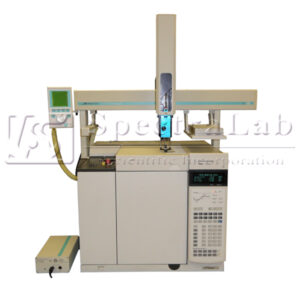
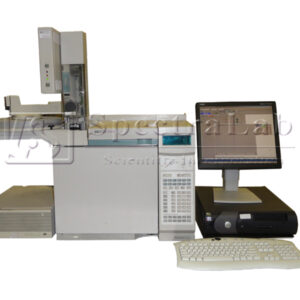
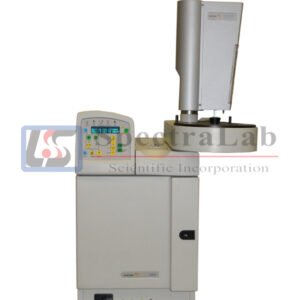
Agilent 6890 GC with FID/ECD or NPD, Agilent G1512A Controller and Agilent 6890 Auto Injector
Item ID: RefurbishedIn Stock -
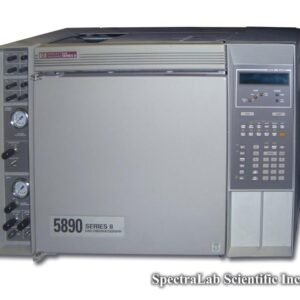
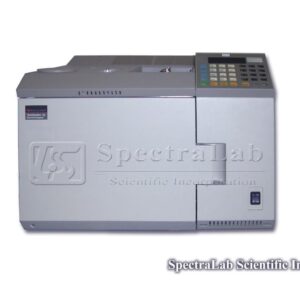
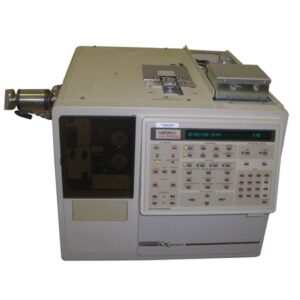
HP 5890 II GC with Dual FIDs, Split/splitless Inlet and Purged Packed Inlet
Item ID: RefurbishedIn Stock
Impurities in Monocyclic Aromatic Hydrocarbons
Overview
Monocyclic aromatic hydrocarbons such as benzene, toluene, and xylene (BTX) are fundamental raw materials in petrochemical and industrial processes. The presence of trace impurities in these compounds can affect downstream reactions, product quality, and compliance with purity standards. Accurate determination of these impurities is essential to ensure consistency, safety, and performance in applications ranging from chemical synthesis to fuel production and solvent manufacturing.
Test Methods
ASTM D5917-12
Solutions
Gas Chromatography with Flame Ionization Detection (GC-FID) offers a precise and efficient technique for identifying and quantifying trace impurities in monocyclic aromatic hydrocarbons. GC provides excellent separation of closely related aromatic compounds, while the FID delivers sensitive and linear detection across a wide concentration range. This method enables laboratories to detect even minute contamination levels, ensuring product integrity and adherence to regulatory or industry purity specifications. By using GC-FID, analysts can maintain reliable quality control and verify the high-purity standards of aromatic hydrocarbon produ
Featured GC-FID
Discover a wide range of lab equipment from top manufacturers at SpectraLab. View all to find more GC-FID equipment!
-
Agilent 6890 GC with FID/ECD or NPD, Agilent G1512A Controller and Agilent 6890 Auto Injector
Item ID: RefurbishedIn Stock -
HP 5890 II GC with Dual FIDs, Split/splitless Inlet and Purged Packed Inlet
Item ID: RefurbishedIn Stock
Benzene in Hydrocarbon Solvents
Overview
Benzene is a volatile aromatic compound classified as a hazardous air pollutant and a known carcinogen. Even at trace levels, its presence in hydrocarbon solvents poses health, environmental, and regulatory concerns. Monitoring benzene concentration is therefore essential to ensure solvent purity, product safety, and compliance with strict international standards. Accurate determination of trace benzene supports quality assurance in industries such as petrochemical processing, coatings, and fuel production.
Test Methods
ASTM D6229-06
Solutions
Gas Chromatography with Flame Ionization Detection (GC-FID) provides a highly sensitive and reliable approach for detecting trace benzene in hydrocarbon solvents. The GC system effectively separates benzene from other hydrocarbon components, while the FID quantifies it with excellent precision and linearity over a wide concentration range. This method offers rapid analysis, minimal sample preparation, and consistent reproducibility. By applying GC-FID, laboratories can confidently monitor benzene levels, verify product purity, and ensure adherence to environmental and safety regulations.
Featured GC-FID
Discover a wide range of lab equipment from top manufacturers at SpectraLab. View all to find more GC-FID equipment!
-
Agilent 6890 GC with FID/ECD or NPD, Agilent G1512A Controller and Agilent 6890 Auto Injector
Item ID: RefurbishedIn Stock -
HP 5890 II GC with Dual FIDs, Split/splitless Inlet and Purged Packed Inlet
Item ID: RefurbishedIn Stock
AMS (α-Methylstyrene)
Overview
α-Methylstyrene (AMS) is an important intermediate in the production of resins, plastics, and specialty chemicals. Its purity directly affects the quality and performance of end products such as acrylonitrile–butadiene–styrene (ABS) polymers and adhesives. Monitoring AMS composition and detecting trace impurities are essential to ensure product consistency, optimize manufacturing processes, and comply with industrial quality specifications. Accurate analysis helps maintain the reliability and stability of materials derived from AMS.
Test Methods
ASTM D6144-13
Solutions
Gas Chromatography with Flame Ionization Detection (GC-FID) is an effective and precise technique for analyzing α-methylstyrene and its impurities. The GC efficiently separates AMS from structurally similar aromatic compounds, while the FID provides sensitive, quantitative detection of both major and minor components. This method offers excellent repeatability, fast analysis time, and broad linearity, making it ideal for routine quality control. By using GC-FID, laboratories can ensure AMS purity, confirm compliance with production standards, and support consistent product performance across applications.
Featured GC-FID
Discover a wide range of lab equipment from top manufacturers at SpectraLab. View all to find more GC-FID equipment!
-
Agilent 6890 GC with FID/ECD or NPD, Agilent G1512A Controller and Agilent 6890 Auto Injector
Item ID: RefurbishedIn Stock -
HP 5890 II GC with Dual FIDs, Split/splitless Inlet and Purged Packed Inlet
Item ID: RefurbishedIn Stock
Phenols and Slip Additives in Polymers
Overview
Phenolic antioxidants and erucamide slip additives are key components in polypropylene homopolymer formulations, playing crucial roles in enhancing stability and processability. Phenolic antioxidants protect the polymer from oxidative degradation during manufacturing and use, while erucamide acts as a slip and antiblock agent, improving surface properties and handling performance. Accurate determination of these additives ensures proper formulation balance, long-term material performance, and compliance with product specifications in packaging, automotive, and consumer goods applications.
Test Methods
ASTM D6042-09
Solutions
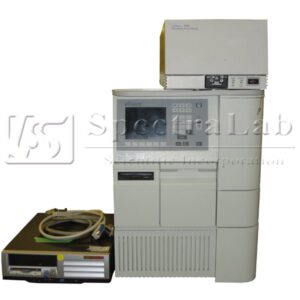
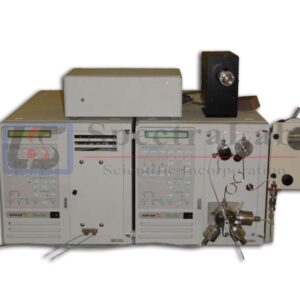
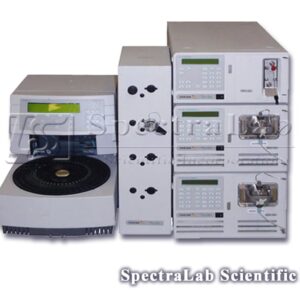
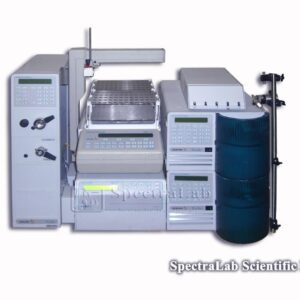
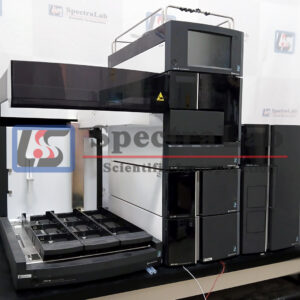
High-Performance Liquid Chromatography with Ultraviolet Detection (HPLC-UV) offers a precise and efficient method for quantifying phenolic antioxidants and erucamide in polypropylene homopolymers. The HPLC system effectively separates these compounds based on polarity and molecular structure, while the UV detector provides sensitive and selective detection at characteristic absorption wavelengths. This technique delivers reliable quantification with minimal sample preparation, ensuring consistency and repeatability. By applying HPLC-UV, laboratories can verify additive concentrations, maintain formulation quality, and support regulatory compliance for polypropylene products.
Featured HPLC-UV
Discover a wide range of lab equipment from top manufacturers at SpectraLab. View all to find more HPLC-UV equipment!
-
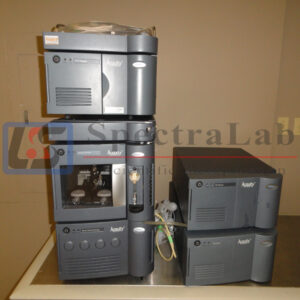
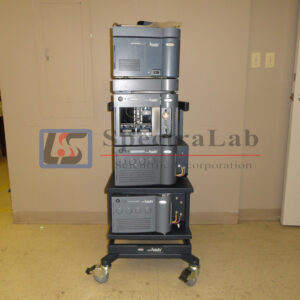
Waters Acquity UPLC System with ACQUITY UPLC TUV Detector, PDA Detector,FLR Detector
Item ID: RefurbishedIn Stock -
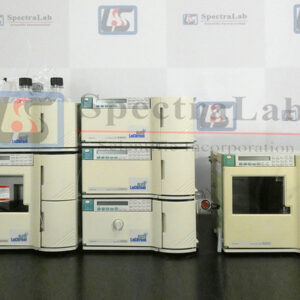
Waters HPLC system with 1525 Binary Pump, 717 Plus Autosampler, 2487 UV/Vis, 474 FLD or 2996 PDA
Item ID: RefurbishedIn StockPrice:$12000 USD
-
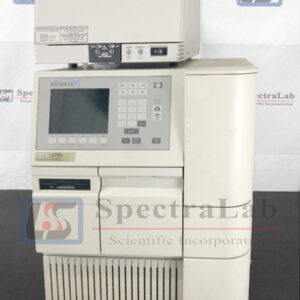
Waters Alliance 2690/2695 HPLC system with Waters 996 PDA
Item ID: RefurbishedIn StockPrice:$12000 USD
-
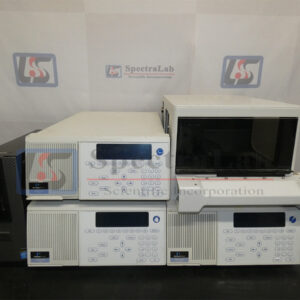
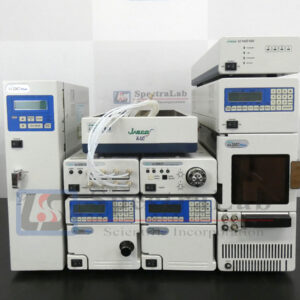
Varian ProStar Prep HPLC System with 345 UV/VIS Detector
Item ID: RefurbishedIn StockPrice:$8500 USD
-
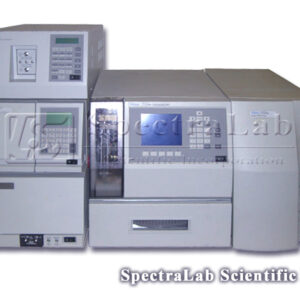
Shimadzu VP Basic Manual HPLC with SPD-10A Uv/Vis Detector and LC-10AD pump
Item ID: RefurbishedIn Stock
-
Jasco LC-2000Plus HPLC System with FP-2020Plus Intelligent Fluorescence Detector
Item ID: RefurbishedIn Stock -
Jasco LC-2000Plus HPLC System with UV-2075Plus Intelligent UV-Vis Detector
Item ID: RefurbishedIn Stock
-
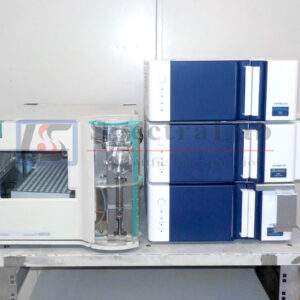
Hitachi Chromaster HPLC System, includes 5430 DAD, 5310 Column Oven, 5160 Pump, and Autosampler
Item ID: RefurbishedOn Backorder
Halocarbons
Overview
Halocarbons, a class of compounds containing carbon bonded to halogen atoms such as chlorine, fluorine, or bromine, are widely used as refrigerants, propellants, solvents, and intermediates in chemical manufacturing. Due to their volatility and environmental impact—particularly their role in ozone depletion and greenhouse gas emissions—accurate identification and quantification of halocarbons are essential. Monitoring their concentration in industrial products and environmental samples ensures safety, quality control, and compliance with environmental regulations.
Test Methods
–
Solutions
Gas Chromatography with Flame Ionization Detection (GC-FID) provides a robust and sensitive method for analyzing halocarbons in various matrices. The GC efficiently separates halocarbon compounds based on their boiling points and polarity, while the FID detects and quantifies them with high accuracy and reproducibility. This technique offers rapid analysis, excellent resolution, and a wide dynamic range, making it ideal for routine monitoring and quality assurance. By using GC-FID, laboratories can ensure reliable detection of halocarbons, support environmental compliance, and maintain product integrity across industrial applications.
Featured GC-FID
Discover a wide range of lab equipment from top manufacturers at SpectraLab. View all to find more GC-FID equipment!
-
Agilent 6890 GC with FID/ECD or NPD, Agilent G1512A Controller and Agilent 6890 Auto Injector
Item ID: RefurbishedIn Stock -
HP 5890 II GC with Dual FIDs, Split/splitless Inlet and Purged Packed Inlet
Item ID: RefurbishedIn Stock
SpectraLab Scientific Inc
Established in 2003,
SpectraLab Scientific is a global leader of Refurbished analytical equipment. We specialize in reconditioning equipment, integrating the best available technologies from leading manufacturers across the industry. We are committed to quality and service, delivering strong customer satisfaction. We stock over 10,000 pre-owned lab equipment, components, and mix-and-match parts for your systems.