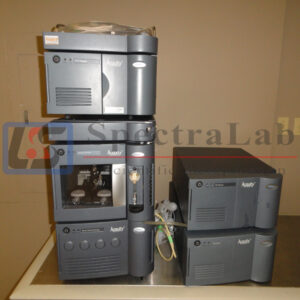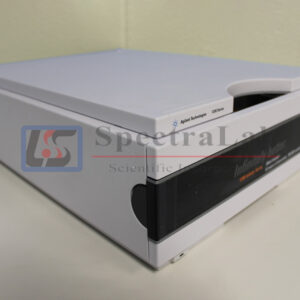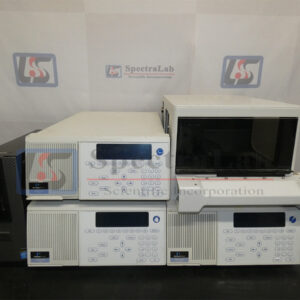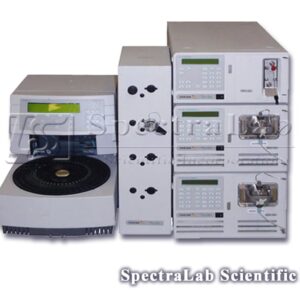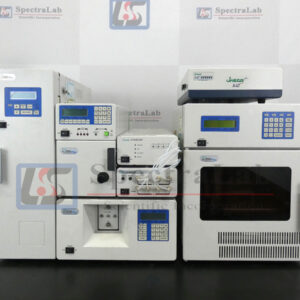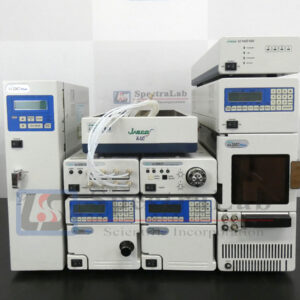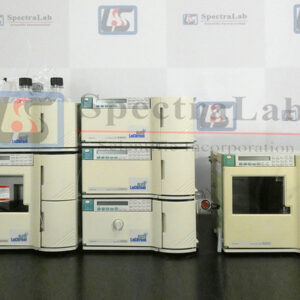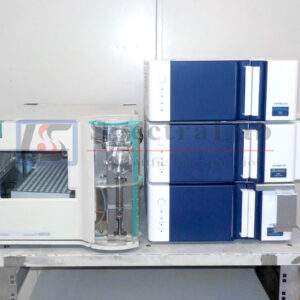

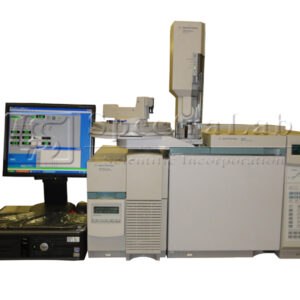
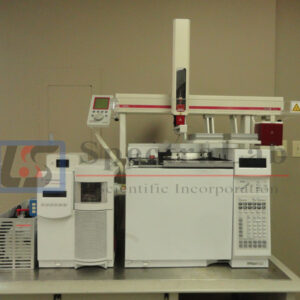
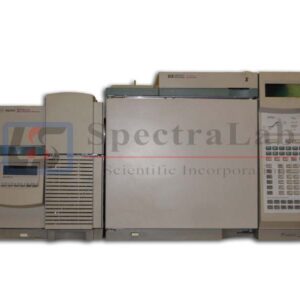
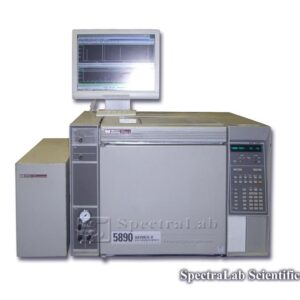
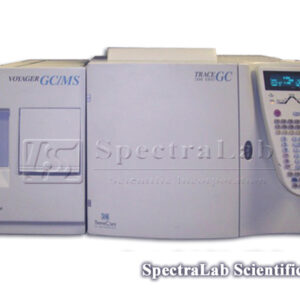
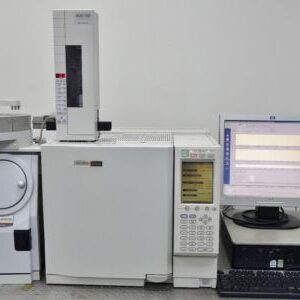
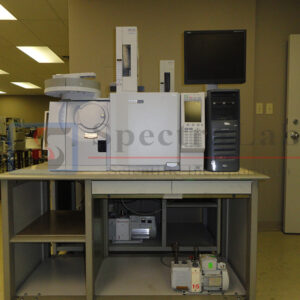
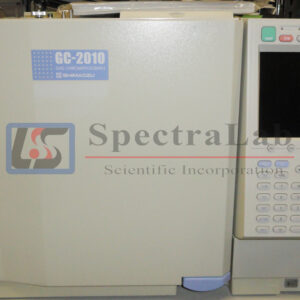
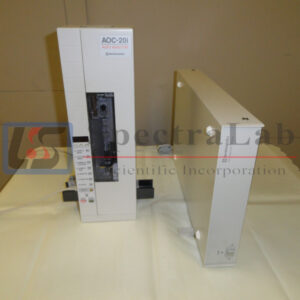
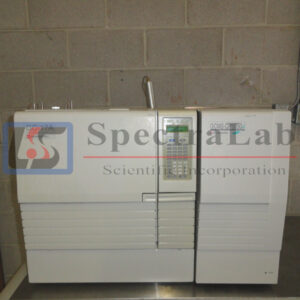
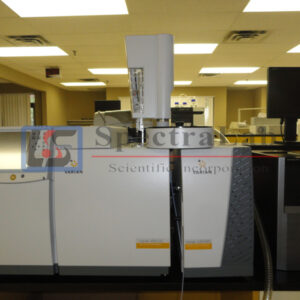
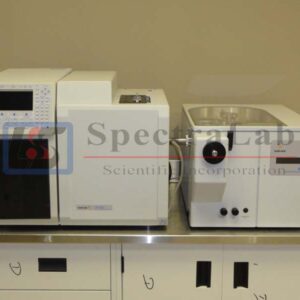
Toxicology / Drug Screening / Forensic
Comprehensive analysis for toxic compounds, drugs, and metabolites supports forensic investigations, clinical testing, and toxicology studies to ensure safety, accuracy, and regulatory compliance.
Aldosterone
Overview
Aldosterone is a steroid hormone produced by the adrenal glands that plays a vital role in regulating blood pressure, sodium, and potassium balance. Abnormal levels of aldosterone can indicate disorders such as primary aldosteronism, adrenal hyperplasia, or Addison’s disease. Because its concentration in biological matrices like plasma or serum is typically very low and can fluctuate throughout the day, precise and sensitive analytical methods are required for accurate quantification. In clinical research and diagnostic testing, measuring aldosterone levels provides valuable insights into adrenal function and endocrine health.
Test Methods
Solutions
Liquid Chromatography–Mass Spectrometry (LC-MS/MS) is the preferred analytical technique for quantifying aldosterone due to its high specificity, accuracy, and low detection limits. The liquid chromatography component efficiently separates aldosterone from complex biological interferences, while the tandem mass spectrometer provides molecular identification and quantification based on unique fragmentation patterns. Compared to immunoassays, LC-MS/MS minimizes cross-reactivity and delivers reproducible, quantitative results suitable for both clinical and research applications. This method ensures precise assessment of hormone levels, supporting reliable diagnosis and monitoring of adrenal and cardiovascular disorders.
Featured HPLC
Discover a wide range of lab equipment from top manufacturers at SpectraLab. View all to find more HPLC equipment!
-
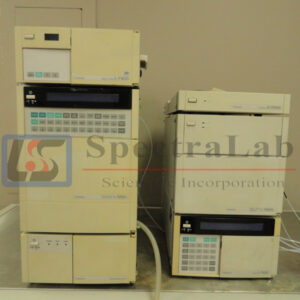
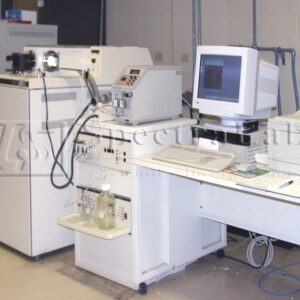
Shimadzu HPLC System with LC-10AD pump, SIL-10AXL Autoinjector and SPD-10A UV/vis Detector
Item ID: RefurbishedIn Stock
Featured LC-MS
Discover a wide range of lab equipment from top manufacturers at SpectraLab. View all to find more LC-MS equipment!
-
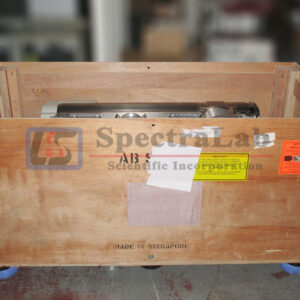
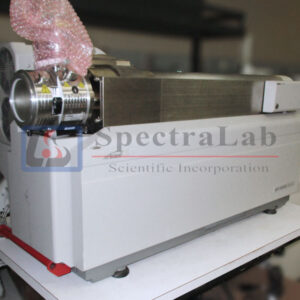
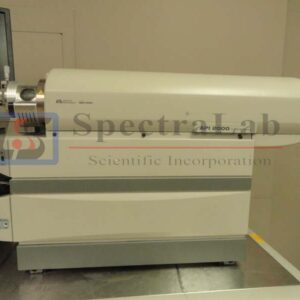
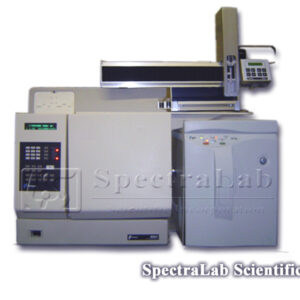
AB Sciex API 3000 LC/MS/MS with Agilent Technologies Turbo V 551 Navigator
Item ID: RefurbishedIn Stock
Acyclovir: Antiviral
Overview
Acyclovir is a widely used antiviral drug effective against herpes simplex and varicella-zoster viruses. It functions by inhibiting viral DNA polymerase, preventing the replication of viral genetic material. As a critical pharmaceutical compound, acyclovir is commonly analyzed for purity, potency, and stability during drug formulation and quality control. Due to its importance in therapeutic applications, accurate quantification is essential for ensuring consistent dosage and efficacy in both raw materials and finished products.
Test Methods
Solutions
High-Performance Liquid Chromatography (HPLC) is a reliable and widely adopted method for the analysis of acyclovir in pharmaceutical formulations and biological samples. Using UV detection, HPLC allows precise measurement of acyclovir concentration, separation from impurities, and monitoring of degradation products under various stress conditions. The technique offers excellent reproducibility, sensitivity, and linearity, meeting regulatory requirements for quality assurance and stability testing. HPLC analysis ensures that acyclovir products meet stringent purity standards and deliver consistent antiviral effectiveness.
Featured HPLC
Discover a wide range of lab equipment from top manufacturers at SpectraLab. View all to find more HPLC equipment!
-
Shimadzu HPLC System with LC-10AD pump, SIL-10AXL Autoinjector and SPD-10A UV/vis Detector
Item ID: RefurbishedIn Stock
Azide in Air
Overview
Azide compounds, such as sodium azide, are widely used in laboratories, manufacturing, and airbag systems, but they pose significant health and environmental risks when present in air. Exposure to azide vapors or particulates can lead to toxic effects on the respiratory and cardiovascular systems. Monitoring azide levels in air is therefore essential for ensuring occupational safety and environmental compliance. Accurate detection and quantification help identify potential contamination sources and maintain safe working conditions in industrial and laboratory settings.
Test Methods
Solutions
High-Performance Liquid Chromatography (HPLC) is an effective and sensitive method for analyzing azide in air samples. Typically, air is collected using impingers or filters and extracted into an aqueous medium for analysis. Using ion-pair or reverse-phase HPLC with UV or conductivity detection, azide ions can be precisely separated and quantified, even at trace levels. The technique offers excellent reproducibility, selectivity, and low detection limits, making it ideal for regulatory air monitoring and workplace exposure assessments. HPLC provides reliable data to support compliance with occupational health and safety standards.
Featured HPLC
Discover a wide range of lab equipment from top manufacturers at SpectraLab. View all to find more HPLC equipment!
-
Shimadzu HPLC System with LC-10AD pump, SIL-10AXL Autoinjector and SPD-10A UV/vis Detector
Item ID: RefurbishedIn Stock
Amoxicillin – USP method
Overview
Amoxicillin is a broad-spectrum β-lactam antibiotic widely used to treat bacterial infections of the respiratory tract, urinary tract, skin, and ear. Ensuring the quality and potency of amoxicillin is critical, as degradation or contamination can reduce therapeutic effectiveness and contribute to antibiotic resistance. Routine testing of amoxicillin in raw materials and finished pharmaceutical products helps verify compliance with pharmacopeial standards, ensuring consistent dosage accuracy and patient safety.
Test Methods
Solutions
The United States Pharmacopeia (USP) method for amoxicillin analysis by High-Performance Liquid Chromatography (HPLC) provides a validated and standardized approach for assessing drug purity, potency, and stability. The method typically employs a reversed-phase C18 column with a phosphate buffer and methanol mobile phase, using UV detection at around 254 nm. HPLC allows clear separation of amoxicillin from its degradation products and impurities, ensuring precise quantification and quality assurance. This technique supports pharmaceutical manufacturers and quality control laboratories in maintaining USP compliance and ensuring reliable antibiotic performance.
Featured HPLC
Discover a wide range of lab equipment from top manufacturers at SpectraLab. View all to find more HPLC equipment!
-
Shimadzu HPLC System with LC-10AD pump, SIL-10AXL Autoinjector and SPD-10A UV/vis Detector
Item ID: RefurbishedIn Stock
Biogenic Amines
Overview
Biogenic amines are organic nitrogen compounds formed by the decarboxylation of amino acids and play critical roles in biological processes such as neurotransmission, cellular signaling, and metabolism. Common examples include histamine, serotonin, dopamine, and tyramine. While essential in controlled amounts, elevated levels of biogenic amines can indicate spoilage in food or imbalance in physiological systems. Accurate analysis of these compounds is therefore vital in both clinical diagnostics and food quality monitoring to assess safety, freshness, and health status.
Test Methods
Solutions
Liquid Chromatography–Mass Spectrometry (LC-MS) is a highly sensitive and selective technique for the detection and quantification of biogenic amines in complex matrices. The liquid chromatography component effectively separates structurally similar amines, while the mass spectrometer provides molecular identification and quantification based on precise mass-to-charge ratios. LC-MS enables simultaneous multi-analyte detection with low detection limits, minimal interference, and excellent reproducibility. This advanced analytical approach supports applications in food safety, clinical research, and metabolomics by providing accurate profiling of biogenic amine concentrations.
Featured LC-MS
Discover a wide range of lab equipment from top manufacturers at SpectraLab. View all to find more LC-MS equipment!
-
AB Sciex API 3000 LC/MS/MS with Agilent Technologies Turbo V 551 Navigator
Item ID: RefurbishedIn Stock
Benzodiazepines
Overview
Benzodiazepines are a class of psychoactive compounds widely prescribed for their sedative, anxiolytic, and anticonvulsant properties. Common examples include diazepam, lorazepam, and alprazolam. Because of their therapeutic importance and potential for misuse, accurate detection and quantification are essential in clinical, forensic, and toxicological settings. Monitoring benzodiazepine levels in biological samples such as blood, urine, or plasma helps assess drug compliance, identify abuse, and support legal or medical investigations.
Test Methods
Solutions
Liquid Chromatography–Tandem Mass Spectrometry (LC-MS/MS) is the preferred analytical technique for benzodiazepine analysis due to its superior sensitivity, specificity, and quantitative precision. The liquid chromatography step efficiently separates multiple benzodiazepine analogs and metabolites, while the tandem mass spectrometer detects and quantifies them based on unique fragmentation patterns. This method allows for simultaneous multi-drug screening, even at trace concentrations, with minimal sample preparation. LC-MS/MS provides rapid, reliable, and reproducible results, making it the gold standard for benzodiazepine detection in both clinical diagnostics and forensic toxicology.
Featured HPLC
Discover a wide range of lab equipment from top manufacturers at SpectraLab. View all to find more HPLC equipment!
-
Shimadzu HPLC System with LC-10AD pump, SIL-10AXL Autoinjector and SPD-10A UV/vis Detector
Item ID: RefurbishedIn Stock
Featured LC-MS
Discover a wide range of lab equipment from top manufacturers at SpectraLab. View all to find more LC-MS equipment!
-
AB Sciex API 3000 LC/MS/MS with Agilent Technologies Turbo V 551 Navigator
Item ID: RefurbishedIn Stock
Cannabinoid Metabolites
Overview
Cannabinoid metabolites are the biotransformation products of active cannabinoids such as THC, CBD, and CBN, formed primarily in the liver after consumption. These metabolites, including THC-COOH and 11-OH-THC, are key biomarkers used to assess cannabis exposure, metabolism, and clearance in biological systems. Measuring cannabinoid metabolites is essential for clinical research, forensic toxicology, workplace drug testing, and pharmacokinetic studies to evaluate both recent and past cannabis use with high specificity.
Test Methods
–
Solutions
Liquid Chromatography–Mass Spectrometry (LC-MS) offers a highly sensitive and selective platform for analyzing cannabinoid metabolites in complex biological matrices such as blood, urine, and saliva. The LC component separates structurally similar metabolites, while mass spectrometry enables precise identification and quantification based on mass-to-charge ratios. LC-MS provides superior accuracy, low detection limits, and the ability to differentiate between active cannabinoids and their metabolites. This method ensures reliable and reproducible data, supporting regulatory compliance, clinical interpretation, and advanced research in cannabinoid pharmacology and toxicology.
Featured LC-MS
Discover a wide range of lab equipment from top manufacturers at SpectraLab. View all to find more LC-MS equipment!
-
AB Sciex API 3000 LC/MS/MS with Agilent Technologies Turbo V 551 Navigator
Item ID: RefurbishedIn Stock
Fluoroquinolones
Overview
Fluoroquinolones—such as ofloxacin, norfloxacin, and ciprofloxacin—are broad-spectrum antibiotics used to treat a wide range of bacterial infections. They function by inhibiting bacterial DNA gyrase and topoisomerase IV, enzymes essential for DNA replication. Due to their widespread use in human and veterinary medicine, monitoring fluoroquinolones is crucial not only for ensuring pharmaceutical quality and therapeutic efficacy but also for detecting residues in food, environmental, and wastewater samples, where antibiotic persistence can contribute to antimicrobial resistance.
Test Methods
Solutions
Liquid Chromatography–Mass Spectrometry (LC-MS) provides a highly accurate and sensitive approach for the detection and quantification of fluoroquinolones across diverse matrices. The chromatographic separation allows clear resolution of structurally similar compounds and metabolites, while mass spectrometry offers molecular-level identification based on unique fragmentation patterns. LC-MS enables simultaneous multi-analyte detection with excellent precision and low detection limits, making it ideal for both regulatory compliance testing and environmental monitoring. This technique ensures reliable quantification of fluoroquinolones to support public health, pharmaceutical quality assurance, and antimicrobial stewardship efforts.
Featured HPLC
Discover a wide range of lab equipment from top manufacturers at SpectraLab. View all to find more HPLC equipment!
-
Shimadzu HPLC System with LC-10AD pump, SIL-10AXL Autoinjector and SPD-10A UV/vis Detector
Item ID: RefurbishedIn Stock
Featured LC-MS-MS
Discover a wide range of lab equipment from top manufacturers at SpectraLab. View all to find more LC equipment!
-
AB Sciex API 3000 LC/MS/MS System with Turbo Ionspray, & Turbo V Ion Source
Item ID: RefurbishedIn Stock -
AB Sciex 2000 QTRAP LC/MS/MS with Nano Spray Probe (Video Cameras) and LC Packings Nano HPLC
Item ID: RefurbishedIn Stock
Fumonisin B1
Overview
Fumonisin B1 is a mycotoxin produced primarily by Fusarium species that contaminate maize and other grains. It is known for its hepatotoxic, nephrotoxic, and carcinogenic effects, posing significant health risks to humans and livestock. Regulatory agencies worldwide have set strict limits on fumonisin levels in food and feed products to ensure consumer safety. Accurate quantification of Fumonisin B1 is therefore essential for routine monitoring, food quality control, and compliance with international safety standards.
Test Methods
Solutions
High-Performance Liquid Chromatography (HPLC) is a widely adopted and validated technique for the determination of Fumonisin B1 in agricultural and food samples. The method typically involves sample extraction, derivatization with o-phthaldialdehyde (OPA) to enhance fluorescence detection, and chromatographic separation using a reversed-phase C18 column. HPLC offers high sensitivity, reproducibility, and selectivity, allowing precise quantification of trace levels of fumonisin. This technique supports food safety laboratories and regulatory testing programs by providing reliable data for contamination assessment and ensuring products meet established safety limits.
Featured HPLC
Discover a wide range of lab equipment from top manufacturers at SpectraLab. View all to find more HPLC equipment!
-
Shimadzu HPLC System with LC-10AD pump, SIL-10AXL Autoinjector and SPD-10A UV/vis Detector
Item ID: RefurbishedIn Stock
Benzene in Hydrocarbon Solvents
Overview
Ibuprofen is a nonsteroidal anti-inflammatory drug (NSAID) widely used for its analgesic, antipyretic, and anti-inflammatory effects. It is one of the most commonly manufactured and prescribed over-the-counter medications worldwide. Ensuring the purity, potency, and stability of ibuprofen is critical for maintaining product safety and therapeutic effectiveness. Routine testing of raw materials and finished formulations helps verify that products meet pharmacopeial quality standards and regulatory requirements.
Test Methods
Solutions
The United States Pharmacopeia (USP) method for ibuprofen analysis by High-Performance Liquid Chromatography (HPLC) provides a standardized and validated approach for assessing drug quality. Typically performed using a reversed-phase C18 column with a mobile phase of aqueous buffer and organic solvent, the method uses UV detection at approximately 220 nm. HPLC effectively separates ibuprofen from its related impurities and degradation products, ensuring accurate quantification and quality control. This USP-compliant technique offers high precision, reproducibility, and reliability for routine pharmaceutical testing and batch release verification.
Featured HPLC
Discover a wide range of lab equipment from top manufacturers at SpectraLab. View all to find more HPLC equipment!
-
Shimadzu HPLC System with LC-10AD pump, SIL-10AXL Autoinjector and SPD-10A UV/vis Detector
Item ID: RefurbishedIn Stock
Ignitable Liquid Residues in Extracts
Overview
The analysis of ignitable liquid residues in fire debris is a crucial aspect of forensic investigations used to determine whether an accelerant was involved in a fire. These residues, which may include gasoline, kerosene, diesel, or other volatile hydrocarbons, can provide valuable evidence regarding the origin and cause of a fire. However, interpreting fire debris is challenging due to partial combustion, weathering, and complex sample matrices that can mask the presence of ignitable liquids. Reliable analytical techniques are therefore essential for accurate identification and classification of these compounds in forensic laboratories.
Test Methods
Solutions
The Standard Test Method for Ignitable Liquid Residues in Extracts from Fire Debris Samples by Gas Chromatography–Mass Spectrometry (GC-MS) provides a validated and widely accepted protocol for forensic analysis. In this method, samples are typically extracted using passive headspace concentration or solvent extraction prior to GC-MS analysis. Gas chromatography separates the complex mixture of volatile and semi-volatile compounds, while mass spectrometry identifies characteristic ion fragments corresponding to different classes of ignitable liquids—such as gasoline, isoparaffinic, naphthenic, or aromatic products. This approach delivers high sensitivity, selectivity, and reproducibility, enabling forensic analysts to confidently detect and classify ignitable liquid residues in compliance with ASTM E1618 and related standards.
Featured GC
Discover a wide range of lab equipment from top manufacturers at SpectraLab. View all to find more GC equipment!
-
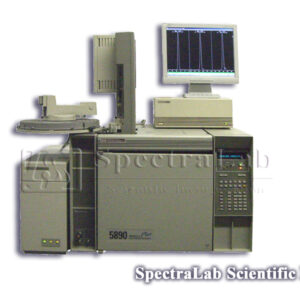
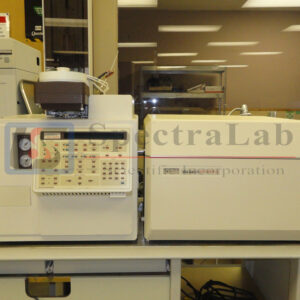
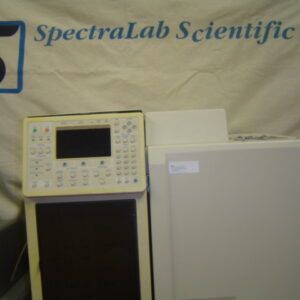
HP 5972 MSD with HP 5890 II GC, HP 7673B Autosampler, Data System and Rough Pump
Item ID: RefurbishedIn Stock
-
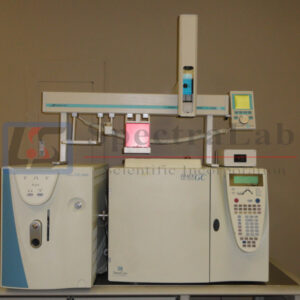
Varian GC CP 3800 without Detetors, Dual SSIs good for Varian Saturn MSD
Item ID: RefurbishedSold Out
Illicit Drugs and Their Metabolites in Human Fluid
Overview
Quantitative testing for multiple classes of illicit drugs and their metabolites in human biological fluids—such as urine, blood, or oral fluid—is essential for clinical toxicology, forensic investigations, workplace screening, and rehabilitation monitoring. These drugs often include amphetamines, opioids, benzodiazepines, cannabinoids, and cocaine derivatives. Because concentrations can vary widely and metabolites may co-exist with parent compounds, analytical methods must deliver both high sensitivity and selectivity. Accurate quantification supports reliable interpretation of drug exposure, metabolism, and elimination patterns.
Test Methods
Solutions
Liquid Chromatography–Tandem Mass Spectrometry (LC-MS/MS) is the preferred technique for simultaneous detection and quantification of multiple illicit drugs and their primary metabolites in complex biological matrices. The LC component efficiently separates analytes with overlapping chemical structures, while tandem mass spectrometry provides compound-specific ion transitions for precise identification and quantitation. This method offers exceptional sensitivity, low detection limits, and wide dynamic range—ideal for trace-level analysis. LC-MS/MS ensures accurate, reproducible, and legally defensible results, supporting comprehensive toxicological assessments and compliance with forensic and clinical testing standards.
Featured HPLC
Discover a wide range of lab equipment from top manufacturers at SpectraLab. View all to find more HPLC equipment!
-
Shimadzu HPLC System with LC-10AD pump, SIL-10AXL Autoinjector and SPD-10A UV/vis Detector
Item ID: RefurbishedIn Stock
Featured LC-MS-MS
Discover a wide range of lab equipment from top manufacturers at SpectraLab. View all to find more LC equipment!
-
AB Sciex API 3000 LC/MS/MS System with Turbo Ionspray, & Turbo V Ion Source
Item ID: RefurbishedIn Stock -
AB Sciex 2000 QTRAP LC/MS/MS with Nano Spray Probe (Video Cameras) and LC Packings Nano HPLC
Item ID: RefurbishedIn Stock
Naproxen Tablets
Overview
Naproxen is a nonsteroidal anti-inflammatory drug (NSAID) widely used to relieve pain, inflammation, and fever associated with conditions such as arthritis, tendinitis, and menstrual cramps. As a commonly prescribed oral medication, maintaining consistent quality and potency of naproxen tablets is essential for therapeutic safety and efficacy. Accurate analysis ensures that each dosage unit meets pharmacopeial standards for active ingredient content, uniformity, and stability throughout its shelf life.
Solutions
High-Performance Liquid Chromatography (HPLC) is a validated and reliable technique for the quantitative determination of naproxen in tablet formulations. Using a reversed-phase C18 column and UV detection—typically at around 230 nm—the method provides excellent resolution of naproxen from its impurities and degradation products. HPLC offers high precision, linearity, and reproducibility, making it ideal for routine quality control, assay determination, and dissolution testing. This approach ensures compliance with regulatory standards and guarantees consistent product performance in pharmaceutical manufacturing.
Featured HPLC
Discover a wide range of lab equipment from top manufacturers at SpectraLab. View all to find more HPLC equipment!
-
Shimadzu HPLC System with LC-10AD pump, SIL-10AXL Autoinjector and SPD-10A UV/vis Detector
Item ID: RefurbishedIn Stock
Oligonucleotides
Overview
Oligonucleotides are short strands of nucleic acids—DNA or RNA—used in genetic research, molecular diagnostics, and therapeutic development. As biopharmaceuticals, their purity, sequence integrity, and concentration are critical quality attributes that directly affect performance and safety. During synthesis and purification, impurities such as truncated sequences, protecting groups, or degradation products can occur, making precise analytical characterization essential for process optimization and regulatory compliance.Benzene is an aromatic hydrocarbon commonly found in spark-ignition engine fuels such as gasoline. While it contributes to fuel’s octane rating, benzene is also a known carcinogen and poses environmental and health risks. Because of this, regulatory agencies strictly limit its concentration in fuels. Accurate determination of benzene levels is therefore essential to ensure compliance with fuel quality standards, protect public health, and minimize harmful emissions during fuel combustion.
Test Methods
ASTM D6277-07
Solutions
High-Performance Liquid Chromatography with Ultraviolet detection (HPLC-UV) is a powerful and widely applied technique for analyzing oligonucleotides. Using ion-pair reverse-phase or anion-exchange columns, HPLC efficiently separates oligonucleotides based on length, charge, or hydrophobicity. UV detection, typically at 260 nm, enables accurate quantification of nucleic acid content due to the strong absorbance of nucleobases. This method provides high resolution, reproducibility, and sensitivity, making it ideal for quality control, purity assessment, and process validation in oligonucleotide manufacturing and research laboratories.
Featured HPLC-UV
Discover a wide range of lab equipment from top manufacturers at SpectraLab. View all to find more HPLC-UV equipment!
-
Waters Acquity UPLC System with ACQUITY UPLC TUV Detector, PDA Detector,FLR Detector
Item ID: RefurbishedIn Stock -
Waters HPLC system with 1525 Binary Pump, 717 Plus Autosampler, 2487 UV/Vis, 474 FLD or 2996 PDA
Item ID: RefurbishedIn StockPrice:$12000 USD
-
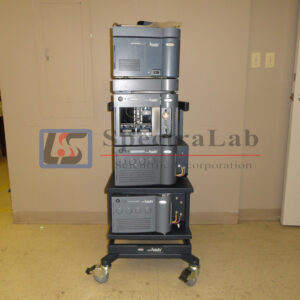
Waters Alliance 2690/2695 HPLC system with Waters 996 PDA
Item ID: RefurbishedIn StockPrice:$12000 USD
-
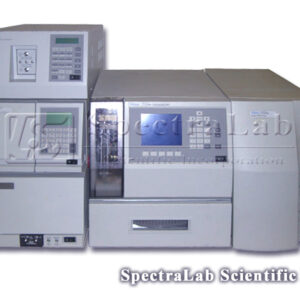
Varian ProStar Prep HPLC System with 345 UV/VIS Detector
Item ID: RefurbishedIn StockPrice:$8500 USD
-
Shimadzu VP Basic Manual HPLC with SPD-10A Uv/Vis Detector and LC-10AD pump
Item ID: RefurbishedIn Stock
-
Jasco LC-2000Plus HPLC System with FP-2020Plus Intelligent Fluorescence Detector
Item ID: RefurbishedIn Stock -
Jasco LC-2000Plus HPLC System with UV-2075Plus Intelligent UV-Vis Detector
Item ID: RefurbishedIn Stock
-
Hitachi Chromaster HPLC System, includes 5430 DAD, 5310 Column Oven, 5160 Pump, and Autosampler
Item ID: RefurbishedOn Backorder
Opiates
Overview
Opiates, including morphine, codeine, and their semi-synthetic derivatives, are potent analgesic compounds derived from opium. While widely used in pain management, these substances are also subject to misuse and dependence, making their accurate detection and quantification critical in clinical, forensic, and toxicological applications. Analysis of opiates in biological matrices such as blood, urine, or saliva provides valuable information for therapeutic monitoring, compliance testing, and substance abuse investigations.
Test Methods
Solutions
High-Performance Liquid Chromatography coupled with Tandem Mass Spectrometry (HPLC-MS/MS) is a highly sensitive and specific method for the determination of opiates and their metabolites in complex biological samples. The chromatographic system separates structurally similar compounds, while tandem mass spectrometry enables selective detection based on unique ion transitions. This approach allows simultaneous quantification of multiple opiates at trace levels, minimizing matrix interferences and providing robust reproducibility. HPLC-MS/MS is the preferred technique in modern analytical laboratories, supporting regulatory standards, forensic reliability, and clinical accuracy in opiate testing.
Featured HPLC
Discover a wide range of lab equipment from top manufacturers at SpectraLab. View all to find more HPLC equipment!
-
Shimadzu HPLC System with LC-10AD pump, SIL-10AXL Autoinjector and SPD-10A UV/vis Detector
Item ID: RefurbishedIn Stock
Featured LC-MS-MS
Discover a wide range of lab equipment from top manufacturers at SpectraLab. View all to find more LC equipment!
-
AB Sciex API 3000 LC/MS/MS System with Turbo Ionspray, & Turbo V Ion Source
Item ID: RefurbishedIn Stock -
AB Sciex 2000 QTRAP LC/MS/MS with Nano Spray Probe (Video Cameras) and LC Packings Nano HPLC
Item ID: RefurbishedIn Stock
Standard Guide for Forensic Analysis
Overview
The forensic analysis of fibers plays a crucial role in criminal investigations, helping to establish associations between suspects, victims, and crime scenes. Fibers—whether natural, synthetic, or blended—can provide trace evidence that supports or refutes investigative hypotheses. Identifying the polymer composition, dye, and structural characteristics of fibers requires precise analytical methods capable of distinguishing materials with similar visual appearances. Infrared spectroscopy is particularly valuable in this context for its ability to reveal the chemical fingerprint of fiber materials quickly and non-destructively.
Test Methods
ASTM E2224-10
Solutions
The Standard Guide for Forensic Analysis of Fibers by Infrared Spectroscopy outlines the recommended procedures and best practices for identifying and comparing fibers using Fourier Transform Infrared (FTIR) spectroscopy. In this method, fibers are typically analyzed in transmission, reflectance, or attenuated total reflectance (ATR) modes to obtain characteristic absorption spectra of their polymeric and dye components. These spectra are then compared against reference libraries to determine fiber type and composition. Infrared spectroscopy offers high specificity, minimal sample preparation, and preservation of evidence integrity—making it an essential, reliable tool in forensic laboratories for fiber identification, classification, and evidentiary comparison.
Steroids
Overview
Steroids are a diverse class of biologically active compounds that include hormones such as testosterone, estradiol, cortisol, and cholesterol. They play vital roles in metabolism, immune response, and reproductive function. In pharmaceutical, clinical, and sports testing environments, accurate quantification of steroids is essential for quality control, therapeutic monitoring, and the detection of performance-enhancing substances. Because steroids often occur in complex biological or formulation matrices, precise analytical methods are required to separate and quantify them effectively.
Test Methods
–
Solutions
High-Performance Liquid Chromatography with Ultraviolet detection (HPLC-UV) is a well-established and reliable technique for the analysis of steroids in pharmaceutical products and biological samples. The method uses reversed-phase chromatography—commonly with C18 columns—to achieve high-resolution separation of structurally similar steroid compounds. UV detection, typically performed at wavelengths between 240 and 260 nm, provides sensitive and reproducible quantification based on the absorbance characteristics of steroidal rings. HPLC-UV offers excellent linearity, precision, and robustness, making it an ideal choice for routine steroid profiling, stability testing, and quality assurance in research and production laboratories.
Featured HPLC-UV
Discover a wide range of lab equipment from top manufacturers at SpectraLab. View all to find more HPLC-UV equipment!
-
Waters Acquity UPLC System with ACQUITY UPLC TUV Detector, PDA Detector,FLR Detector
Item ID: RefurbishedIn Stock -
Waters HPLC system with 1525 Binary Pump, 717 Plus Autosampler, 2487 UV/Vis, 474 FLD or 2996 PDA
Item ID: RefurbishedIn StockPrice:$12000 USD
-
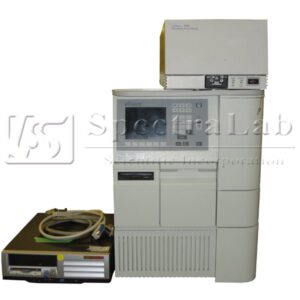
Waters Alliance 2690/2695 HPLC system with Waters 996 PDA
Item ID: RefurbishedIn StockPrice:$12000 USD
-
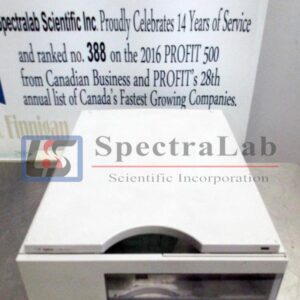
Varian ProStar Prep HPLC System with 345 UV/VIS Detector
Item ID: RefurbishedIn StockPrice:$8500 USD
-
Shimadzu VP Basic Manual HPLC with SPD-10A Uv/Vis Detector and LC-10AD pump
Item ID: RefurbishedIn Stock
-
Jasco LC-2000Plus HPLC System with FP-2020Plus Intelligent Fluorescence Detector
Item ID: RefurbishedIn Stock -
Jasco LC-2000Plus HPLC System with UV-2075Plus Intelligent UV-Vis Detector
Item ID: RefurbishedIn Stock
-
Hitachi Chromaster HPLC System, includes 5430 DAD, 5310 Column Oven, 5160 Pump, and Autosampler
Item ID: RefurbishedOn Backorder
THC and Metabolites
Overview
Cannabinoids and related constituents, including Δ⁹-tetrahydrocannabinol (THC), cannabidiol (CBD), cannabinol (CBN), and their metabolites, are the primary active compounds in cannabis responsible for its pharmacological effects. Accurate analysis of these compounds is essential for regulatory compliance, clinical research, forensic toxicology, and product quality control in both medical and recreational cannabis industries. Because cannabinoids and their metabolites can exist in diverse matrices—such as plant material, edibles, oils, and biological fluids—highly selective and sensitive analytical techniques are required to ensure precise identification and quantification.
Solutions
Liquid Chromatography–Tandem Mass Spectrometry (LC-MS/MS) and Gas Chromatography–Mass Spectrometry (GC-MS) are the leading analytical platforms for cannabinoid analysis. LC-MS/MS is ideal for thermally labile or polar compounds and enables the direct detection of THC, CBD, and their glucuronide metabolites with minimal sample preparation. GC-MS, often used with derivatization, provides excellent separation and robust detection of volatile cannabinoids, including THC and its degradation products. Both techniques offer high sensitivity, specificity, and reproducibility, allowing simultaneous multi-analyte quantification. Together, LC-MS/MS and GC-MS support comprehensive profiling of cannabinoids and their metabolites, ensuring accuracy in potency testing, pharmacokinetic studies, and forensic or clinical investigations.
Featured HPLC
Discover a wide range of lab equipment from top manufacturers at SpectraLab. View all to find more HPLC equipment!
-
Shimadzu HPLC System with LC-10AD pump, SIL-10AXL Autoinjector and SPD-10A UV/vis Detector
Item ID: RefurbishedIn Stock
Featured LC-MS-MS
Discover a wide range of lab equipment from top manufacturers at SpectraLab. View all to find more LC equipment!
-
AB Sciex API 3000 LC/MS/MS System with Turbo Ionspray, & Turbo V Ion Source
Item ID: RefurbishedIn Stock -
AB Sciex 2000 QTRAP LC/MS/MS with Nano Spray Probe (Video Cameras) and LC Packings Nano HPLC
Item ID: RefurbishedIn Stock
Featured GC
Discover a wide range of lab equipment from top manufacturers at SpectraLab. View all to find more GC equipment!
-
HP 5972 MSD with HP 5890 II GC, HP 7673B Autosampler, Data System and Rough Pump
Item ID: RefurbishedIn Stock
-
Varian GC CP 3800 without Detetors, Dual SSIs good for Varian Saturn MSD
Item ID: RefurbishedSold Out
SpectraLab Scientific Inc
Established in 2003,
SpectraLab Scientific is a global leader of Refurbished analytical equipment. We specialize in reconditioning equipment, integrating the best available technologies from leading manufacturers across the industry. We are committed to quality and service, delivering strong customer satisfaction. We stock over 10,000 pre-owned lab equipment, components, and mix-and-match parts for your systems.