Finished Fuels(Gasoline / Aviation / Engine Fuels)
Compositional and performance testing of gasoline, diesel, aviation, and alternative fuels to assess quality, energy content, and combustion efficiency. Analytical methods help ensure fuel stability, safety, and regulatory compliance.
Organics Compounds in Gasoline
Overview
Finished gasoline contains a complex mixture of hydrocarbons and fuel additives that determine combustion efficiency, octane rating, and emission behavior. Among these, oxygenates (such as MTBE, ETBE, TAME, and ethanol) are added to enhance fuel combustion and reduce carbon monoxide emissions, while aromatic hydrocarbons — benzene, toluene, and C8–C12 aromatics— affect energy content, volatility, and toxicity. Monitoring these analytes is critical for product quality, safety, and compliance with environmental regulations such as ASTM D4815 and D5580, which limit aromatic and benzene content in commercial fuels. Accurate quantification ensures that gasoline formulations meet both performance and air-quality standards.
Test Methods
ASTM D5986-96
Solutions
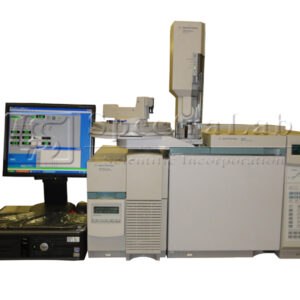
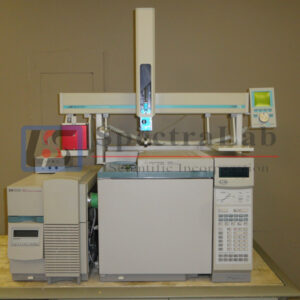
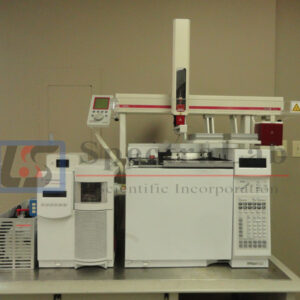
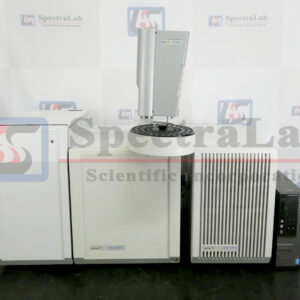
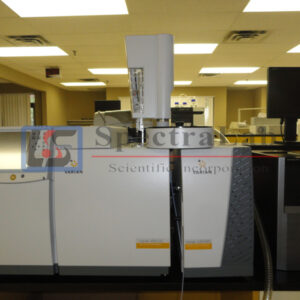
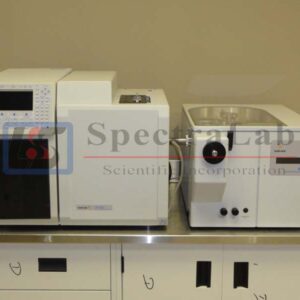
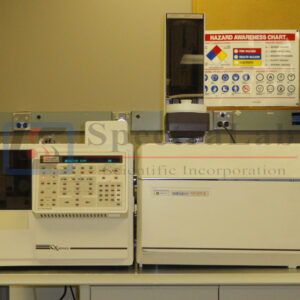
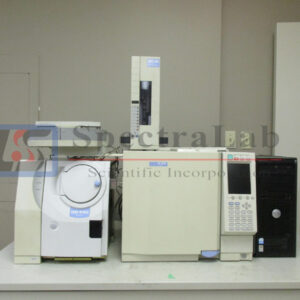
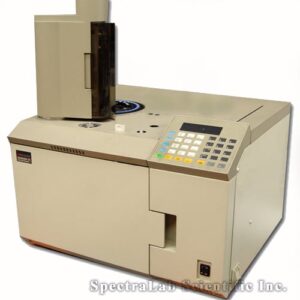
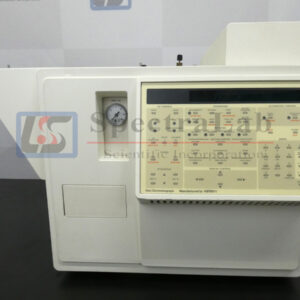
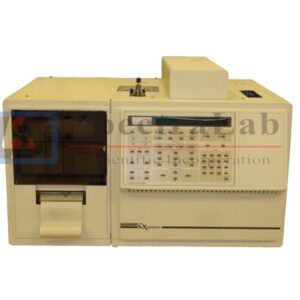
Gas Chromatography with Flame Ionization Detection (GC-FID) is the standard method for separating and quantifying individual oxygenates and aromatic hydrocarbons in finished gasoline. The GC employs a non-polar capillary column under temperature programming to resolve C4–C12 hydrocarbons, while the FID provides sensitive and linear response to carbon content, enabling precise quantification. Benzene, toluene, and higher aromatics are identified through retention time matching with reference standards. Fourier Transform Infrared Spectroscopy (FTIR) complements GC-FID by providing rapid, non-destructive quantification of total aromatics and oxygenates through characteristic absorbance bands. When combined, GC-FID offers compound-specific accuracy while FTIR enables high-throughput screening—together ensuring reliable assessment of fuel composition, blending consistency, and compliance with regulatory and environmental specifications.
Featured GC-FID
Discover a wide range of lab equipment from top manufacturers at SpectraLab. View all to find more GC-FID equipment!
-
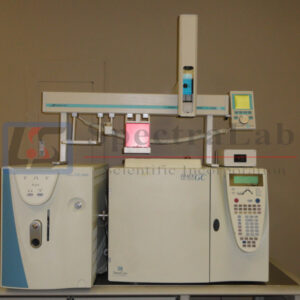
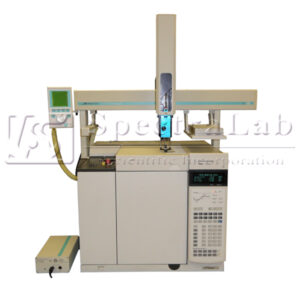
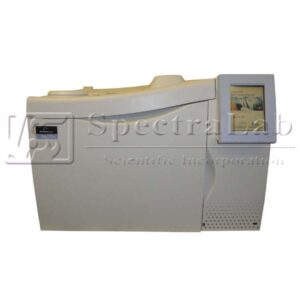
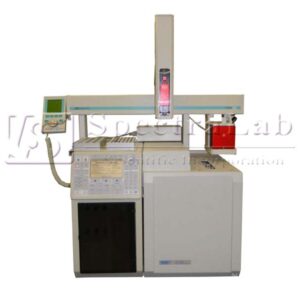
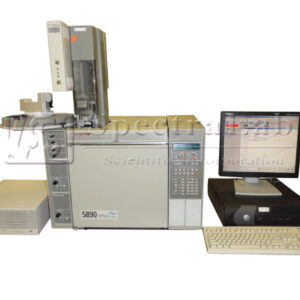
Agilent 6890 GC with FID/ECD or NPD, Agilent G1512A Controller and Agilent 6890 Auto Injector
Item ID: RefurbishedIn Stock -
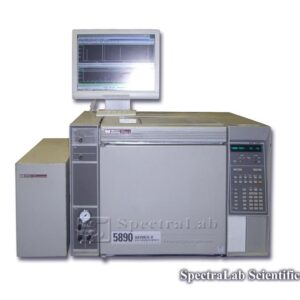
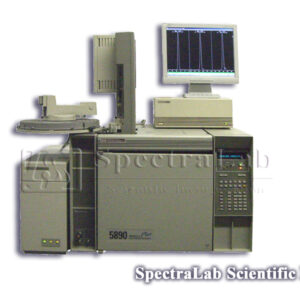
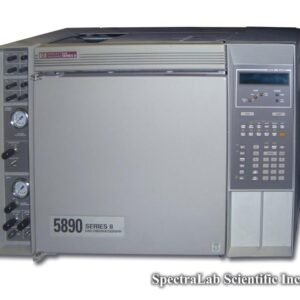
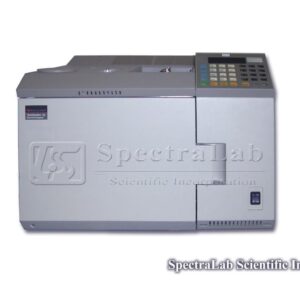
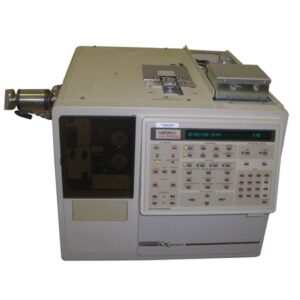
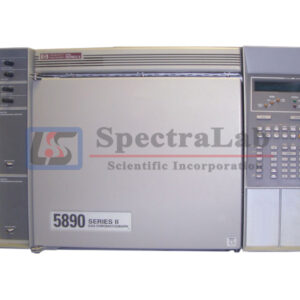
HP 5890 II GC with Dual FIDs, Split/splitless Inlet and Purged Packed Inlet
Item ID: RefurbishedIn Stock
Benzene in Spark-Ignition Engine Fuels
Overview
Benzene is an aromatic hydrocarbon naturally present in gasoline and a known air pollutant regulated due to its toxicity and carcinogenicity. In spark-ignition engine fuels, benzene content must be carefully monitored, as excessive concentrations can increase exhaust emissions and health risks while influencing combustion characteristics and octane performance. Determining benzene levels provides critical information for fuel quality assurance, regulatory compliance (e.g., ASTM D6277, EN 238), and environmental protection. Accurate quantification helps refiners and laboratories ensure that commercial gasoline formulations meet strict limits on benzene concentration, typically below 1% by volume.
Test Methods
ASTM D6277-07
Solutions
Fourier Transform Infrared Spectroscopy (FTIR) offers a rapid, reliable, and non-destructive method for determining benzene concentration in spark-ignition engine fuels. The technique measures characteristic infrared absorbance bands of benzene—particularly in the aromatic C–H stretching and ring vibration regions—without requiring complex sample preparation. Using a transmission or flow-through cell, spectra are collected and analyzed with chemometric calibration models based on reference standards. The FTIR system’s high spectral resolution and sensitivity allow accurate quantification of benzene even in complex fuel matrices. Compared with chromatographic methods, FTIR provides faster analysis, minimal solvent use, and excellent reproducibility—making it ideal for routine quality control, blending verification, and compliance testing in fuel production laboratories.
Featured FTIR
Discover a wide range of lab equipment from top manufacturers at SpectraLab. View all to find more FTIR equipment!
Benzene, Toluene, and Total Aromatics in Gasolines
Overview
Aromatic hydrocarbons such as benzene, toluene, and higher substituted aromatics (C8–C12) are key constituents in finished gasolines that influence octane rating, combustion behavior, and emission characteristics. While toluene and other aromatics improve anti-knock performance, benzene is strictly regulated due to its toxicity and environmental persistence. Determining the concentration of these analytes is critical for quality assurance, formulation control, and compliance with fuel specifications such as ASTM D5769 and EN ISO 22854. Quantitative analysis of individual and total aromatics provides essential insight into product composition, blending consistency, and air-quality impact.
Test Methods
Solutions
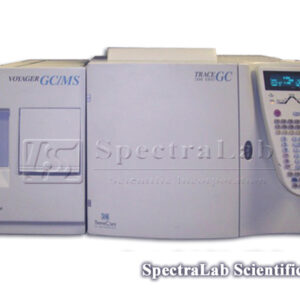
Gas Chromatography coupled with Mass Spectrometry (GC/MS) is a highly sensitive and selective technique for identifying and quantifying benzene, toluene, and total aromatic hydrocarbons in finished gasolines. The GC separates hydrocarbon components by volatility on a non-polar capillary column, while the mass spectrometer detects and identifies each analyte based on its mass-to-charge (m/z) fragmentation pattern. Electron ionization (EI) enables detailed spectral fingerprints for accurate compound identification, even in complex fuel matrices. Calibration with certified reference standards ensures quantitative precision across a wide concentration range. Automated injection systems and temperature programming provide reproducible retention profiles, while data analysis software performs compound matching and total aromatic summation. GC/MS offers superior selectivity compared to FID-only methods, delivering precise aromatic profiles essential for regulatory compliance, fuel formulation optimization, and environmental impact assessment.
Featured GC-MS
Discover a wide range of lab equipment from top manufacturers at SpectraLab. View all to find more GC-MS equipment!
-
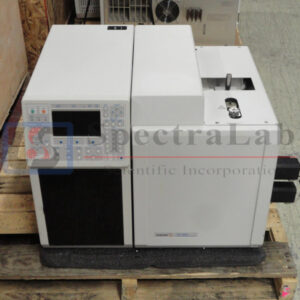
HP 5973 EI/CI MSD G1099A with 6890 Plus GC & CTC Analytics Combi PAL Autosampler
Item ID: RefurbishedIn StockPrice:$25000 USD
-
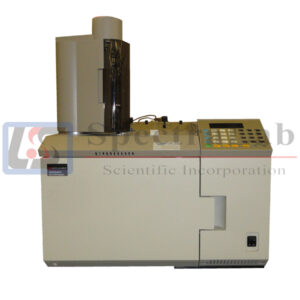
HP 5972 MSD with HP 5890 II GC, HP 7673B Autosampler, Data System and Rough Pump
Item ID: RefurbishedIn Stock
Benzene in Gasoline
Overview
Benzene is an aromatic hydrocarbon naturally present in gasoline and used historically as an octane enhancer. However, due to its toxicity and carcinogenic nature, strict environmental and fuel-quality regulations limit benzene concentration in commercial gasoline to typically below 1% by volume. Accurate quantification of benzene is essential to ensure compliance with international standards such as ASTM D3606, EN 12177, and ISO 22854. Monitoring benzene levels also helps maintain product uniformity, control blending processes, and minimize environmental and health risks associated with vapor emissions.
Solutions
Gas Chromatography with Flame Ionization Detection (GC-FID) is the standard analytical technique for quantitative determination of benzene in gasoline. The GC system separates benzene and related aromatics (toluene, ethylbenzene, xylenes) on a non-polar capillary column under temperature programming. The FID responds proportionally to the number of carbon atoms ionized in the flame, providing linear and highly reproducible quantitative results. Calibration with certified benzene standards establishes a response factor for accurate quantification across the expected concentration range. Headspace or direct liquid injection techniques may be employed depending on sample volatility and precision requirements. The method conforms to ASTM D3606, which specifies column types (e.g., porous polymer or alumina-based stationary phases), carrier gas conditions, and retention-time criteria. GC-FID offers rapid, robust, and repeatable results—making it ideal for refinery laboratories and regulatory testing facilities monitoring benzene content in gasoline.
Featured GC-FID
Discover a wide range of lab equipment from top manufacturers at SpectraLab. View all to find more GC-FID equipment!
Antioxidants in Aviation fuel
Overview
Aviation turbine fuels, such as Jet A and Jet A-1, contain trace quantities of naturally occurring peroxides and hydroperoxides that can promote oxidation during storage and operation. To mitigate this, antioxidants—commonly phenolic compounds such as 2,6-di-tert-butylphenol (DTBP) or 2,6-di-tert-butyl-4-methylphenol (BHT)—are added to stabilize the fuel and prevent gum formation, metal-catalyzed oxidation, and degradation of thermal stability. Monitoring antioxidant concentration ensures the additive is present at effective levels without exceeding specification limits. Accurate determination is essential for quality control, compliance with ASTM D1655 and DEF STAN 91-091 standards, and optimization of storage performance.
Test Methods
Solutions
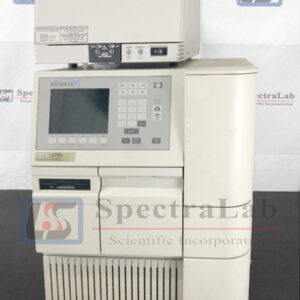
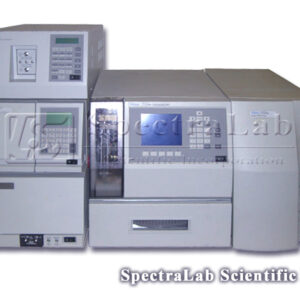
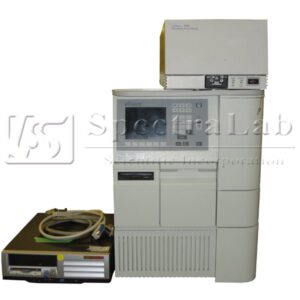
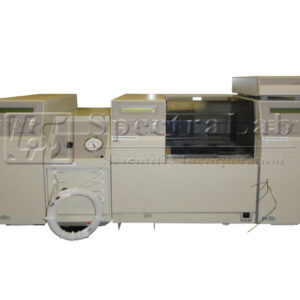
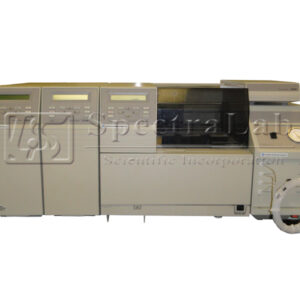
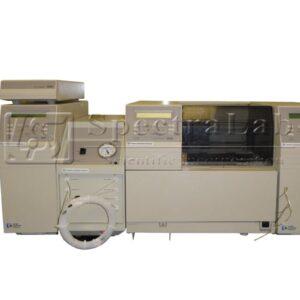
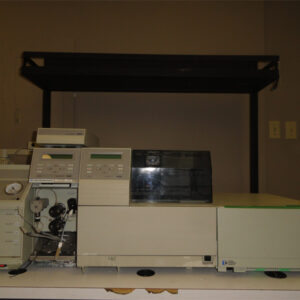
High-Performance Liquid Chromatography with Ultraviolet Detection (HPLC-UV) is a precise and selective technique for quantifying phenolic antioxidants in aviation fuels. Samples are typically diluted in an organic solvent such as n-heptane or isooctane and injected into a reverse-phase C18 column. The mobile phase—often a mixture of methanol and water or acetonitrile—achieves efficient separation of BHT and related phenolic compounds based on polarity differences. The UV detector monitors absorbance at characteristic wavelengths (typically 280 nm) corresponding to aromatic ring transitions. Calibration with certified antioxidant standards enables quantitative determination down to low mg/L levels. The HPLC-UV method provides high accuracy, reproducibility, and minimal sample preparation—making it ideal for verifying additive dosage, ensuring oxidation stability, and maintaining the quality and reliability of aviation fuels.
Featured HPLC-UV
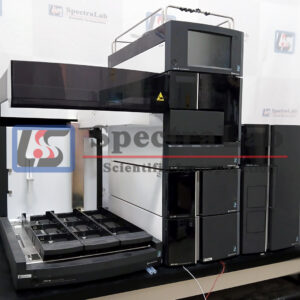
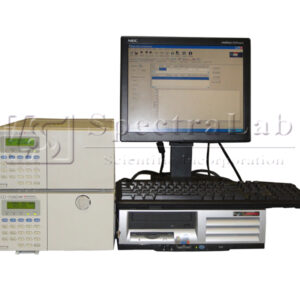
Discover a wide range of lab equipment from top manufacturers at SpectraLab. View all to find more HPLC-UV equipment!
-
Waters Acquity UPLC System with ACQUITY UPLC TUV Detector, PDA Detector,FLR Detector
Item ID: RefurbishedIn Stock -
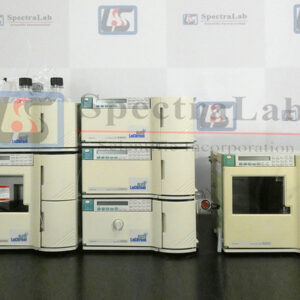
Waters HPLC system with 1525 Binary Pump, 717 Plus Autosampler, 2487 UV/Vis, 474 FLD or 2996 PDA
Item ID: RefurbishedIn StockPrice:$12000 USD
-
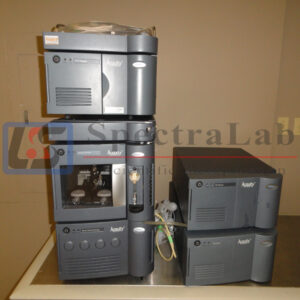
Waters Alliance 2690/2695 HPLC system with Waters 996 PDA
Item ID: RefurbishedIn StockPrice:$12000 USD
-
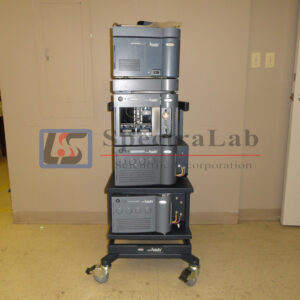
Varian ProStar Prep HPLC System with 345 UV/VIS Detector
Item ID: RefurbishedIn StockPrice:$8500 USD
-
Shimadzu VP Basic Manual HPLC with SPD-10A Uv/Vis Detector and LC-10AD pump
Item ID: RefurbishedIn Stock
-
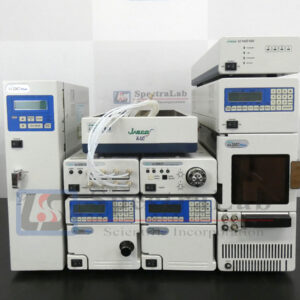
Jasco LC-2000Plus HPLC System with FP-2020Plus Intelligent Fluorescence Detector
Item ID: RefurbishedIn Stock -
Jasco LC-2000Plus HPLC System with UV-2075Plus Intelligent UV-Vis Detector
Item ID: RefurbishedIn Stock
-
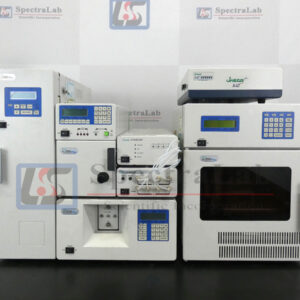
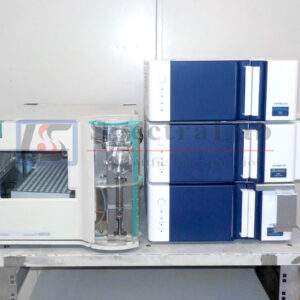
Hitachi Chromaster HPLC System, includes 5430 DAD, 5310 Column Oven, 5160 Pump, and Autosampler
Item ID: RefurbishedOn Backorder
Composition and Tar Content in Gas
Overview
The product gas from a biomass gasifier is a complex mixture of permanent gases (H₂, CO, CO₂, CH₄, N₂) and condensable organic compounds known as “tars.” These analytes directly influence the efficiency, stability, and cleanliness of the gasification process. Permanent gases determine the calorific value and combustion quality of the syngas, while tars—typically aromatic hydrocarbons and oxygenated organics—can cause operational issues such as pipeline fouling and catalyst deactivation. Accurate determination of gas composition and tar content is therefore critical for optimizing gasifier performance, evaluating feedstock conversion efficiency, and ensuring reliable operation in energy and fuel applications.
Test Methods
–
Solutions
Gas Chromatography with Thermal Conductivity Detection (GC-TCD) is a standard and robust technique for analyzing the permanent gas composition of biomass-derived syngas. The TCD detector provides a universal response suitable for H₂, CO, CO₂, CH₄, and N₂ quantification without requiring compound-specific calibration gases. Separation is achieved using packed or micro-packed columns—often molecular sieve for light gases and Porapak Q for CO₂ and hydrocarbons—connected in series or parallel configurations. For tar analysis, condensable species are typically collected on filters or in solvent traps and analyzed separately using GC-FID or GC-MS. GC-TCD’s stability, linearity, and ability to quantify major gas components make it ideal for characterizing gasifier performance, calculating gas yield and efficiency, and supporting process optimization in biomass energy systems.
Featured GC-TCD
Discover a wide range of lab equipment from top manufacturers at SpectraLab. View all to find more GC-TCD equipment!
-
HP 5973 EI/CI MSD G1099A with 6890 Plus GC & CTC Analytics Combi PAL Autosampler
Item ID: RefurbishedIn StockPrice:$25000 USD
-
HP 5972 MSD with HP 5890 II GC, HP 7673B Autosampler, Data System and Rough Pump
Item ID: RefurbishedIn Stock
SpectraLab Scientific Inc
Established in 2003,
SpectraLab Scientific is a global leader of Refurbished analytical equipment. We specialize in reconditioning equipment, integrating the best available technologies from leading manufacturers across the industry. We are committed to quality and service, delivering strong customer satisfaction. We stock over 10,000 pre-owned lab equipment, components, and mix-and-match parts for your systems.