-

-
-
-
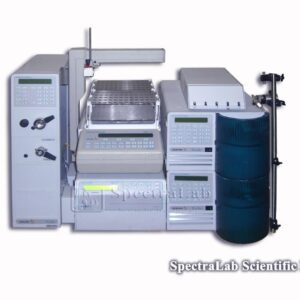
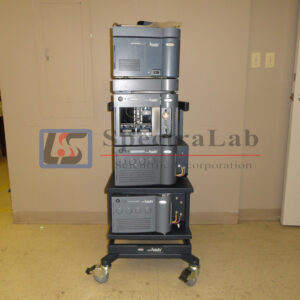
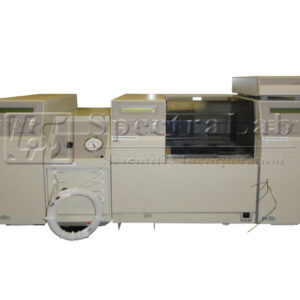
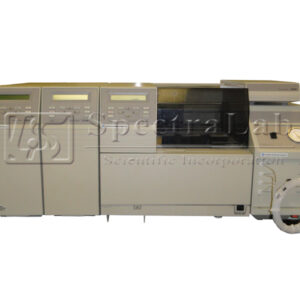
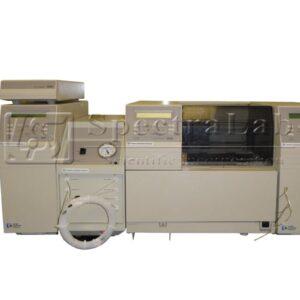
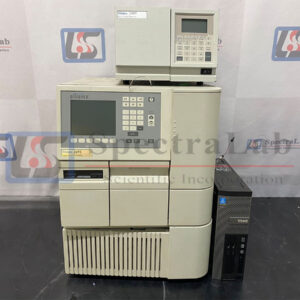
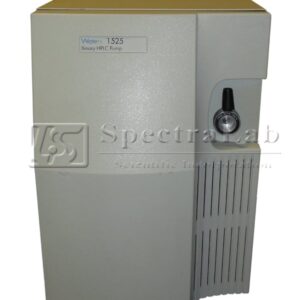
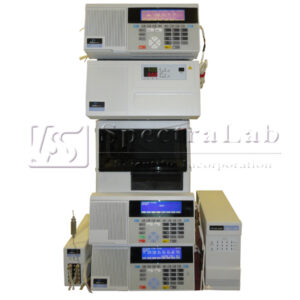
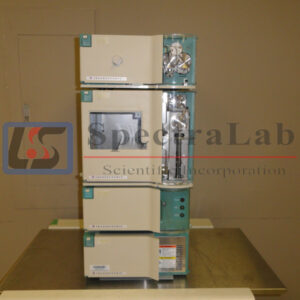
Waters HPLC system with 1525 Binary Pump, 717 Plus Autosampler, 2487 UV/Vis, 474 FLD or 2996 PDA
RefurbishedIn StockPrice:$12000 USD
-

🇺🇸 Spectralab Scientific Expands to the U.S.! 🇺🇸 Dismiss
Measurement of gaseous pollutants, hydrocarbons, and industrial process emissions to track air quality and ensure compliance with environmental regulations.
Chlorophenols are toxic byproducts and intermediates formed during the synthesis or degradation of chlorinated herbicides such as 2,4-D and 2,4,5-T. Their presence in technical or formulated herbicide products is a concern due to their persistence, bioaccumulation, and potential health and environmental hazards. Accurate determination of chlorophenol impurities is essential for assessing product purity, verifying manufacturing quality, and ensuring compliance with environmental and safety regulations.
Gas Chromatography with Electron Capture Detection (GC-ECD) provides a highly sensitive and selective method for the quantification of chlorophenols in herbicide formulations. Samples are typically subjected to derivatization—commonly with acetic anhydride or diazomethane—to improve volatility and chromatographic performance. The derivatized analytes are then separated on a non-polar capillary column under temperature programming, allowing clear resolution of mono-, di-, tri-, and pentachlorophenols. The ECD detector responds strongly to electronegative chlorine atoms, offering excellent detection sensitivity down to trace levels. Calibration with certified chlorophenol standards ensures quantitative accuracy. This GC-ECD approach enables reliable monitoring of chlorophenol impurities in chlorinated herbicides, supporting quality control, product safety, and regulatory compliance.
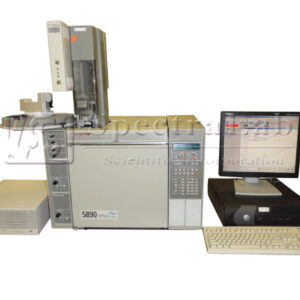
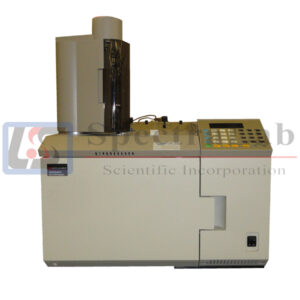
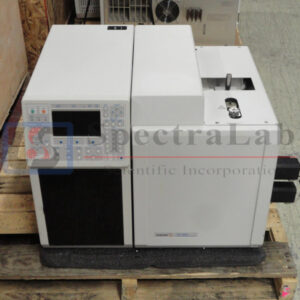
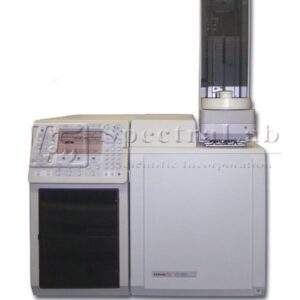
Featured GC-ECD
Discover a wide range of lab equipment from top manufacturers at SpectraLab. View all to find more GC-ECD equipment!
Organohalide pesticides, including organochlorines such as DDT, aldrin, dieldrin, and endosulfan, are persistent organic pollutants widely used in agriculture and pest control. Due to their environmental persistence, bioaccumulation, and toxicity, accurate quantification of these compounds is essential for ensuring food safety, environmental monitoring, and regulatory compliance. Analysis of organohalide residues helps assess contamination levels in soil, water, and agricultural products, supporting sustainable management and public health protection.
Gas Chromatography with Electron Capture Detection (GC-ECD) is the standard method for identifying and quantifying organohalide pesticides due to its exceptional sensitivity toward halogenated compounds. Samples are typically extracted using liquid–liquid extraction or solid-phase extraction (SPE), followed by cleanup on Florisil or silica gel columns to remove matrix interferences. Separation is achieved on a non-polar capillary column, such as 5% phenyl methylpolysiloxane, under optimized temperature programming.
The ECD selectively detects compounds containing chlorine or bromine atoms, enabling detection limits in the low parts-per-trillion range. Calibration with certified pesticide standards ensures accuracy and traceability. This GC-ECD method delivers high sensitivity, selectivity, and reproducibility, making it ideal for routine monitoring of organohalide pesticide residues in environmental and food matrices.
Featured GC-ECD
Discover a wide range of lab equipment from top manufacturers at SpectraLab. View all to find more GC-ECD equipment!
Nitrogen- and phosphorus-containing pesticides, such as organophosphates and carbamates, are widely used in agricultural pest control but pose significant risks to human health and the environment due to their acute toxicity and potential for bioaccumulation. Monitoring these compounds in food, soil, and water is essential for evaluating exposure risks, ensuring regulatory compliance, and maintaining environmental safety. Accurate analysis supports pesticide residue monitoring programs and helps enforce international limits established by EPA, EFSA, and Codex Alimentarius.
Gas Chromatography with Nitrogen–Phosphorus Detection (GC-NPD) provides a highly selective and sensitive method for analyzing nitrogen- and phosphorus-based pesticides. Samples are typically extracted using liquid–liquid or solid-phase extraction techniques and cleaned up with sorbents such as Florisil or silica gel to remove matrix interferences. The analytes are separated on a non-polar or medium-polarity capillary column under temperature programming, while the NPD detector uses a thermionic bead to selectively ionize compounds containing nitrogen or phosphorus atoms. This detection system offers excellent selectivity over hydrocarbon matrices and achieves detection limits in the low ppb range. Calibration with certified reference standards ensures accurate quantification. GC-NPD offers a reliable and cost-effective approach for routine screening and quantification of organophosphate and carbamate pesticide residues in food and environmental samples.
Featured GC-NPD
Discover a wide range of lab equipment from top manufacturers at SpectraLab. View all to find more GC-NPD equipment!
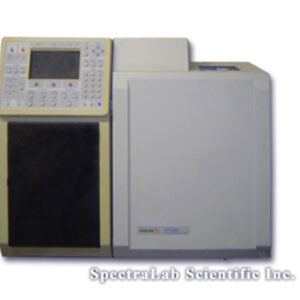
Organonitrogen pesticides, including urea-based, triazine, and carbamate compounds, are extensively used in agriculture to control weeds and pests. However, their persistence and potential for leaching into soil and water systems raise environmental and health concerns. Monitoring these compounds ensures food safety, environmental protection, and compliance with international residue standards. Accurate quantification helps assess degradation behavior, residue persistence, and contamination risk in agricultural and ecological studies.
EPA 633
Gas Chromatography with Flame Ionization Detection (GC-FID) provides a robust and reliable technique for quantifying organonitrogen pesticides in agricultural and environmental samples. After extraction using liquid–liquid or solid-phase extraction (SPE) and appropriate cleanup, samples are introduced into a GC system equipped with a non-polar or mid-polarity capillary column under temperature programming. The FID detector responds proportionally to the carbon content of analytes, enabling accurate quantification of nitrogen-containing pesticide residues such as atrazine, simazine, and propazine. Calibration with certified standards ensures reproducibility and linearity across a wide concentration range. GC-FID offers high precision, stability, and ease of use, making it suitable for routine monitoring of organonitrogen pesticides in food, soil, and water matrices.
Featured GC-FID
Discover a wide range of lab equipment from top manufacturers at SpectraLab. View all to find more GC-FID equipment!
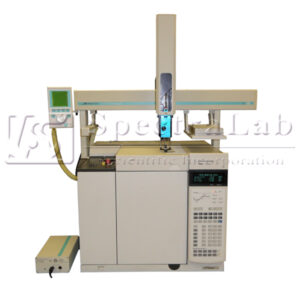
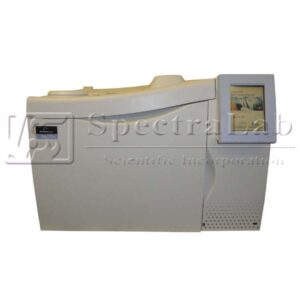
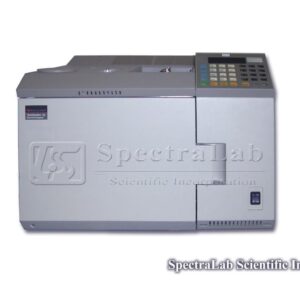
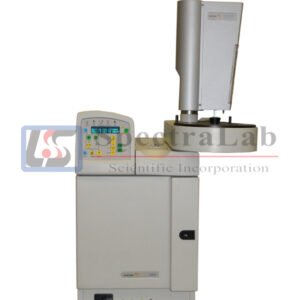
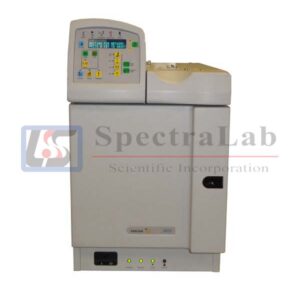
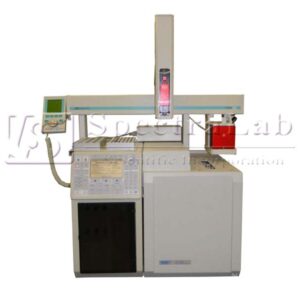
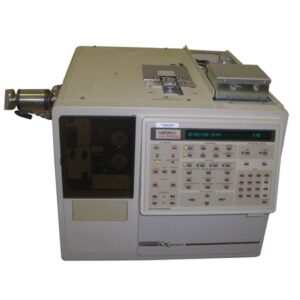
Pentachlorophenol (PCP) is a chlorinated phenolic compound historically used as a pesticide, herbicide, and wood preservative. Due to its persistence, toxicity, and bioaccumulative nature, PCP is now classified as a priority pollutant under environmental regulations such as the U.S. EPA and EU Water Framework Directive. Monitoring PCP levels in soil, water, and industrial effluents is essential for assessing contamination, verifying remediation effectiveness, and ensuring compliance with safety and environmental standards.
–
High-Performance Liquid Chromatography with Ultraviolet Detection (HPLC-UV) provides a reliable and sensitive method for quantifying pentachlorophenol in complex matrices. Samples are typically extracted using liquid–liquid extraction or solid-phase extraction (SPE) with organic solvents such as acetonitrile or methanol. The extract is analyzed using a reverse-phase C18 column with an isocratic or gradient elution of water and acetonitrile or methanol. Detection is performed at wavelengths between 210–280 nm, where PCP exhibits strong UV absorbance. Calibration with certified PCP standards ensures accurate quantification, and method validation confirms linearity, precision, and recovery. The HPLC-UV method provides excellent selectivity, reproducibility, and sensitivity—making it ideal for monitoring pentachlorophenol contamination in environmental, industrial, and regulatory testing applications.
Featured HPLC-UV
Discover a wide range of lab equipment from top manufacturers at SpectraLab. View all to find more HPLC-UV equipment!
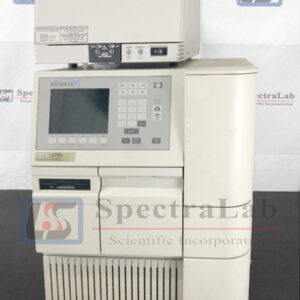
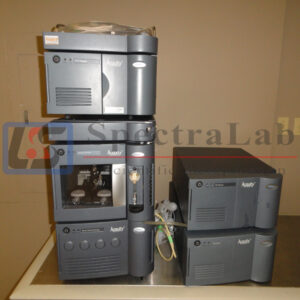
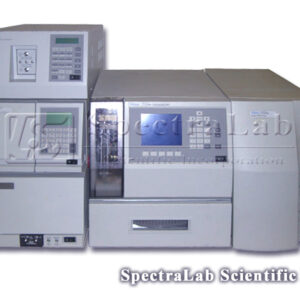
$12000 USD
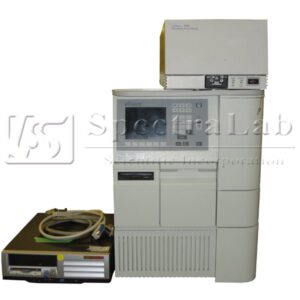
$12000 USD
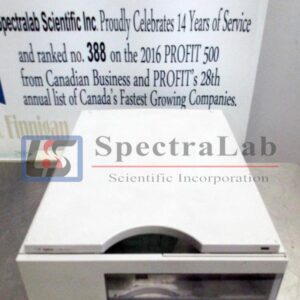
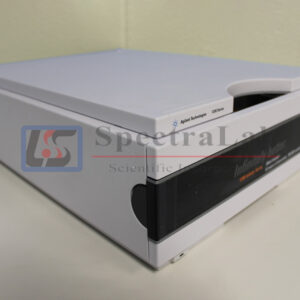
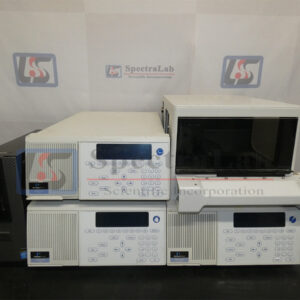
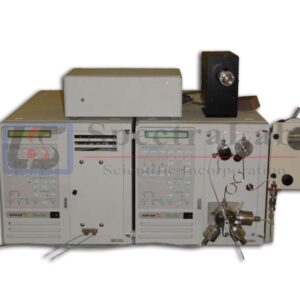
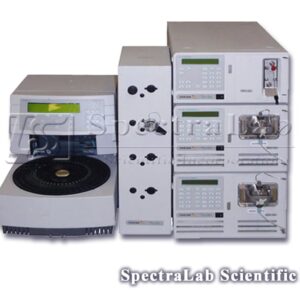
$8500 USD
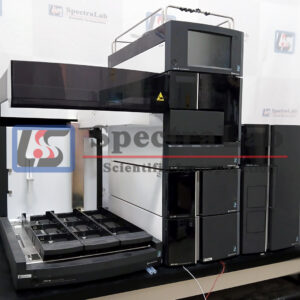
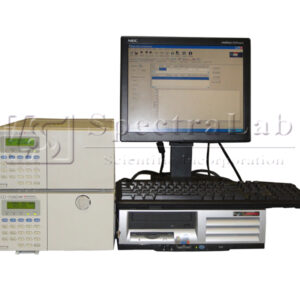
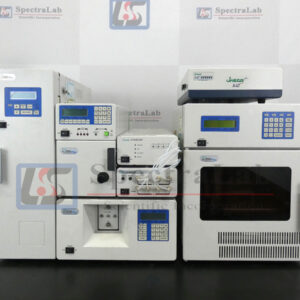
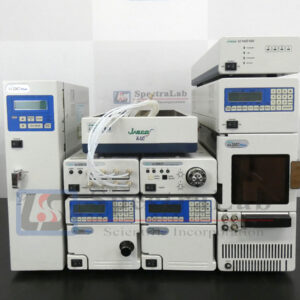
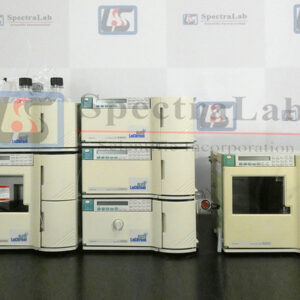
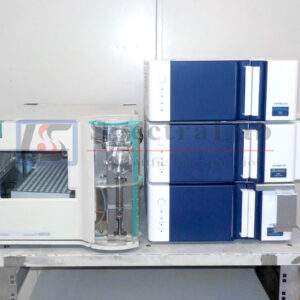
p,p’-DDT (1,1,1-trichloro-2,2-bis(p-chlorophenyl)ethane) is the principal active component in technical-grade DDT formulations, historically used as an insecticide. Although its use is now restricted or banned in many countries due to persistence and bioaccumulation, DDT remains of analytical interest for product verification, quality control, and environmental monitoring. Determining the concentration of p,p’-DDT in technical or formulated products ensures accurate composition, purity assessment, and compliance with regulatory or legacy product specifications.
–
Gas Chromatography with Flame Ionization Detection (GC-FID) provides a precise and reproducible method for quantifying p,p’-DDT in technical and formulated DDT products. The analysis involves dissolving a representative sample in a suitable solvent such as hexane or isooctane, followed by injection into a non-polar capillary column (e.g., 5% phenyl methylpolysiloxane) under temperature-programmed conditions. The GC separates p,p’-DDT from related isomers and impurities, including o,p’-DDT, DDE, and DDD. The FID provides a linear response to carbon mass, enabling accurate quantification based on calibration with certified p,p’-DDT standards. The method ensures excellent precision and recovery, with detection limits typically in the low µg/mL range. This GC-FID approach, consistent with ASTM E606 and FAO/WHO pesticide specifications, is widely used for routine quality control of DDT formulations and stability studies of chlorinated pesticide products.
Featured GC-FID
Discover a wide range of lab equipment from top manufacturers at SpectraLab. View all to find more GC-FID equipment!
DDT (1,1,1-trichloro-2,2-bis(p-chlorophenyl)ethane) is a chlorinated hydrocarbon insecticide known for its persistence and environmental impact. Although banned or restricted in most countries, it remains of analytical interest for monitoring legacy contamination and evaluating old stock formulations. Determining DDT concentration is essential for assessing product purity, degradation to DDE/DDD, and compliance with international environmental and safety regulations such as those under the Stockholm Convention on Persistent Organic Pollutants.
High-Performance Liquid Chromatography using a C18 reversed-phase (RP-HPLC) column offers a reliable and non-volatile method for determining DDT and its related compounds. Samples are dissolved in an organic solvent such as acetonitrile or methanol and injected into the HPLC system. A mobile phase—typically a mixture of acetonitrile and water or acetonitrile–methanol—is used under isocratic or gradient conditions to achieve optimal separation of DDT, DDE, and DDD. Detection is commonly performed using UV detection at 230–254 nm, where chlorinated aromatic compounds exhibit strong absorbance. Calibration with certified DDT standards ensures accurate quantification and reproducibility. This RP-HPLC method provides a safer alternative to GC for thermally labile compounds, offering excellent linearity, precision, and recovery for quality control of pesticide formulations and monitoring of environmental contamination in soils and water.
Featured HPLC
Discover a wide range of lab equipment from top manufacturers at SpectraLab. View all to find more HPLC equipment!
MCPA (2-methyl-4-chlorophenoxyacetic acid) is a selective systemic herbicide widely used for the control of broadleaf weeds in cereal crops, pastures, and turf. Because of its widespread agricultural application and potential environmental impact, monitoring MCPA concentrations in formulations, soil, and water is essential for quality assurance, environmental protection, and regulatory compliance. Quantitative determination helps evaluate formulation stability, degradation behavior, and residue persistence in treated areas.
High-Performance Liquid Chromatography (HPLC) offers a precise and reliable method for determining MCPA in technical and formulated products as well as environmental samples. The analysis typically involves sample extraction using organic solvents such as methanol or acetonitrile, followed by filtration and injection onto a C18 reversed-phase column. The mobile phase—commonly a mixture of methanol or acetonitrile with a phosphate buffer or water adjusted to acidic pH—enables efficient separation of MCPA from related phenoxyacetic acids and impurities. Detection is performed using UV absorbance at 230–280 nm, where MCPA exhibits strong aromatic absorbance. Calibration with certified reference standards ensures quantitative accuracy and reproducibility. The HPLC method provides excellent selectivity, sensitivity, and linearity, making it suitable for quality control of herbicide formulations and trace-level monitoring in environmental and residue testing applications.
Featured HPLC
Discover a wide range of lab equipment from top manufacturers at SpectraLab. View all to find more HPLC equipment!
Aldicarb, carbofuran, oxamyl, and methomyl are carbamate pesticides commonly used to control a wide range of insect pests in agricultural crops. Due to their high toxicity and potential environmental persistence, monitoring these compounds is crucial for ensuring food safety, environmental protection, and regulatory compliance. Accurate determination of these residues in food, soil, and water supports pesticide residue management and compliance with maximum residue limits (MRLs) established by regulatory agencies such as the EPA, EFSA, and Codex Alimentarius.
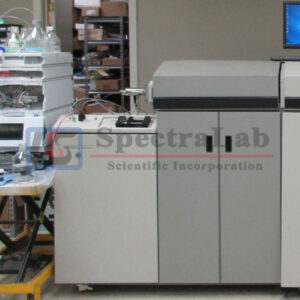
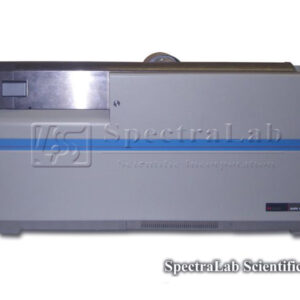
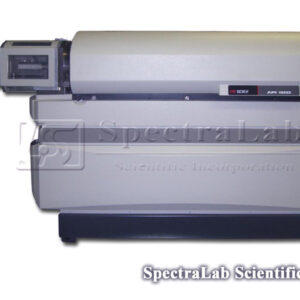
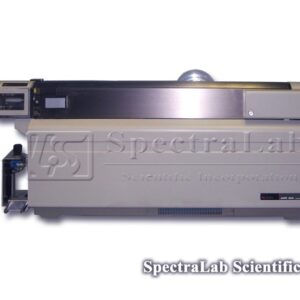
The Standard Test Method for Determination of Aldicarb, Carbofuran, Oxamyl, and Methomyl by Liquid Chromatography/Tandem Mass Spectrometry (LC/MS/MS) provides a highly selective and sensitive approach for quantifying trace levels of carbamate pesticides in complex matrices. Samples are extracted using QuEChERS or solid-phase extraction (SPE) techniques to remove interfering substances, followed by analysis on a reverse-phase C18 column. A gradient mobile phase—typically water and acetonitrile with formic acid or ammonium formate—is used to achieve efficient separation. Detection is performed using electrospray ionization (ESI) in positive ion mode, with multiple reaction monitoring (MRM) transitions specific to each compound (e.g., m/z 208→116 for methomyl). Calibration with matrix-matched standards ensures accuracy and precision at low µg/kg levels. This LC/MS/MS method offers excellent linearity, reproducibility, and sensitivity, making it ideal for multi-residue pesticide monitoring in agricultural, food, and environmental laboratories in accordance with international testing standards.
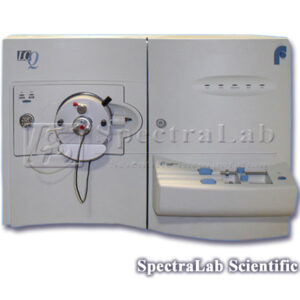
Featured LC-MS
Discover a wide range of lab equipment from top manufacturers at SpectraLab. View all to find more LC-MS equipment!
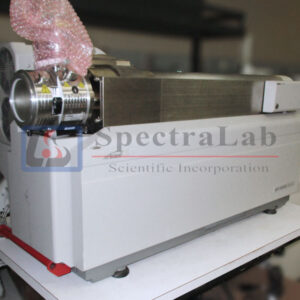
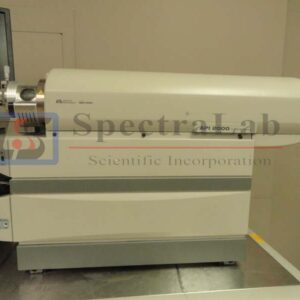
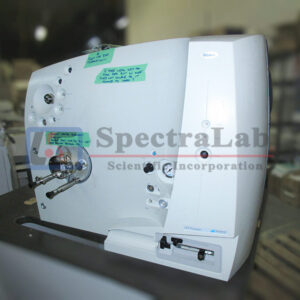
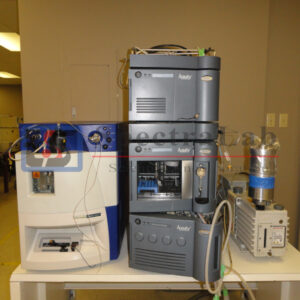
SpectraLab Scientific is a global leader of Refurbished analytical equipment. We specialize in reconditioning equipment, integrating the best available technologies from leading manufacturers across the industry. We are committed to quality and service, delivering strong customer satisfaction. We stock over 10,000 pre-owned lab equipment, components, and mix-and-match parts for your systems.
We care about your privacy
In order to provide you a personalized shopping experience, our site uses cookies. By continuing to use this site, you are agreeing to our cookie policy.