Organic Chemical
Organic chemicals encompass solvents, intermediates, and specialty compounds used in manufacturing, pharmaceuticals, and materials science. Analytical verification focuses on purity, identity, and the presence of degradation products or impurities.
Methoxybenzenes
Overview
Anisole (methoxybenzene) is an aromatic ether commonly used as a solvent, fragrance ingredient, and intermediate in the synthesis of pharmaceuticals, agrochemicals, and polymers. Its analysis is important for quality control, purity verification, and monitoring of reaction intermediates in chemical manufacturing. Due to its volatility and potential as an impurity or residual solvent, precise quantification of anisole is essential to ensure product consistency and safety.
Test Methods
Solutions
High-Performance Liquid Chromatography with Ultraviolet detection (HPLC-UV) provides a reliable and efficient method for the analysis of anisole in raw materials and formulated products. Using reversed-phase chromatography, anisole can be effectively separated from related aromatic compounds and quantified at specific UV absorbance wavelengths—typically near 270 nm. The technique offers excellent precision, reproducibility, and linearity, making it ideal for routine quality control, impurity profiling, and process validation in chemical and pharmaceutical laboratories.
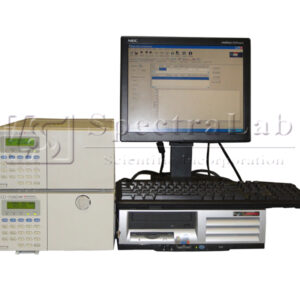
Featured HPLC-UV
Discover a wide range of lab equipment from top manufacturers at SpectraLab. View all to find more HPLC-UV equipment!
-
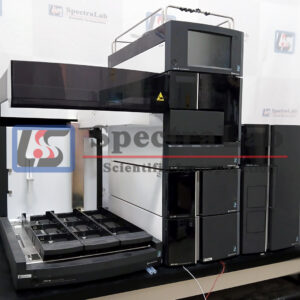
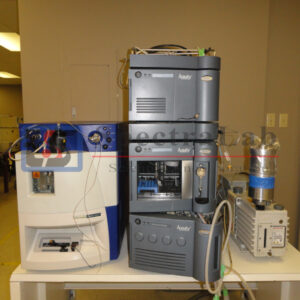
Waters Acquity UPLC System with ACQUITY UPLC TUV Detector, PDA Detector,FLR Detector
Item ID: RefurbishedIn Stock -
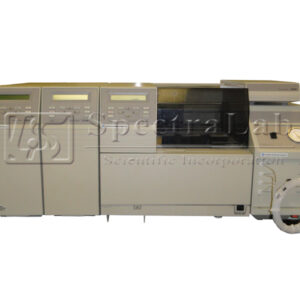
Waters HPLC system with 1525 Binary Pump, 717 Plus Autosampler, 2487 UV/Vis, 474 FLD or 2996 PDA
Item ID: RefurbishedIn StockPrice:$12000 USD
-
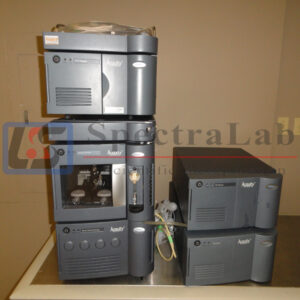
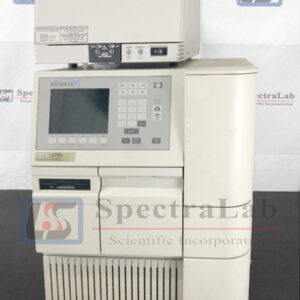
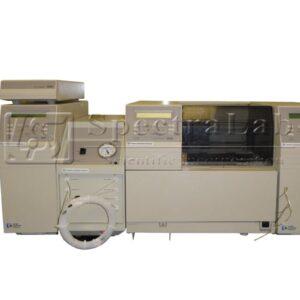
Waters Alliance 2690/2695 HPLC system with Waters 996 PDA
Item ID: RefurbishedIn StockPrice:$12000 USD
-
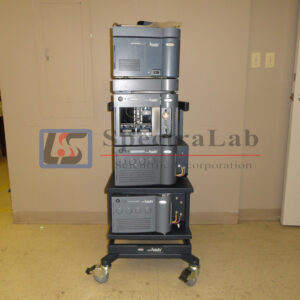
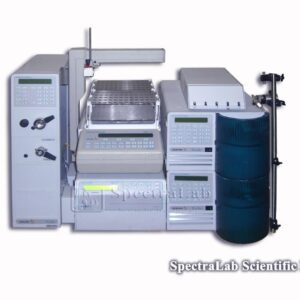
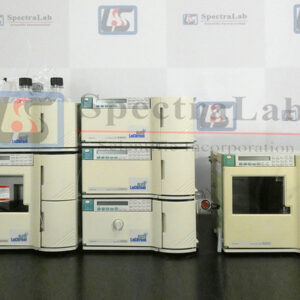
Varian ProStar Prep HPLC System with 345 UV/VIS Detector
Item ID: RefurbishedIn StockPrice:$8500 USD
-
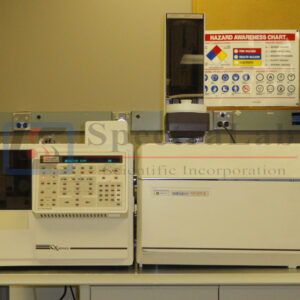
Shimadzu VP Basic Manual HPLC with SPD-10A Uv/Vis Detector and LC-10AD pump
Item ID: RefurbishedIn Stock
-
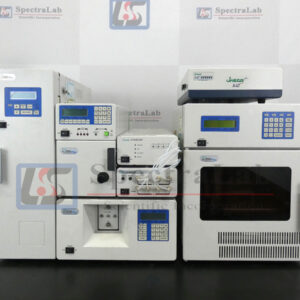
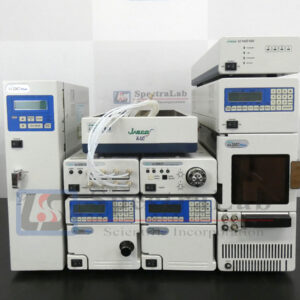
Jasco LC-2000Plus HPLC System with FP-2020Plus Intelligent Fluorescence Detector
Item ID: RefurbishedIn Stock -
Jasco LC-2000Plus HPLC System with UV-2075Plus Intelligent UV-Vis Detector
Item ID: RefurbishedIn Stock
-
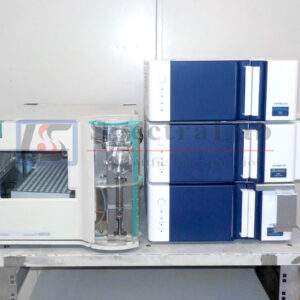
Hitachi Chromaster HPLC System, includes 5430 DAD, 5310 Column Oven, 5160 Pump, and Autosampler
Item ID: RefurbishedOn Backorder
Phthalate Esters
Overview
Phthalate esters are widely used as plasticizers to enhance flexibility and durability in polymers such as PVC. However, due to their potential health and environmental risks, phthalates are closely monitored in consumer products, food packaging, and environmental samples. Accurate analysis is essential to ensure compliance with safety regulations and to assess contamination or migration from plastic materials into surrounding media.
Test Methods
Solutions
High-Performance Liquid Chromatography with Ultraviolet detection (HPLC-UV) is a sensitive and reliable method for the determination of phthalate esters in complex matrices. Using reversed-phase chromatography—typically with a C18 column—phthalates are efficiently separated based on hydrophobic interactions and detected at UV wavelengths around 220–280 nm. HPLC-UV provides excellent selectivity, precision, and reproducibility, making it ideal for routine screening, quality control, and regulatory testing of phthalate content in industrial, environmental, and consumer product samples.
Featured HPLC-UV
Discover a wide range of lab equipment from top manufacturers at SpectraLab. View all to find more HPLC-UV equipment!
-
Waters Acquity UPLC System with ACQUITY UPLC TUV Detector, PDA Detector,FLR Detector
Item ID: RefurbishedIn Stock -
Waters HPLC system with 1525 Binary Pump, 717 Plus Autosampler, 2487 UV/Vis, 474 FLD or 2996 PDA
Item ID: RefurbishedIn StockPrice:$12000 USD
-
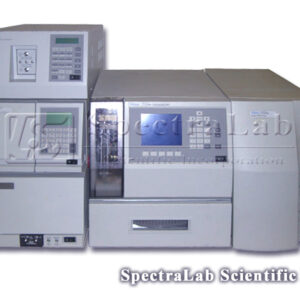
Waters Alliance 2690/2695 HPLC system with Waters 996 PDA
Item ID: RefurbishedIn StockPrice:$12000 USD
-
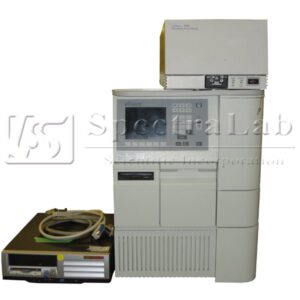
Varian ProStar Prep HPLC System with 345 UV/VIS Detector
Item ID: RefurbishedIn StockPrice:$8500 USD
-
Shimadzu VP Basic Manual HPLC with SPD-10A Uv/Vis Detector and LC-10AD pump
Item ID: RefurbishedIn Stock
-
Jasco LC-2000Plus HPLC System with FP-2020Plus Intelligent Fluorescence Detector
Item ID: RefurbishedIn Stock -
Jasco LC-2000Plus HPLC System with UV-2075Plus Intelligent UV-Vis Detector
Item ID: RefurbishedIn Stock
-
Hitachi Chromaster HPLC System, includes 5430 DAD, 5310 Column Oven, 5160 Pump, and Autosampler
Item ID: RefurbishedOn Backorder
Concentration of Formaldehyde Solutions
Overview
Formaldehyde is a widely used industrial chemical found in resins, adhesives, disinfectants, and laboratory reagents. Because of its high reactivity and potential toxicity, accurately determining the concentration of formaldehyde in solution is essential for product formulation, safety assessment, and quality control. Monitoring formaldehyde levels ensures compliance with regulatory standards and helps maintain consistent chemical performance in manufacturing and laboratory applications.
Test Methods
Solutions
High-Performance Liquid Chromatography with Ultraviolet detection (HPLC-UV) provides a precise and dependable method for determining formaldehyde concentration in aqueous or formulated solutions. Typically, formaldehyde is derivatized with reagents such as 2,4-dinitrophenylhydrazine (DNPH) or acetylacetone to form UV-absorbing compounds that can be separated on a reversed-phase column and detected at specific wavelengths. HPLC-UV offers excellent sensitivity, linearity, and reproducibility, making it ideal for routine monitoring, quality verification, and regulatory compliance testing of formaldehyde-containing products.
Featured HPLC-UV
Discover a wide range of lab equipment from top manufacturers at SpectraLab. View all to find more HPLC-UV equipment!
-
Waters Acquity UPLC System with ACQUITY UPLC TUV Detector, PDA Detector,FLR Detector
Item ID: RefurbishedIn Stock -
Waters HPLC system with 1525 Binary Pump, 717 Plus Autosampler, 2487 UV/Vis, 474 FLD or 2996 PDA
Item ID: RefurbishedIn StockPrice:$12000 USD
-
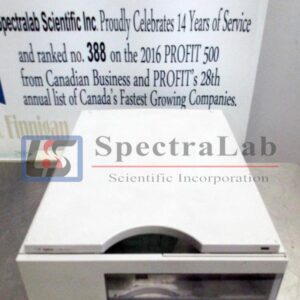
Waters Alliance 2690/2695 HPLC system with Waters 996 PDA
Item ID: RefurbishedIn StockPrice:$12000 USD
-
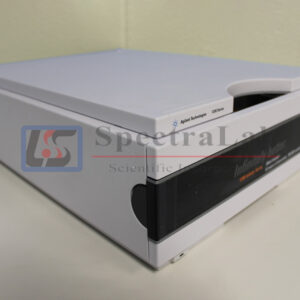
Varian ProStar Prep HPLC System with 345 UV/VIS Detector
Item ID: RefurbishedIn StockPrice:$8500 USD
-
Shimadzu VP Basic Manual HPLC with SPD-10A Uv/Vis Detector and LC-10AD pump
Item ID: RefurbishedIn Stock
-
Jasco LC-2000Plus HPLC System with FP-2020Plus Intelligent Fluorescence Detector
Item ID: RefurbishedIn Stock -
Jasco LC-2000Plus HPLC System with UV-2075Plus Intelligent UV-Vis Detector
Item ID: RefurbishedIn Stock
-
Hitachi Chromaster HPLC System, includes 5430 DAD, 5310 Column Oven, 5160 Pump, and Autosampler
Item ID: RefurbishedOn Backorder
Free Formaldehyde in Emulsion Polymers
Overview
Formaldehyde is often present in emulsion polymers as a residual monomer, preservative, or reaction byproduct. Excess free formaldehyde can impact product stability, odor, and safety, making its accurate quantification essential for quality control and regulatory compliance. Monitoring free formaldehyde levels helps manufacturers ensure that polymer emulsions used in coatings, adhesives, and textiles meet industry standards and minimize potential health and environmental risks.
Test Methods
ASTM D5910-05
Solutions
High-Performance Liquid Chromatography with Ultraviolet detection (HPLC-UV) provides a reliable and sensitive method for determining free formaldehyde in emulsion polymer systems. Typically, formaldehyde is derivatized with reagents such as 2,4-dinitrophenylhydrazine (DNPH) or acetylacetone to form stable, UV-absorbing derivatives that can be efficiently separated on a reversed-phase column. Detection at wavelengths around 360–380 nm enables precise quantification at low concentrations. HPLC-UV offers excellent accuracy, reproducibility, and linearity, making it the preferred technique for routine quality control and compliance testing of polymer-based materials.
Featured HPLC-UV
Discover a wide range of lab equipment from top manufacturers at SpectraLab. View all to find more HPLC-UV equipment!
-
Waters Acquity UPLC System with ACQUITY UPLC TUV Detector, PDA Detector,FLR Detector
Item ID: RefurbishedIn Stock -
Waters HPLC system with 1525 Binary Pump, 717 Plus Autosampler, 2487 UV/Vis, 474 FLD or 2996 PDA
Item ID: RefurbishedIn StockPrice:$12000 USD
-
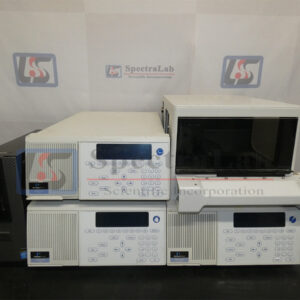
Waters Alliance 2690/2695 HPLC system with Waters 996 PDA
Item ID: RefurbishedIn StockPrice:$12000 USD
-
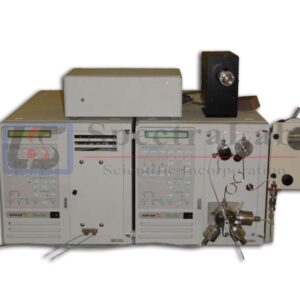
Varian ProStar Prep HPLC System with 345 UV/VIS Detector
Item ID: RefurbishedIn StockPrice:$8500 USD
-
Shimadzu VP Basic Manual HPLC with SPD-10A Uv/Vis Detector and LC-10AD pump
Item ID: RefurbishedIn Stock
-
Jasco LC-2000Plus HPLC System with FP-2020Plus Intelligent Fluorescence Detector
Item ID: RefurbishedIn Stock -
Jasco LC-2000Plus HPLC System with UV-2075Plus Intelligent UV-Vis Detector
Item ID: RefurbishedIn Stock
-
Hitachi Chromaster HPLC System, includes 5430 DAD, 5310 Column Oven, 5160 Pump, and Autosampler
Item ID: RefurbishedOn Backorder
Low Level Sodium in High Purity Water
Overview
Sodium is a common contaminant that can significantly affect the performance of high-purity water systems used in semiconductor manufacturing, power generation, and pharmaceutical production. Even trace amounts can interfere with critical processes or compromise product quality. Therefore, precise determination of low-level sodium concentrations is essential to verify water purity, maintain system integrity, and ensure compliance with stringent industry standards.
Test Methods
ASTM D6071-13
Solutions
Graphite Furnace Atomic Absorption Spectrometry (GFAAS) provides an ultra-sensitive and accurate method for measuring trace levels of sodium in high-purity water. In this technique, a small sample volume is introduced into a graphite furnace, where sodium atoms are thermally atomized and quantified at their characteristic absorption wavelength. GFAAS offers excellent detection limits, precision, and reproducibility, making it ideal for ultra-trace sodium analysis in critical applications where contamination control is paramount.
Phenol
Overview
Phenol is an important industrial chemical used in the production of resins, plastics, pharmaceuticals, and pesticides. It is also a common environmental pollutant that can arise from industrial discharge or the degradation of organic matter. Because of its toxicity and regulatory importance, accurate analysis of phenol is essential for quality control, environmental monitoring, and compliance with safety standards.
Test Methods
ASTM D6142-12
Solutions
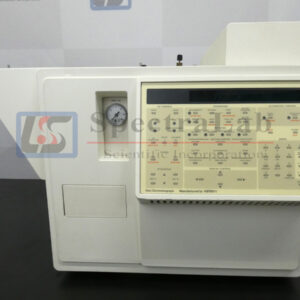
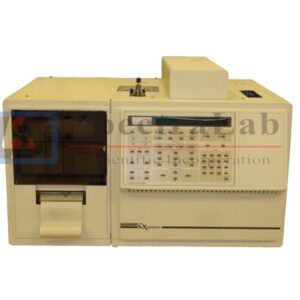
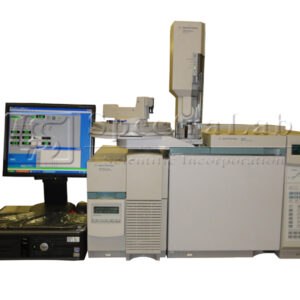
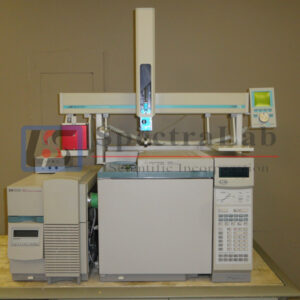
Gas Chromatography with Flame Ionization Detection (GC-FID) is a highly effective and reliable method for the analysis of phenol in a wide range of matrices, including water, air, and industrial products. The technique provides excellent separation of phenol from related aromatic compounds and impurities, while the FID ensures sensitive and linear quantification across a broad concentration range. GC-FID offers high precision, reproducibility, and ease of operation, making it ideal for routine monitoring, quality assurance, and regulatory testing of phenolic compounds.
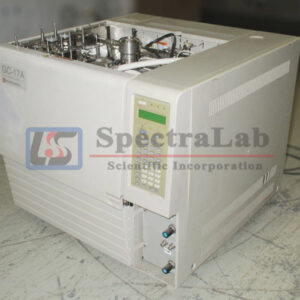
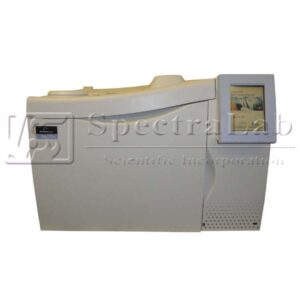
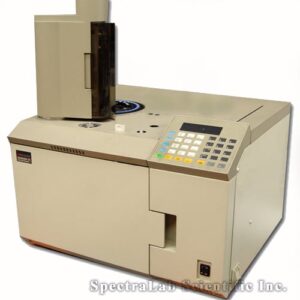
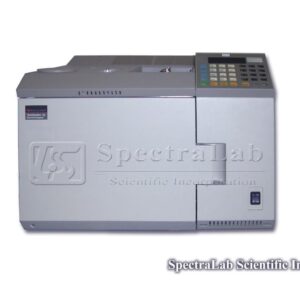
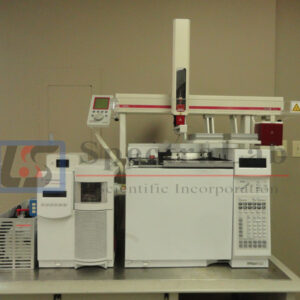
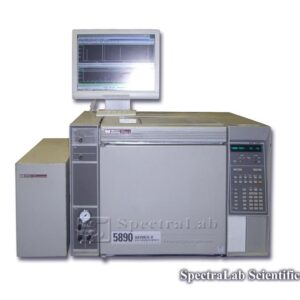
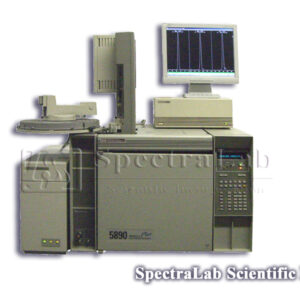
Featured GC-FID
Discover a wide range of lab equipment from top manufacturers at SpectraLab. View all to find more GC-FID equipment!
AMS (α-Methylstyrene)
Overview
α-Methylstyrene (AMS) is an aromatic hydrocarbon commonly used as a monomer or intermediate in the production of resins, plastics, and elastomers. Monitoring its purity and concentration is crucial for optimizing polymerization processes, ensuring product quality, and preventing unwanted byproducts. Accurate analysis of AMS also supports safety and environmental compliance in chemical manufacturing and processing facilities.
Test Methods
ASTM D6144-13
Solutions
Gas Chromatography with Flame Ionization Detection (GC-FID) provides a precise and efficient method for analyzing α-methylstyrene in raw materials and finished products. The GC system separates AMS from related aromatic and aliphatic hydrocarbons, while the FID offers sensitive and quantitative detection based on hydrocarbon combustion ionization. GC-FID delivers excellent resolution, linearity, and reproducibility, making it the preferred technique for routine quality control, purity testing, and process monitoring of α-methylstyrene in industrial applications.
Featured GC-FID
Discover a wide range of lab equipment from top manufacturers at SpectraLab. View all to find more GC-FID equipment!
Hydrocarbon Impurities in Ethylene
Overview
Ethylene is a key raw material in the petrochemical industry, used for producing polyethylene, ethylene oxide, and other high-value chemicals. The presence of hydrocarbon impurities—such as methane, acetylene, propylene, and butanes—can negatively affect downstream reactions and catalyst performance. Accurate determination of these impurities is essential for process optimization, product quality assurance, and compliance with industrial purity specifications.
Test Methods
ASTM D6159-97
Solutions
Gas Chromatography with Flame Ionization Detection (GC-FID) provides a robust and sensitive method for quantifying hydrocarbon impurities in high-purity ethylene. The chromatographic system separates light hydrocarbons based on volatility and polarity differences, while the FID ensures highly linear and reproducible detection of organic compounds. GC-FID offers excellent resolution, sensitivity, and speed, making it ideal for continuous process monitoring, purity certification, and quality control in petrochemical production environments.
Featured GC-FID
Discover a wide range of lab equipment from top manufacturers at SpectraLab. View all to find more GC-FID equipment!
Formaldehyde Content in Toys
Overview
Formaldehyde is commonly used in manufacturing resins, coatings, and adhesives found in various consumer products, including toys. However, excessive levels of free formaldehyde can pose health risks, particularly to children, due to its irritant and potentially carcinogenic nature. Determining formaldehyde content in toys is therefore essential for ensuring product safety and compliance with international regulatory standards such as EN 71-9 and ASTM F963.
Test Methods
–
Solutions
Ultraviolet–Visible (UV-Vis) spectrophotometry provides a simple, rapid, and reliable method for determining formaldehyde content in toy materials. The test typically involves extracting formaldehyde from the sample and reacting it with acetylacetone or 2,4-dinitrophenylhydrazine (DNPH) to form a stable, colored complex. The absorbance of this complex is then measured at a specific wavelength—commonly around 410–420 nm—to quantify formaldehyde concentration. UV-Vis analysis offers high sensitivity, accuracy, and reproducibility, making it well-suited for routine safety screening and regulatory compliance testing in consumer product quality control.
Low Level Water in Liquid Chlorine
Overview
The presence of even trace amounts of water in liquid chlorine can lead to equipment corrosion, product degradation, and the formation of unwanted byproducts such as hydrochloric acid. Monitoring and controlling moisture content is therefore critical for ensuring product purity, storage stability, and the safe handling of chlorine in industrial processes. Accurate measurement of low water concentrations supports both quality assurance and regulatory compliance in chemical manufacturing and distribution.
Test Methods
ASTM E1754-08
Solutions
The Standard Test Method for Determination of Low Levels of Water in Liquid Chlorine by Infrared Spectrophotometry provides a precise and direct means of measuring trace moisture content. In this method, the characteristic infrared absorption of water is detected and quantified in the presence of chlorine without requiring extensive sample preparation. Infrared spectrophotometry offers high sensitivity, rapid analysis, and excellent reproducibility, making it an ideal technique for routine monitoring and certification of high-purity liquid chlorine used in industrial and chemical applications.
Dichloromethane and TCE in Paints and Coatings
Overview
Dichloromethane (DCM) and 1,1,1-trichloroethane (TCE) are volatile organic solvents historically used in paints, coatings, and adhesives for their strong dissolving power and fast evaporation rates. However, both compounds pose environmental and health concerns due to their toxicity and potential contribution to air pollution. Determining the concentration of these chlorinated solvents in coatings is essential for regulatory compliance, product safety, and formulation quality control.
Test Methods
ASTM D4457
Solutions
Gas Chromatography with Flame Ionization Detection (GC-FID) offers a precise and reliable method for quantifying DCM and TCE in paints and coatings. The technique efficiently separates volatile organic compounds based on their boiling points and polarity, while the FID provides sensitive and linear detection for quantitative analysis. Sample preparation typically involves solvent extraction or headspace sampling to isolate the target analytes. GC-FID delivers excellent resolution, reproducibility, and detection limits, making it ideal for monitoring solvent content, verifying regulatory limits, and ensuring consistent product formulation in coatings manufacturing.
Featured GC-FID
Discover a wide range of lab equipment from top manufacturers at SpectraLab. View all to find more GC-FID equipment!
Propylene Glycol and Glycol Ether
Overview
Propylene glycol and glycol ethers (PGEs) are widely used as solvents, humectants, and coalescing agents in paints, coatings, cosmetics, and cleaning formulations. Their concentrations can significantly affect product performance, drying time, and safety. Accurate determination of PGEs is essential for quality control, formulation verification, and compliance with environmental and occupational safety regulations.
Test Methods
–
Solutions
Gas Chromatography with Flame Ionization Detection (GC-FID) provides a robust and sensitive method for the determination of propylene glycol and glycol ethers in various product matrices. The GC system separates individual PGE components based on their volatility and polarity, while the FID ensures precise and quantitative detection of organic compounds. This technique offers excellent linearity, reproducibility, and resolution, making it ideal for routine quality testing, formulation validation, and regulatory compliance in chemical and industrial laboratories.
Featured GC-FID
Discover a wide range of lab equipment from top manufacturers at SpectraLab. View all to find more GC-FID equipment!
Amino Acids
Overview
Ethanol and amino acids are key biochemical markers frequently analyzed in clinical and forensic toxicology. Ethanol concentration in blood is a critical indicator for assessing intoxication, while amino acids provide insight into metabolic status and physiological balance. Accurate quantification of ethanol, in particular, is essential for legal investigations, workplace testing, and medical diagnostics where precision and reliability are paramount.
Test Methods
Solutions
Headspace Gas Chromatography–Mass Spectrometry (HS-GC-MS) offers a highly sensitive and selective method for measuring ethanol in blood samples. The headspace technique enables analysis of the volatile ethanol fraction without direct contact with the liquid matrix, minimizing contamination and improving reproducibility. Gas chromatography separates ethanol from other volatile compounds, and mass spectrometry confirms its identity and concentration based on characteristic ion fragments. HS-GC-MS delivers exceptional accuracy, precision, and trace-level detection, making it the gold standard for forensic and clinical ethanol determination.
Featured GC-MS
Discover a wide range of lab equipment from top manufacturers at SpectraLab. View all to find more GC-MS equipment!
-
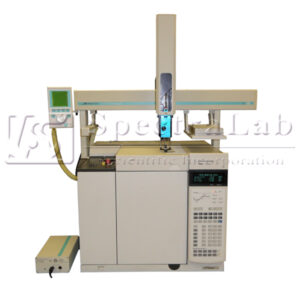
HP 5973 EI/CI MSD G1099A with 6890 Plus GC & CTC Analytics Combi PAL Autosampler
Item ID: RefurbishedIn StockPrice:$25000 USD
-
HP 5972 MSD with HP 5890 II GC, HP 7673B Autosampler, Data System and Rough Pump
Item ID: RefurbishedIn Stock
Thiodiglycol
Overview
Thiodiglycol is a key degradation product and precursor associated with chemical warfare agents such as sulfur mustard. Its detection on environmental or surface wipes is crucial for verifying decontamination, assessing exposure risk, and supporting forensic or defense-related investigations. Because thiodiglycol is highly polar and water-soluble, accurate trace-level quantification requires sensitive and selective analytical techniques capable of handling complex sample matrices.
Test Methods
Solutions
The Standard Test Method for Determination of Thiodiglycol on Wipes by Solvent Extraction Followed by Liquid Chromatography/Tandem Mass Spectrometry (LC-MS/MS) provides a validated and highly sensitive approach for surface residue analysis. Samples are extracted with a suitable solvent, and the extract is analyzed by LC-MS/MS, where thiodiglycol is separated chromatographically and identified by specific mass transitions. This method offers excellent selectivity, low detection limits, and reproducibility, enabling precise quantification of thiodiglycol residues to confirm environmental cleanliness and compliance with defense or safety protocols.
Featured LC-MS
Discover a wide range of lab equipment from top manufacturers at SpectraLab. View all to find more LC-MS equipment!
-
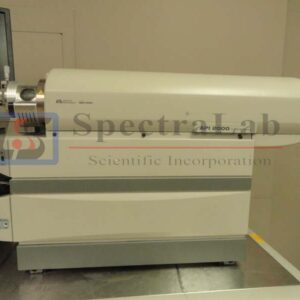
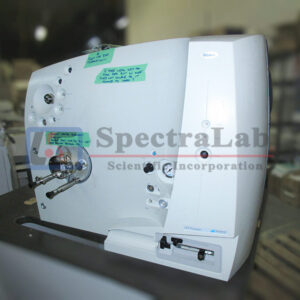
AB Sciex API 3000 LC/MS/MS with Agilent Technologies Turbo V 551 Navigator
Item ID: RefurbishedIn Stock
Identification and Quantitation Compounds in Water
Overview
Organic compounds in water—including industrial chemicals, solvents, pesticides, and byproducts—can significantly impact environmental and public health. Detecting and quantifying these compounds is essential for assessing water quality, tracking pollution sources, and ensuring compliance with environmental regulations. Given the complexity and variability of organic contaminants, comprehensive analytical techniques are required to identify both known and unknown compounds with high sensitivity and accuracy.
Test Methods
Solutions
The Standard Guide for Identification and Quantitation of Organic Compounds in Water by Combined Gas Chromatography and Electron Impact Mass Spectrometry (GC-EI/MS) provides a robust and widely accepted approach for analyzing organic contaminants in aqueous samples. Gas chromatography separates compounds based on volatility and polarity, while electron impact mass spectrometry generates characteristic fragmentation patterns for compound identification and quantitation. This method delivers excellent sensitivity, selectivity, and reproducibility, enabling reliable detection of trace-level organics and supporting environmental monitoring, compliance testing, and research on water contamination.
Featured GC-MS
Discover a wide range of lab equipment from top manufacturers at SpectraLab. View all to find more GC-MS equipment!
-
HP 5973 EI/CI MSD G1099A with 6890 Plus GC & CTC Analytics Combi PAL Autosampler
Item ID: RefurbishedIn StockPrice:$25000 USD
-
HP 5972 MSD with HP 5890 II GC, HP 7673B Autosampler, Data System and Rough Pump
Item ID: RefurbishedIn Stock
Benzodiazepines
Overview
Benzodiazepines are psychoactive compounds commonly prescribed for anxiety, insomnia, and seizure disorders. Due to their potential for misuse, dependence, and overdose, accurate detection and quantification are essential in clinical toxicology, forensic analysis, and therapeutic drug monitoring. Measuring benzodiazepines and their metabolites in biological samples such as blood, urine, or plasma provides critical information for assessing compliance, intoxication, or exposure.
Test Methods
Solutions
Liquid Chromatography–Mass Spectrometry (LC-MS) provides a highly sensitive and specific method for the analysis of benzodiazepines in complex biological matrices. The LC system effectively separates multiple benzodiazepine analogs and metabolites, while mass spectrometry detects and quantifies them based on characteristic mass-to-charge ratios. LC-MS offers excellent selectivity, low detection limits, and rapid multi-analyte screening, making it an ideal choice for forensic, clinical, and pharmaceutical applications where precision and reliability are essential.
Featured LC-MS
Discover a wide range of lab equipment from top manufacturers at SpectraLab. View all to find more LC-MS equipment!
-
AB Sciex API 3000 LC/MS/MS with Agilent Technologies Turbo V 551 Navigator
Item ID: RefurbishedIn Stock
Oils and Oil Acids
Overview
Oils and oil-derived fatty acids are key components in solvent-reducible paints, influencing drying properties, gloss, and film durability. Identifying and characterizing these components is essential for verifying raw material composition, optimizing formulation performance, and ensuring consistency in product quality. Accurate analysis also helps detect adulteration or formulation changes that may affect coating behavior and compliance with manufacturing specifications.
Test Methods
Solutions
Gas Chromatography with Flame Ionization Detection (GC-FID) provides a precise and efficient method for identifying and quantifying oils and oil acids in solvent-reducible paints. Following derivatization—typically to methyl esters—fatty acid components are separated based on carbon chain length and degree of unsaturation. The FID ensures sensitive, linear, and reproducible detection of organic compounds, allowing for detailed compositional profiling. GC-FID offers excellent resolution and reliability, making it the preferred technique for quality control, formulation validation, and compositional studies in coatings and paint manufacturing.
Featured GC-FID
Discover a wide range of lab equipment from top manufacturers at SpectraLab. View all to find more GC-FID equipment!
SpectraLab Scientific Inc
Established in 2003,
SpectraLab Scientific is a global leader of Refurbished analytical equipment. We specialize in reconditioning equipment, integrating the best available technologies from leading manufacturers across the industry. We are committed to quality and service, delivering strong customer satisfaction. We stock over 10,000 pre-owned lab equipment, components, and mix-and-match parts for your systems.