-

-
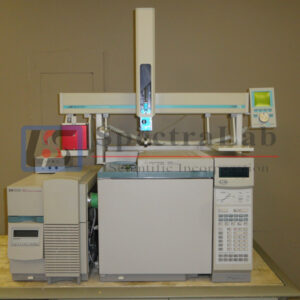
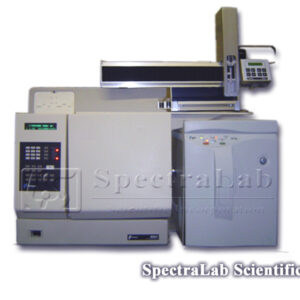
HP 5973 EI/CI MSD G1099A with 6890 Plus GC & CTC Analytics Combi PAL Autosampler
RefurbishedIn StockPrice:$25000 USD
-
-
-
“Varian 3900 GC With FID and 1041 Packed Injector” has been added to your cart. View cart
🇺🇸 Spectralab Scientific Expands to the U.S.! 🇺🇸 Dismiss
Characterization of bioethanol, biodiesel, and blended fuels for oxygenates, metals, and organic impurities. Testing supports renewable energy certification, fuel quality control, and performance optimization.
Biofuels are complex mixtures derived from renewable biological sources such as plant oils, animal fats, or biomass. Their chemical composition directly influences performance, combustion efficiency, and emissions. Comprehensive characterization of biofuel samples is essential to understand their molecular profile, detect contaminants, and ensure compliance with fuel quality standards. Identifying and quantifying the wide range of hydrocarbons, oxygenates, and other organic compounds present in biofuels supports product optimization and process improvement in sustainable energy production.
–
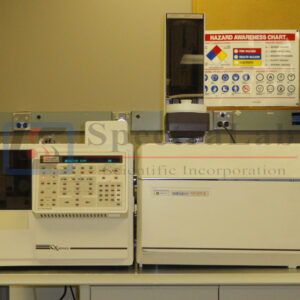
Gas Chromatography coupled with Time-of-Flight Mass Spectrometry (GC-TOFMS) provides a powerful analytical platform for detailed characterization of biofuel samples. The GC component separates complex mixtures into individual compounds, while TOFMS offers high-resolution mass detection, rapid spectral acquisition, and accurate mass identification. This combination allows for precise qualitative and quantitative analysis of biofuel constituents, including trace components. By employing GC-TOFMS, laboratories can achieve comprehensive chemical profiling, enhance quality control, and support the development of cleaner, more efficient biofuels.
Featured GC-TOFMS
Discover a wide range of lab equipment from top manufacturers at SpectraLab. View all to find more GC-TOFMS equipment!
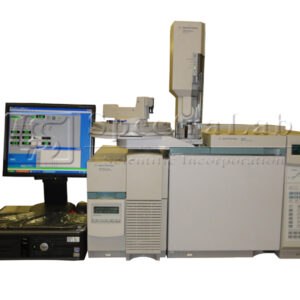
$25000 USD
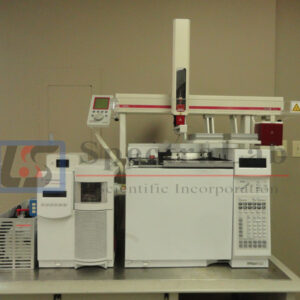
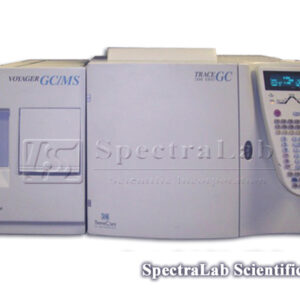
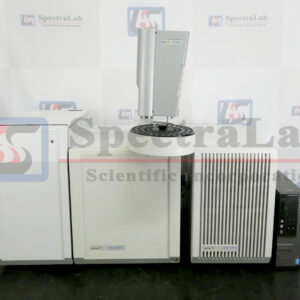
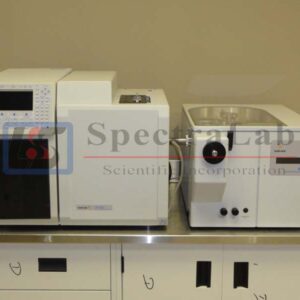
Glycerin, glycerides, glycerol esters, and various acylglycerols are key components and by-products in bioethanol and biodiesel production. Monitoring free and total glycerol, along with ester content, is essential for evaluating fuel quality, ensuring complete transesterification, and meeting international standards such as ASTM D6751 and EN 14214. Accurate analysis of these compounds helps assess conversion efficiency, detect impurities, and guarantee that the biofuel performs safely and effectively in engines while minimizing emissions.
–
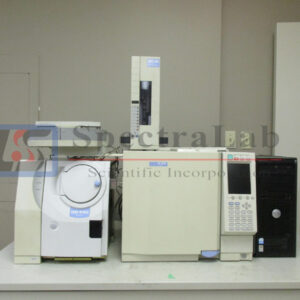
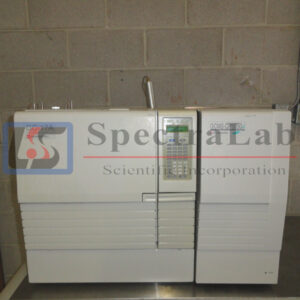
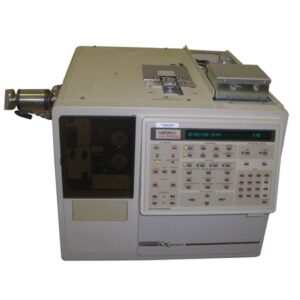
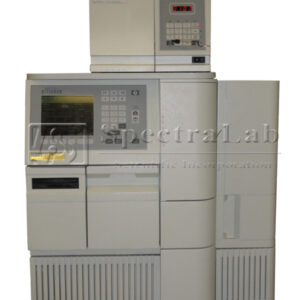
Gas Chromatography with Flame Ionization Detection (GC-FID) and High-Performance Liquid Chromatography with Refractive Index Detection (HPLC-RI) are complementary techniques that provide comprehensive analysis of glycerin, glycerides, glycerol esters, and acylglycerols in biofuels. GC-FID delivers precise quantification of volatile and semi-volatile esters and glycerol species, while HPLC-RI accurately measures non-volatile and thermally labile components without derivatization. Together, these methods enable detailed profiling of both free and total glycerol and ester content. By employing GC-FID and HPLC-RI, laboratories can ensure biofuel purity, confirm production efficiency, and maintain compliance with fuel quality regulations.
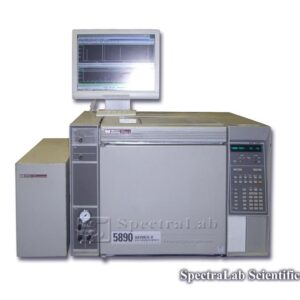
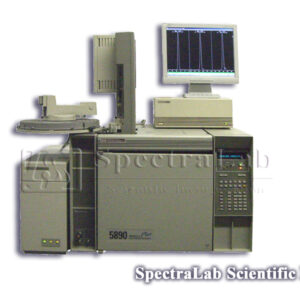
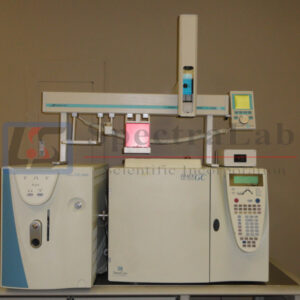
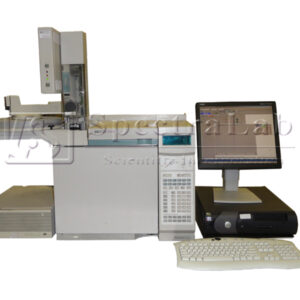
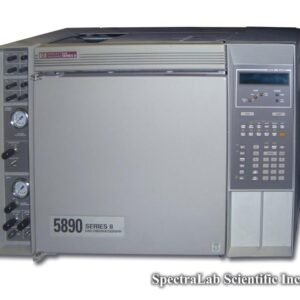
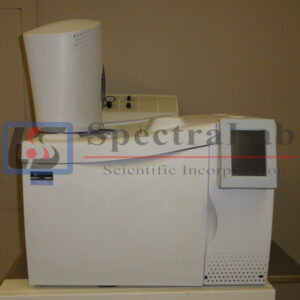
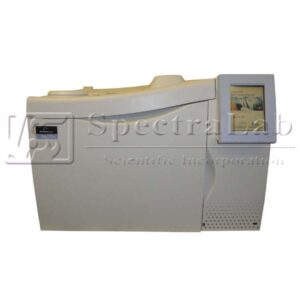
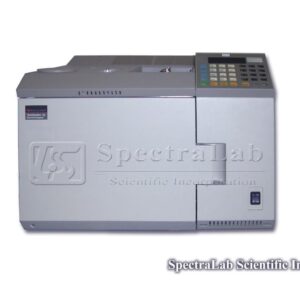
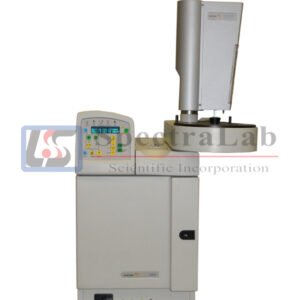
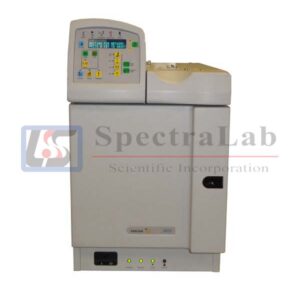
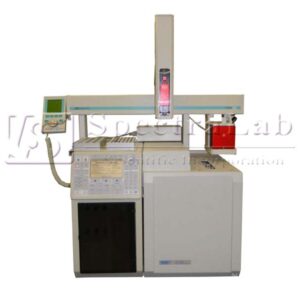
Featured GC-FID
Discover a wide range of lab equipment from top manufacturers at SpectraLab. View all to find more GC-FID equipment!
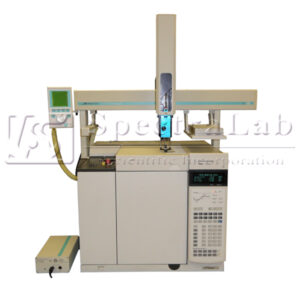
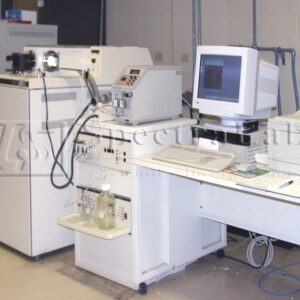
Featured LC-RI
Discover a wide range of lab equipment from top manufacturers at SpectraLab. View all to find more LC-RI equipment!
Monoglycerides, diglycerides, triglycerides, and glycerin are key indicators of the conversion efficiency and quality of biodiesel, particularly B-100 methyl esters. Residual glycerides and free glycerin can negatively affect fuel performance, leading to injector deposits, filter clogging, and incomplete combustion. Determining total glycerides and glycerin content is therefore essential to verify compliance with specifications such as ASTM D6584 and EN 14105, ensuring that biodiesel meets the required purity and performance standards for safe engine operation.
Monoglycerides, diglycerides, triglycerides, and glycerin are key indicators of the conversion efficiency and quality of biodiesel, particularly B-100 methyl esters. Residual glycerides and free glycerin can negatively affect fuel performance, leading to injector deposits, filter clogging, and incomplete combustion. Determining total glycerides and glycerin content is therefore essential to verify compliance with specifications such as ASTM D6584 and EN 14105, ensuring that biodiesel meets the required purity and performance standards for safe engine operation.
Featured GC-FID
Discover a wide range of lab equipment from top manufacturers at SpectraLab. View all to find more GC-FID equipment!
Methanol is a key reactant in the transesterification process used to produce biodiesel, but residual methanol in the final biofuel can affect fuel quality, safety, and regulatory compliance. Excess methanol may cause corrosion, lower flash points, and present handling hazards. Accurate determination of methanol content in biofuel is therefore essential to ensure product purity, optimize production processes, and meet international standards such as ASTM D93 and EN 14110 for safe fuel performance and storage.
Headspace Gas Chromatography with Flame Ionization Detection (Headspace GC-FID) offers a precise and efficient method for analyzing methanol in biofuel samples. In this technique, volatile methanol is measured directly from the vapor phase above the liquid sample, minimizing matrix effects and simplifying preparation. The GC efficiently separates methanol from other volatile components, while the FID provides sensitive and linear detection. This approach ensures accurate quantification of trace methanol levels, enabling laboratories to verify compliance, maintain consistent biofuel quality, and support safe production and distribution practices.
Featured GC-FID
Discover a wide range of lab equipment from top manufacturers at SpectraLab. View all to find more GC-FID equipment!
SpectraLab Scientific is a global leader of Refurbished analytical equipment. We specialize in reconditioning equipment, integrating the best available technologies from leading manufacturers across the industry. We are committed to quality and service, delivering strong customer satisfaction. We stock over 10,000 pre-owned lab equipment, components, and mix-and-match parts for your systems.
We care about your privacy
In order to provide you a personalized shopping experience, our site uses cookies. By continuing to use this site, you are agreeing to our cookie policy.