Metals, Elements & Inorganics
Determination of major, trace, and toxic metals, along with inorganic compounds, in environmental and industrial matrices using advanced elemental analysis techniques.
Low Level Sodium in High Purity Water
Overview
Sodium is a common trace impurity found in high purity water systems and is often monitored as an indicator of contamination from external sources such as glassware, reagents, or environmental exposure. Even at very low concentrations, sodium can impact the performance of sensitive industrial processes, particularly in semiconductor manufacturing, power generation, and pharmaceutical applications. Due to the extremely low levels typically present—often in the parts-per-billion (ppb) range—accurate detection requires highly sensitive analytical methods and strict control of potential contamination during sampling and analysis.
Test Methods
ASTM D6071-13
Solutions
Graphite Furnace Atomic Absorption Spectroscopy (GFAAS) provides the sensitivity and precision necessary for quantifying low-level sodium in high purity water. The technique’s electrothermal atomization process allows for efficient analyte concentration within the graphite tube, enabling detection of sodium at trace levels with minimal sample volume. Modern GFAAS instruments are equipped with automated background correction, matrix modification, and precise temperature programming, which enhance accuracy and reproducibility. Combined with rigorous sample handling protocols and ultrapure reagents, this technology ensures reliable monitoring of sodium contamination in high purity water applications.
Featured GFAAS
Discover a wide range of lab equipment from top manufacturers at SpectraLab. View all to find more GFAAS equipment!
-
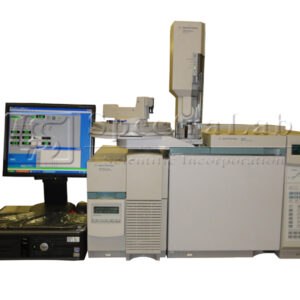
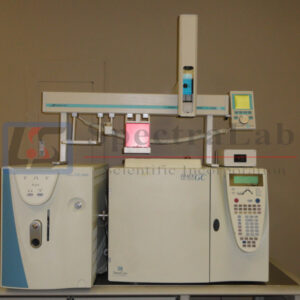
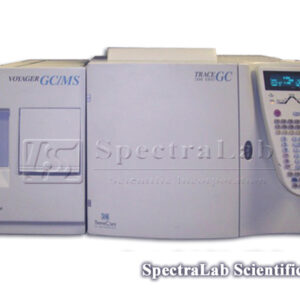
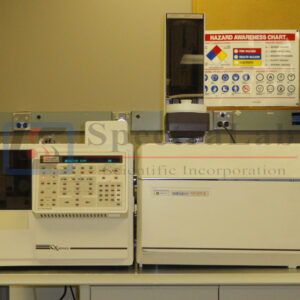
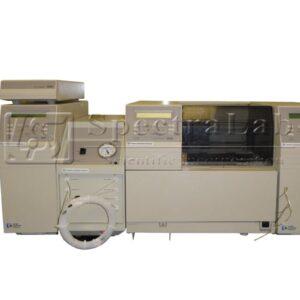
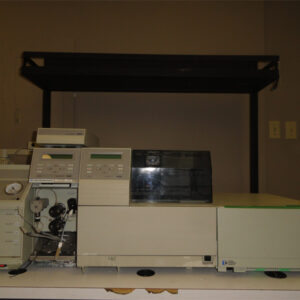
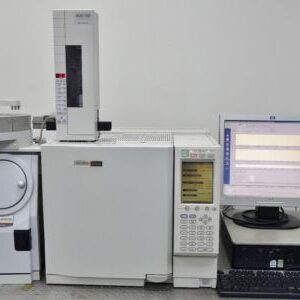
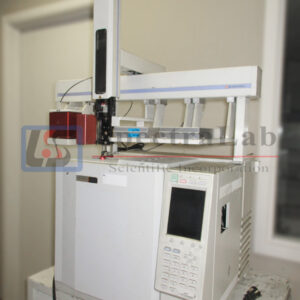
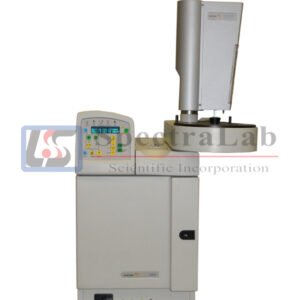
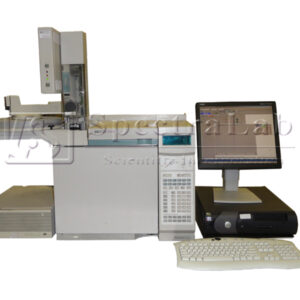
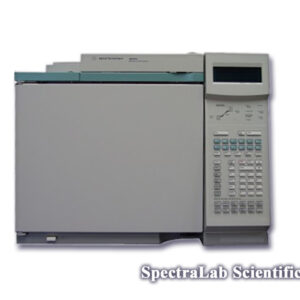
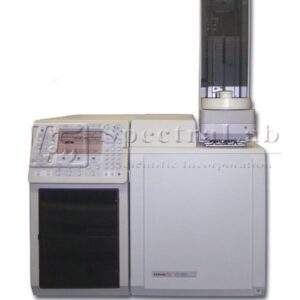
Agilent 6890 GC with FID/ECD or NPD, Agilent G1512A Controller and Agilent 6890 Auto Injector
Item ID: RefurbishedIn Stock
Flame Atomic Absorption Spectrophotometry
Test Methods
EPA 7000 B
Solutions
Flame Atomic Absorption Spectrophotometry (FAAS) offers a reliable and straightforward approach for determining sodium concentrations in water samples. In this technique, a sample is aspirated into a flame where sodium atoms are excited, and their characteristic absorption wavelength is measured with high specificity. Modern FAAS instruments provide excellent precision, rapid analysis, and easy calibration using sodium standards. They are designed with stable burner systems, automated dilution capabilities, and digital signal processing to enhance accuracy at trace levels. When combined with proper sample handling and contamination control, FAAS enables dependable monitoring of low-level sodium in high purity water applications.
Featured FAAS
Discover a wide range of lab equipment from top manufacturers at SpectraLab. View all to find more FAAS equipment!
Graphite Furnace Atomic Absorption Spectrophotometry
Test Methods
EPA 7010
Solutions
Graphite Furnace Atomic Absorption Spectrophotometry (GFAAS) is an advanced analytical technique ideal for measuring low-level sodium in high purity water. Unlike flame AAS, GFAAS uses an electrothermal atomizer that concentrates and atomizes the analyte within a graphite furnace, significantly enhancing detection sensitivity. This allows for accurate quantification of sodium at ultra-trace levels using minimal sample volumes. Modern GFAAS instruments feature programmable temperature control, background correction, and automated sample introduction to improve precision and reproducibility. When combined with clean sampling techniques and high-purity reagents, GFAAS provides a powerful solution for the reliable determination of trace sodium in high purity water.
Featured GFAAS
Discover a wide range of lab equipment from top manufacturers at SpectraLab. View all to find more GFAAS equipment!
-
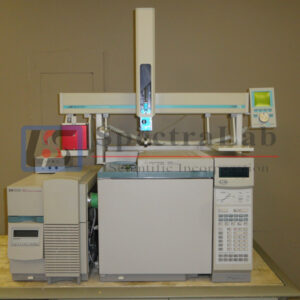
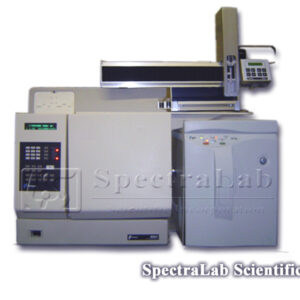
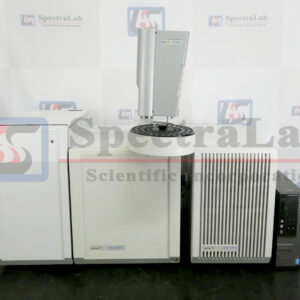
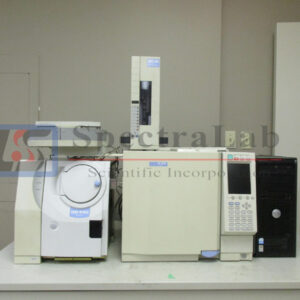
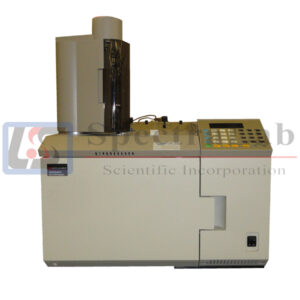
HP 5973 EI/CI MSD G1099A with 6890 Plus GC & CTC Analytics Combi PAL Autosampler
Item ID: RefurbishedIn StockPrice:$25000 USD
-
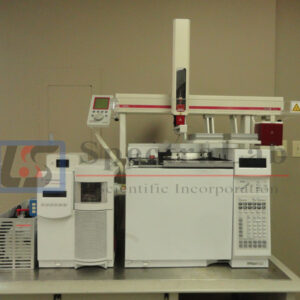
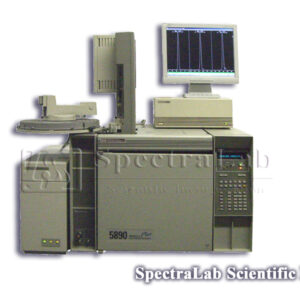
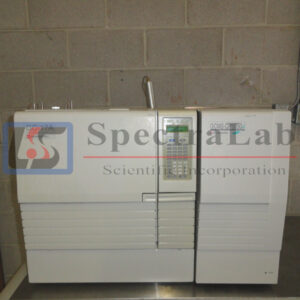
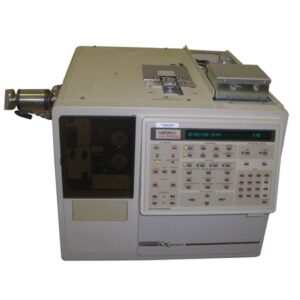
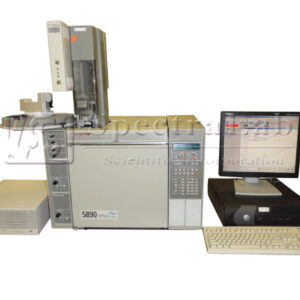
HP 5972 MSD with HP 5890 II GC, HP 7673B Autosampler, Data System and Rough Pump
Item ID: RefurbishedIn Stock
Mercury in Liquid Waste
Overview
Mercury is a highly toxic heavy metal commonly found as a contaminant in industrial liquid waste streams, including those from chemical manufacturing, mining, and laboratory operations. Even at very low concentrations, mercury poses significant environmental and health risks due to its persistence, bioaccumulation, and potential to transform into more toxic forms such as methylmercury. Monitoring mercury levels in liquid waste is therefore critical to ensure compliance with environmental regulations and to prevent contamination of water sources and ecosystems. Accurate measurement of mercury at trace concentrations requires analytical methods with exceptional sensitivity and minimal interference from complex sample matrices.
Test Methods
EPA 7470A
Solutions
The manual cold-vapor technique using Atomic Absorption Spectrophotometry (AA) is a well-established and highly sensitive method for determining mercury in liquid waste. In this technique, mercury ions in the sample are chemically reduced to elemental mercury vapor, which is then transported into an absorption cell for measurement at the characteristic wavelength of 253.7 nm. This cold-vapor approach eliminates the need for high-temperature atomization, reducing matrix interferences and improving detection limits to the low parts-per-billion (ppb) or even parts-per-trillion (ppt) range. Modern AA systems designed for cold-vapor analysis incorporate stable light sources, precise flow control, and automated background correction, ensuring accurate, reproducible results for trace mercury determination in complex waste samples.
Featured AA
Discover a wide range of lab equipment from top manufacturers at SpectraLab. View all to find more AA equipment!
-
HP 5973 EI/CI MSD G1099A with 6890 Plus GC & CTC Analytics Combi PAL Autosampler
Item ID: RefurbishedIn StockPrice:$25000 USD
-
HP 5972 MSD with HP 5890 II GC, HP 7673B Autosampler, Data System and Rough Pump
Item ID: RefurbishedIn Stock
Mercury in Solid or Semisolid Waste
Overview
Mercury is a hazardous heavy metal that can exist in various forms within solid or semisolid waste materials such as sludge, soil, sediments, and industrial by-products. Due to its toxicity, volatility, and ability to bioaccumulate, mercury poses serious environmental and health concerns when released into the ecosystem. Monitoring mercury concentrations in solid and semisolid waste is essential for assessing contamination levels, ensuring safe waste disposal, and maintaining compliance with environmental regulations. Because mercury is often present at trace levels and distributed unevenly within samples, accurate analysis requires effective digestion or extraction procedures combined with highly sensitive detection techniques.
Test Methods
EPA 7471B
EPA 7473
Solutions
The manual cold-vapor technique using Atomic Absorption Spectrophotometry (AA) is a precise and sensitive method for determining mercury in solid or semisolid waste. Prior to analysis, the sample is digested with suitable oxidizing acids to convert all mercury species into a measurable ionic form. The mercury ions are then chemically reduced to elemental mercury vapor, which is transported into an absorption cell and measured at 253.7 nm using AA. This cold-vapor approach provides excellent sensitivity by isolating mercury as a vapor phase, minimizing matrix effects and enabling detection at very low concentrations. Modern AA systems equipped for cold-vapor analysis offer stable light sources, efficient gas handling systems, and accurate background correction, ensuring reliable quantification of mercury in complex solid and semisolid waste samples.
Featured AA
Discover a wide range of lab equipment from top manufacturers at SpectraLab. View all to find more AA equipment!
-
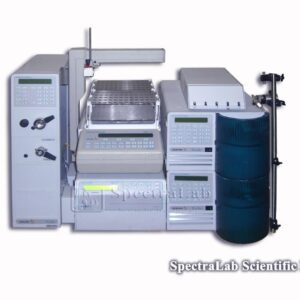
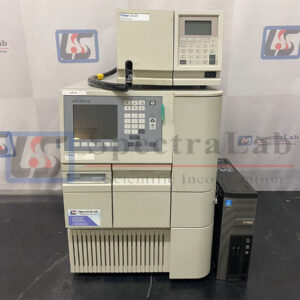
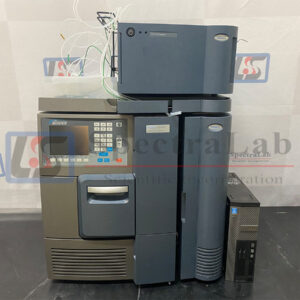
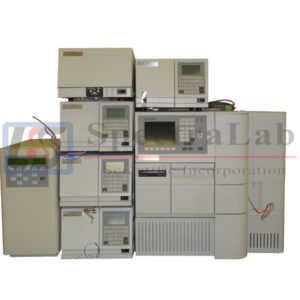
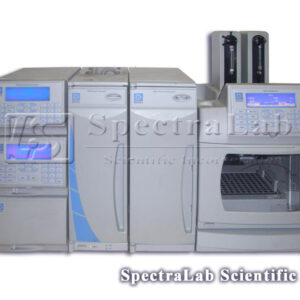
Waters HPLC system with 1525 Binary Pump, 717 Plus Autosampler, 2487 UV/Vis, 474 FLD or 2996 PDA
Item ID: RefurbishedIn StockPrice:$12000 USD
-
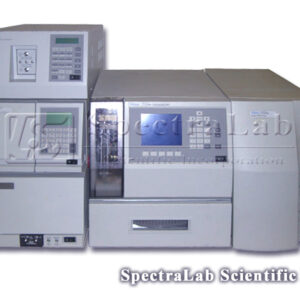
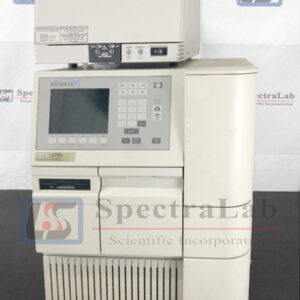
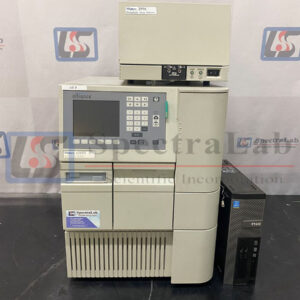
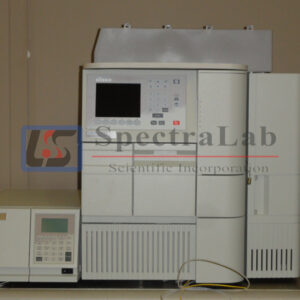
Waters Alliance 2690/2695 HPLC system with Waters 996 PDA
Item ID: RefurbishedIn StockPrice:$12000 USD
-
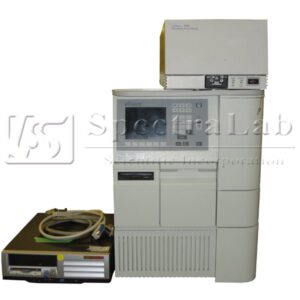
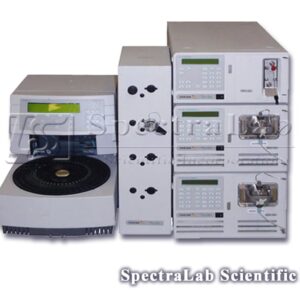
Varian ProStar Prep HPLC System with 345 UV/VIS Detector
Item ID: RefurbishedIn StockPrice:$8500 USD
-
Shimadzu VP Basic Manual HPLC with SPD-10A Uv/Vis Detector and LC-10AD pump
Item ID: RefurbishedIn Stock
Featured LC-MS-MS
Discover a wide range of lab equipment from top manufacturers at SpectraLab. View all to find more LC equipment!
-
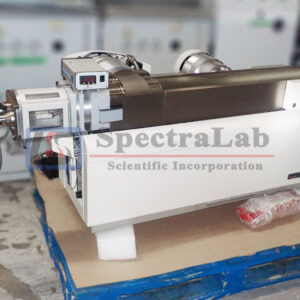
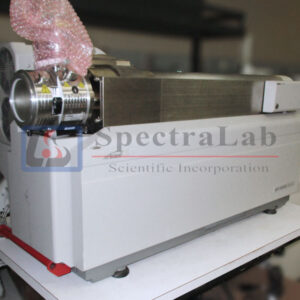
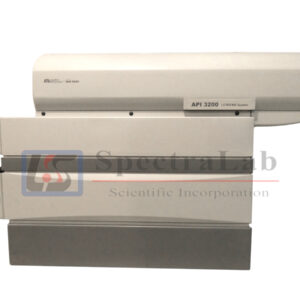
AB Sciex API 3000 LC/MS/MS System with Turbo Ionspray, & Turbo V Ion Source
Item ID: RefurbishedIn Stock -
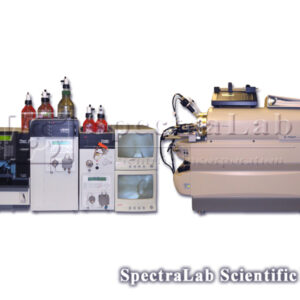
AB Sciex 2000 QTRAP LC/MS/MS with Nano Spray Probe (Video Cameras) and LC Packings Nano HPLC
Item ID: RefurbishedIn Stock
On-Line Colorimetric Measurement of Silica
Overview
Silica (SiO₂) is a common impurity found in natural and treated waters, and its monitoring is essential in industries such as power generation, semiconductor manufacturing, and water treatment. In boiler and turbine systems, even trace levels of silica can deposit on heat transfer surfaces, leading to reduced efficiency and potential equipment damage. Similarly, in high-purity water applications, silica contamination can compromise process quality and product integrity. Because silica is typically present at very low concentrations in these environments, accurate and continuous monitoring is necessary to ensure that control systems maintain optimal water quality and prevent scaling or contamination issues.
Test Methods
Solutions
The standard test method for on-line colorimetric measurement of silica provides a reliable and automated approach for continuous silica monitoring. This technique is based on the formation of a yellow molybdate-silicate complex that develops a blue color upon reduction; the resulting color intensity is measured photometrically and is directly proportional to the silica concentration. On-line colorimetric analyzers equipped with precise reagent dosing, controlled reaction timing, and optical detection systems enable real-time measurement with minimal operator intervention. These instruments offer high sensitivity, stability, and rapid response, making them ideal for continuous process control in power plants, ultrapure water systems, and industrial water treatment applications.
Featured Headspace-GC/MS
Discover a wide range of lab equipment from top manufacturers at SpectraLab. View all to find more GC-MS equipment!
-
HP 5973 EI/CI MSD G1099A with 6890 Plus GC & CTC Analytics Combi PAL Autosampler
Item ID: RefurbishedIn StockPrice:$25000 USD
White Phosphorus (P4) by Solvent Extraction
Overview
White phosphorus (P₄) is a highly reactive and toxic elemental form of phosphorus used in various industrial and military applications, including munitions, pyrotechnics, and chemical manufacturing. Due to its volatility, flammability, and environmental persistence, white phosphorus poses significant risks to both human health and aquatic ecosystems when released into the environment. Monitoring P₄ concentrations in environmental and waste samples is essential for assessing contamination, ensuring regulatory compliance, and supporting remediation efforts. Because white phosphorus is sensitive to light, air, and temperature, specialized handling and analytical procedures are required to maintain sample integrity and obtain accurate results.
Test Methods
EPA 7580
Solutions
The solvent extraction and gas chromatography method with a nitrogen-phosphorus detector (GC-NPD) provides a sensitive and selective approach for determining white phosphorus in environmental and waste matrices. In this technique, P₄ is extracted from the sample into an appropriate organic solvent under controlled conditions that prevent oxidation or photodegradation. The extract is then analyzed by gas chromatography, where white phosphorus is separated from other components and detected by the NPD, which offers excellent selectivity for phosphorus-containing compounds. Modern GC systems equipped with temperature-controlled injectors, precise flow regulation, and stable NPD performance ensure accurate quantification of P₄ at trace levels, supporting reliable environmental monitoring and compliance testing.
Featured GC-NPD
Discover a wide range of lab equipment from top manufacturers at SpectraLab. View all to find more GC-NPD equipment!
-
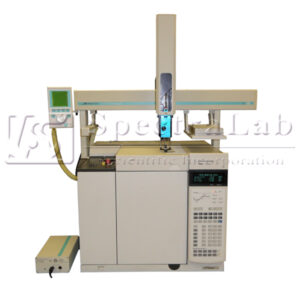
Agilent 6890 GC with FID/ECD or NPD, Agilent G1512A Controller and Agilent 6890 Auto Injector
Item ID: RefurbishedIn Stock -
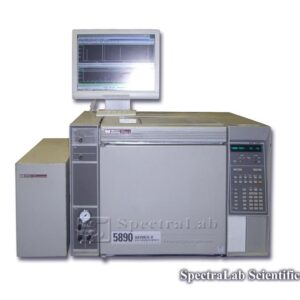
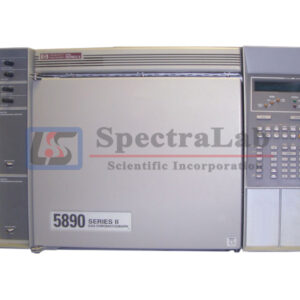
HP 5890 II GC with Dual FIDs, Split/splitless Inlet and Purged Packed Inlet
Item ID: RefurbishedIn Stock
Major and Trace Elements in Limestone and Lime
Overview
Limestone and lime are important industrial materials composed primarily of calcium carbonate (CaCO₃) and calcium oxide (CaO), respectively. In addition to their major constituents, these materials can contain various trace elements such as magnesium, iron, aluminum, manganese, and sodium, which influence their chemical reactivity, purity, and performance in applications like cement production, steelmaking, environmental treatment, and agriculture. Accurate determination of both major and trace elements is essential for quality control, process optimization, and compliance with product specifications or regulatory standards. Because these elements occur across a wide concentration range, analytical methods must provide both sensitivity and precision.
Test Methods
ASTM C1301-95
Solutions
Atomic Absorption Spectrophotometry (AA) is a reliable and widely used technique for determining major and trace elements in limestone and lime. In this method, samples are first digested or dissolved in appropriate acids to bring the elements into solution. The resulting solutions are then analyzed using flame or graphite furnace AA, depending on the concentration range of the target elements. Flame AA is typically used for major components such as calcium and magnesium, while Graphite Furnace AA (GFAAS) provides the enhanced sensitivity needed for trace elements. Modern AA instruments feature stable light sources, automated wavelength selection, and background correction systems, ensuring accurate and reproducible quantification of multiple elements in complex matrices like limestone and lime.
Featured AA
Discover a wide range of lab equipment from top manufacturers at SpectraLab. View all to find more AA equipment!
-
HP 5973 EI/CI MSD G1099A with 6890 Plus GC & CTC Analytics Combi PAL Autosampler
Item ID: RefurbishedIn StockPrice:$25000 USD
-
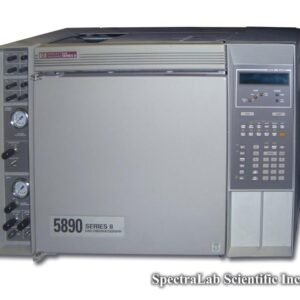
HP 5972 MSD with HP 5890 II GC, HP 7673B Autosampler, Data System and Rough Pump
Item ID: RefurbishedIn Stock
Hydrogen Peroxide (H₂O₂)
Overview
Hydrogen peroxide (H₂O₂) is a strong oxidizing agent widely used in industrial processes, environmental treatment, pharmaceuticals, and semiconductor manufacturing. It also occurs naturally as a reactive oxygen species in biological and environmental systems. Due to its instability and high reactivity, accurate quantification of H₂O₂ is important for process control, safety monitoring, and quality assurance. In environmental and biological samples, hydrogen peroxide often exists at trace levels and can decompose rapidly, making sensitive and selective analytical methods essential to ensure reliable measurement.
Test Methods
Solutions
High-Performance Liquid Chromatography with Electrochemical Detection (HPLC-ECD) provides a precise and highly sensitive approach for the determination of hydrogen peroxide. In this method, H₂O₂ is typically separated from other sample components using a suitable chromatographic column and detected electrochemically based on its oxidation potential at a working electrode. The ECD system offers exceptional selectivity and low detection limits, allowing accurate quantification of H₂O₂ in complex matrices without extensive sample preparation. Modern HPLC-ECD systems feature stable baseline performance, automated gradient control, and real-time data acquisition, ensuring reproducible results and high analytical sensitivity for trace-level hydrogen peroxide determination in diverse sample types.
Featured HPLC-ECD
Discover a wide range of lab equipment from top manufacturers at SpectraLab. View all to find more HPLC-ECD equipment!
-
Waters Alliance e2695 HPLC system with Waters 2489 UV/Vis Detector
Item ID: RefurbishedIn StockPrice:$18000 USD
-
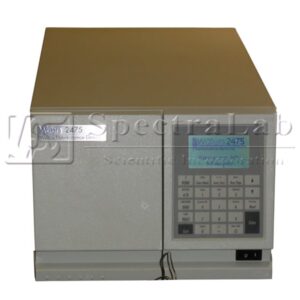
Waters Alliance 2695 HPLC System with 2420 ELSD, 2996 PDA, 2414 RID, 2475 FLD, 2489 UV/Vis, 2465 ECD
Item ID: RefurbishedIn Stock
Mercury Sampling and Measurement in Natural Gas
Overview
Mercury is a trace contaminant that can be present in natural gas due to geological and geochemical processes in gas reservoirs. Even at very low concentrations, mercury poses significant environmental, operational, and health risks. In natural gas processing and transportation, mercury can cause corrosion and damage to aluminum heat exchangers, catalysts, and other processing equipment. Additionally, its release into the environment during gas combustion or venting can lead to toxic exposure and regulatory non-compliance. Therefore, accurate sampling and measurement of mercury in natural gas are essential for process safety, equipment protection, and adherence to environmental standards.
Test Methods
ASTM D5954-98
Solutions
Atomic Absorption Spectrophotometry (AA) using the cold-vapor technique provides a highly sensitive and reliable method for mercury determination in natural gas samples. In this approach, mercury is first collected from the gas stream using gold amalgamation or adsorption on specific trapping media, followed by thermal desorption and quantification by AA at 253.7 nm. The cold-vapor technique offers exceptional selectivity and low detection limits, enabling precise measurement of mercury at parts-per-trillion (ppt) levels. Modern AA systems designed for mercury analysis incorporate automated sampling modules, stable light sources, and background correction features to ensure accuracy and reproducibility. These systems provide an effective solution for monitoring and controlling mercury contamination in natural gas operations.
Featured AA
Discover a wide range of lab equipment from top manufacturers at SpectraLab. View all to find more AA equipment!
-
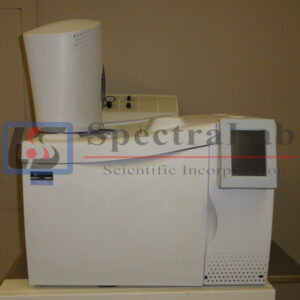
HP 5973 EI/CI MSD G1099A with 6890 Plus GC & CTC Analytics Combi PAL Autosampler
Item ID: RefurbishedIn StockPrice:$25000 USD
-
HP 5972 MSD with HP 5890 II GC, HP 7673B Autosampler, Data System and Rough Pump
Item ID: RefurbishedIn Stock
SpectraLab Scientific Inc
Established in 2003,
SpectraLab Scientific is a global leader of Refurbished analytical equipment. We specialize in reconditioning equipment, integrating the best available technologies from leading manufacturers across the industry. We are committed to quality and service, delivering strong customer satisfaction. We stock over 10,000 pre-owned lab equipment, components, and mix-and-match parts for your systems.