Water / Wastewater Organic Pollutants & Surfactants
Comprehensive analysis of organic pollutants, surfactants, and volatile organics in drinking water and wastewater to monitor treatment efficiency and water quality compliance.
Phenols
Overview
Phenols are a group of aromatic compounds that include simple phenol and substituted derivatives such as cresols, nitrophenols, and chlorophenols. They are widely used in industrial processes, including the production of resins, dyes, and pesticides, and can enter the environment through industrial discharges, leaching from waste, or incomplete combustion. Many phenols are toxic, persistent, and can affect both ecosystems and human health. Because they occur in a variety of chemical forms and concentrations, accurate analytical determination is necessary for environmental monitoring, pollution assessment, and regulatory compliance.
Test Methods
EPA Method 8041A
ASTM D6142-12 (by GC-FID)
Solutions
Gas chromatography (GC) coupled with flame ionization detection (FID) or electron capture detection (ECD) provides sensitive and reliable methods for the determination of phenols in environmental samples. Prior to GC analysis, phenols are often derivatized—commonly by silylation or acylation—to increase volatility and thermal stability. GC-FID is widely used for quantitative analysis due to its broad linear range and consistent response for most phenolic compounds. GC-ECD, on the other hand, offers enhanced sensitivity and selectivity for halogenated or nitro-substituted phenols, making it useful when trace-level detection is required.
Featured GC-FID and GC-ECD
Discover a wide range of lab equipment from top manufacturers at SpectraLab. View all to find more GC-FID and GC-ECD equipment!
-
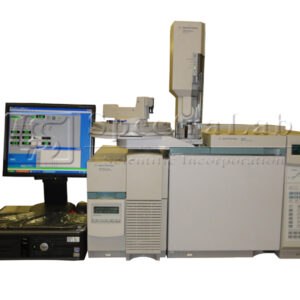
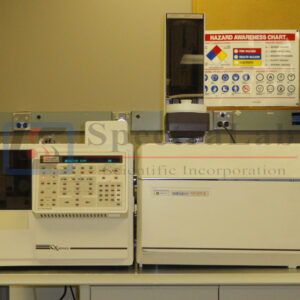
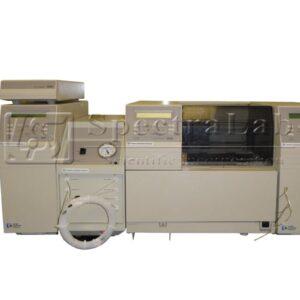
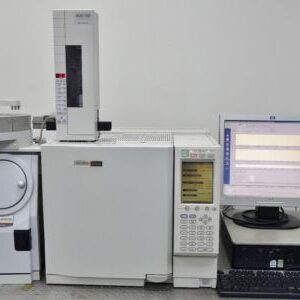
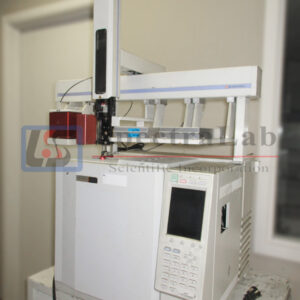
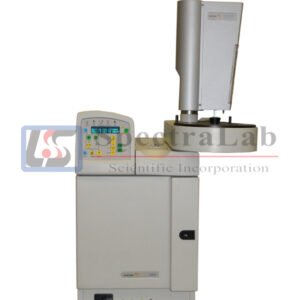
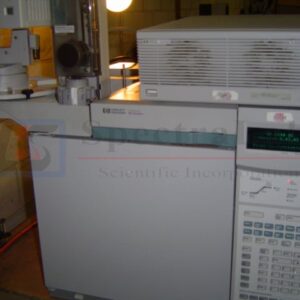
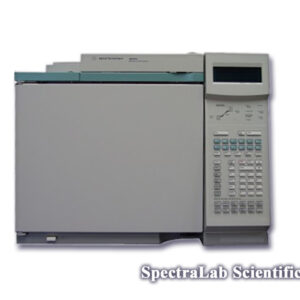
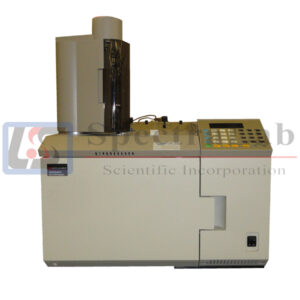
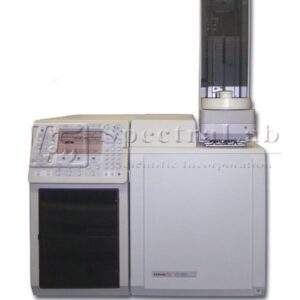
Agilent 6890 GC with FID/ECD or NPD, Agilent G1512A Controller and Agilent 6890 Auto Injector
Item ID: RefurbishedIn Stock
Phthalate Esters
Overview
Phthalate esters are a group of synthetic organic compounds commonly used as plasticizers to increase flexibility in materials such as PVC, coatings, adhesives, and personal care products. They can leach from consumer goods into the environment, leading to their widespread presence in soil, water, and air. Many phthalates are of environmental and health concern due to their potential endocrine-disrupting and reproductive effects. Because they occur at trace levels in complex matrices and may co-exist with other semi-volatile organic compounds, accurate and sensitive analytical methods are essential for their identification and quantification.
Test Methods
Solutions
Gas chromatography with electron capture detection (GC-ECD) provides a sensitive and selective method for determining phthalate esters in environmental and industrial samples. Samples are typically extracted using liquid–liquid extraction or solid-phase extraction (SPE), then cleaned to remove matrix interferences and prevent contamination. A non-polar capillary column, combined with optimized temperature programming, ensures good separation of individual phthalates. The ECD detector’s strong response to electronegative groups allows for trace-level detection, while calibration with internal standards ensures accuracy and reproducibility. Overall, GC-ECD offers a precise and efficient approach for monitoring phthalate esters.
Featured GC-ECD
Discover a wide range of lab equipment from top manufacturers at SpectraLab. View all to find more GC-ECD equipment!
Soil Quality – Selected Phthalates
Overview
Phthalates are a class of synthetic esters widely used as plasticizers to enhance flexibility and durability in polymers, coatings, and personal care products. Common examples include diethyl phthalate (DEP), di-n-butyl phthalate (DBP), and di(2-ethylhexyl) phthalate (DEHP). These compounds are environmentally persistent and can migrate from products into soil, water, and air. Due to their potential endocrine-disrupting properties and health risks, monitoring phthalate contamination has become an important focus of environmental and regulatory analysis. Accurate determination is essential, as phthalates often occur at low concentrations within complex sample
Test Methods
Solutions
Gas chromatography coupled with mass spectrometric detection (GC/MS) provides a highly sensitive and specific method for determining selected phthalates. Samples are typically extracted using liquid–liquid extraction or solid-phase extraction (SPE) and purified to remove interferences. A non-polar capillary column (e.g., 5% phenyl–95% methylpolysiloxane) offers effective separation of phthalate isomers. The mass spectrometer enables unambiguous identification through characteristic ion fragments and quantification using selected ion monitoring (SIM) mode for improved sensitivity. Method accuracy and precision are ensured through the use of internal standards, calibration curves, and rigorous quality control procedures. Overall, GC/MS provides robust, reproducible, and confirmatory analysis of phthalate esters in environmental and product testing.
Featured GC-MS
Discover a wide range of lab equipment from top manufacturers at SpectraLab. View all to find more GC-MS equipment!
-
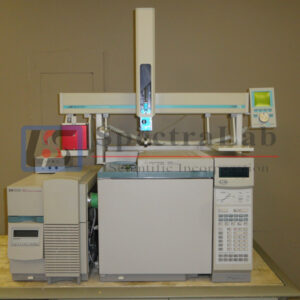
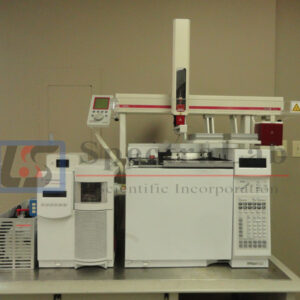
HP 5973 EI/CI MSD G1099A with 6890 Plus GC & CTC Analytics Combi PAL Autosampler
Item ID: RefurbishedIn StockPrice:$25000 USD
-
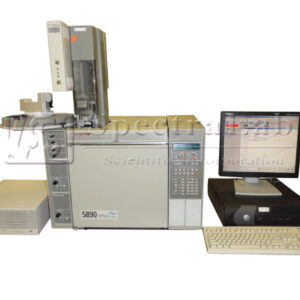
HP 5972 MSD with HP 5890 II GC, HP 7673B Autosampler, Data System and Rough Pump
Item ID: RefurbishedIn Stock
Nonylphenols (NP) and NP-mono and diethoxylates
Overview
Nonylphenols (NP) and their ethoxylated derivatives—nonylphenol monoethoxylates (NP1EO) and diethoxylates (NP2EO)—are degradation products of nonylphenol ethoxylates, which are widely used as surfactants in detergents, emulsifiers, and industrial cleaners. These compounds are environmentally significant due to their persistence, bioaccumulation potential, and endocrine-disrupting effects on aquatic and terrestrial organisms. They can enter soil through wastewater sludge application, industrial discharges, or runoff, making their accurate determination essential for assessing soil contamination and potential ecological risks.
Test Methods
Solutions
Gas chromatography coupled with mass spectrometric detection (GC-MS) provides a sensitive and selective method for determining nonylphenols and their ethoxylates in soil. Samples are typically extracted using solvent extraction or solid-phase extraction (SPE), followed by cleanup steps such as silica gel or florisil column purification to remove interferences. Prior to analysis, derivatization—commonly using silylation reagents—is performed to increase volatility and thermal stability of the analytes. A non-polar capillary GC column allows efficient separation of NP, NP1EO, and NP2EO, while the mass spectrometer provides compound identification and quantification through characteristic ion fragments and selected ion monitoring (SIM). Calibration with internal standards and the use of quality control samples ensure accuracy, precision, and reproducibility. Overall, GC-MS enables reliable and confirmatory analysis of nonylphenolic compounds in soil for environmental assessment and regulatory compliance.
Featured GC-MS
Discover a wide range of lab equipment from top manufacturers at SpectraLab. View all to find more GC-MS equipment!
-
HP 5973 EI/CI MSD G1099A with 6890 Plus GC & CTC Analytics Combi PAL Autosampler
Item ID: RefurbishedIn StockPrice:$25000 USD
-
HP 5972 MSD with HP 5890 II GC, HP 7673B Autosampler, Data System and Rough Pump
Item ID: RefurbishedIn Stock
Dioctyl Sulfosuccinate in Sea Water
Overview
Dioctyl sulfosuccinate (DOSS) is an anionic surfactant commonly used as a dispersing agent, wetting agent, and emulsifier in industrial and environmental applications. It gained particular attention as a major component of oil spill dispersants, such as those used in marine remediation efforts. Due to its surface-active properties and persistence, DOSS can remain in aquatic environments and may pose risks to marine organisms. Monitoring its concentration in seawater is essential for evaluating environmental impact, understanding dispersion behavior, and ensuring compliance with environmental quality standards.
Test Methods
Solutions
Liquid chromatography coupled with tandem mass spectrometry (LC/MS/MS) offers a highly sensitive and selective method for determining DOSS in seawater. Samples are typically filtered and extracted using solid-phase extraction (SPE) to concentrate the analyte and remove salts and organic interferences. Reversed-phase LC, often using a C18 column, provides effective separation, while the MS/MS detector identifies and quantifies DOSS based on specific precursor-to-product ion transitions under negative electrospray ionization (ESI−). Internal standards and matrix-matched calibration are employed to correct for matrix effects and ensure accuracy. This method provides excellent sensitivity, reproducibility, and specificity, making LC/MS/MS a robust tool for trace-level monitoring of DOSS in marine environments.
Featured LC
Discover a wide range of lab equipment from top manufacturers at SpectraLab. View all to find more LC equipment!
-
Waters HPLC system with 1525 Binary Pump, 717 Plus Autosampler, 2487 UV/Vis, 474 FLD or 2996 PDA
Item ID: RefurbishedIn StockPrice:$12000 USD
-
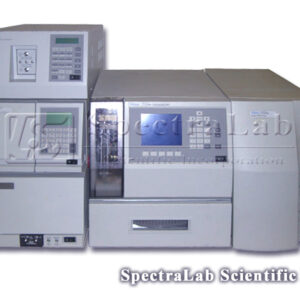
Waters Alliance 2690/2695 HPLC system with Waters 996 PDA
Item ID: RefurbishedIn StockPrice:$12000 USD
-
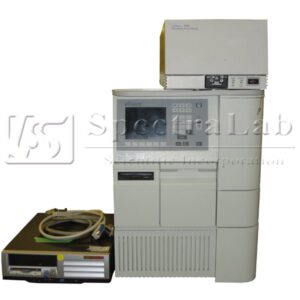
Varian ProStar Prep HPLC System with 345 UV/VIS Detector
Item ID: RefurbishedIn StockPrice:$8500 USD
-
Shimadzu VP Basic Manual HPLC with SPD-10A Uv/Vis Detector and LC-10AD pump
Item ID: RefurbishedIn Stock
Featured LC-MS-MS
Discover a wide range of lab equipment from top manufacturers at SpectraLab. View all to find more LC equipment!
-
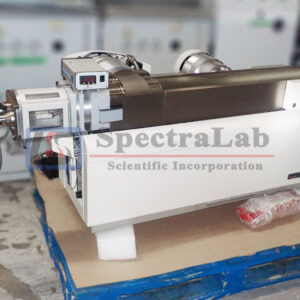
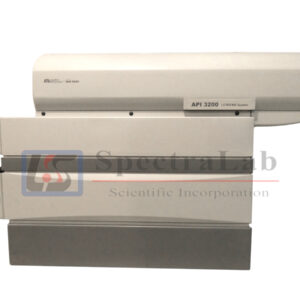
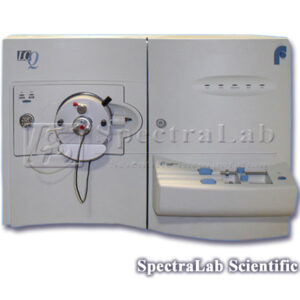
AB Sciex API 3000 LC/MS/MS System with Turbo Ionspray, & Turbo V Ion Source
Item ID: RefurbishedIn Stock -
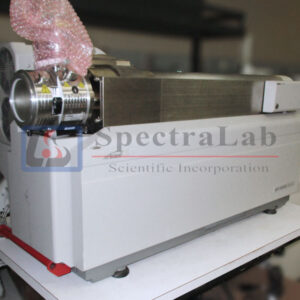
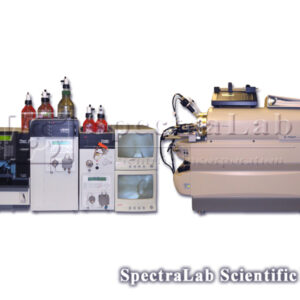
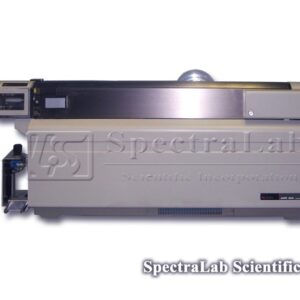
AB Sciex 2000 QTRAP LC/MS/MS with Nano Spray Probe (Video Cameras) and LC Packings Nano HPLC
Item ID: RefurbishedIn Stock
1,4-Dioxane in Drinking Water
Overview
1,4-Dioxane is a synthetic, highly soluble, and stable cyclic ether commonly used as a solvent, stabilizer, and byproduct in the manufacturing of plastics, pharmaceuticals, and personal care products. It is considered a probable human carcinogen and is persistent in the environment due to its resistance to biodegradation and volatilization. In drinking water, even trace concentrations of 1,4-dioxane are of concern because of its toxicity and potential health risks. Therefore, precise and sensitive analytical determination is essential for monitoring contamination and ensuring compliance with water quality regulations.
Test Methods
–
Solutions
Solid-phase extraction (SPE) followed by gas chromatography–mass spectrometry (GC-MS) provides a sensitive and reliable method for determining 1,4-dioxane in drinking water. In this approach, water samples are first passed through an SPE cartridge to concentrate the analyte and remove interfering compounds. The extract is then eluted with an appropriate solvent, often concentrated, and injected into the GC-MS system. A polar or intermediate-polarity capillary column provides effective separation, while the mass spectrometer identifies and quantifies 1,4-dioxane using characteristic ion fragments and selected ion monitoring (SIM) mode for enhanced sensitivity. Calibration with internal standards and the use of procedural blanks ensure accuracy and reproducibility. This method enables trace-level detection and reliable quantification of 1,4-dioxane in drinking water for environmental and regulatory monitoring.
Featured GC-MS
Discover a wide range of lab equipment from top manufacturers at SpectraLab. View all to find more GC-MS equipment!
-
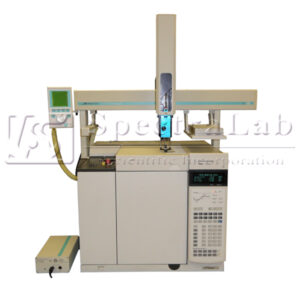
HP 5973 EI/CI MSD G1099A with 6890 Plus GC & CTC Analytics Combi PAL Autosampler
Item ID: RefurbishedIn StockPrice:$25000 USD
-
HP 5972 MSD with HP 5890 II GC, HP 7673B Autosampler, Data System and Rough Pump
Item ID: RefurbishedIn Stock
VOCs in Water
Overview
Volatile organic compounds (VOCs) are a diverse group of carbon-based chemicals that readily evaporate at ambient temperatures. Common examples include benzene, toluene, ethylbenzene, xylene (BTEX), trichloroethylene, and chloroform. These compounds are widely used as solvents, fuels, and industrial intermediates, and can contaminate water sources through spills, leaks, or improper waste disposal. Because many VOCs are toxic, carcinogenic, or environmentally persistent, accurate monitoring in drinking and environmental waters is essential to assess exposure risks and ensure regulatory compliance.
Test Methods
Solutions
Headspace gas chromatography coupled with mass spectrometric detection (Headspace-GC/MS) is a precise and efficient method for analyzing VOCs in water. In this technique, a sealed vial containing the water sample is equilibrated at a controlled temperature, allowing volatile compounds to partition into the gas phase. An aliquot of this headspace is automatically injected into the GC for separation on a non-polar capillary column. The mass spectrometer then identifies and quantifies VOCs based on their characteristic ion fragments, typically using selected ion monitoring (SIM) for improved sensitivity. This approach minimizes sample handling and solvent use while preventing analyte loss, providing high accuracy, reproducibility, and trace-level detection suitable for routine monitoring of VOCs in environmental and drinking water samples.
Featured Headspace-GC/MS
Discover a wide range of lab equipment from top manufacturers at SpectraLab. View all to find more GC-MS equipment!
-
HP 5973 EI/CI MSD G1099A with 6890 Plus GC & CTC Analytics Combi PAL Autosampler
Item ID: RefurbishedIn StockPrice:$25000 USD
Total Hydrocarbons in Water
Overview
Total hydrocarbons (THCs) in water include a wide range of aliphatic and aromatic organic compounds derived from petroleum products, industrial discharges, and natural sources. These compounds are important indicators of oil contamination and overall organic pollution in aquatic environments. Elevated levels of hydrocarbons can harm aquatic life, affect water quality, and indicate leaks or spills from fuel storage and transport systems. Monitoring total hydrocarbons in water is therefore essential for environmental protection, pollution assessment, and regulatory compliance.
Test Methods
ISO 9377-2
Solutions
Gas chromatography with flame ionization detection (GC-FID) is a robust and widely used method for determining total hydrocarbons in water. Water samples are typically extracted using an organic solvent such as n-hexane or dichloromethane to isolate the hydrocarbon fraction. The extract is then concentrated and injected into the GC system, where hydrocarbons are separated on a non-polar capillary column. The FID detector responds proportionally to the number of carbon atoms, providing a sensitive and linear response across a wide concentration range. Calibration with standard hydrocarbon mixtures ensures accurate quantification. This method offers excellent reproducibility, reliability, and simplicity for routine monitoring of hydrocarbon contamination in environmental and industrial water samples.
Featured GC-FID
Discover a wide range of lab equipment from top manufacturers at SpectraLab. View all to find more GC-FID equipment!
-
Agilent 6890 GC with FID/ECD or NPD, Agilent G1512A Controller and Agilent 6890 Auto Injector
Item ID: RefurbishedIn Stock -
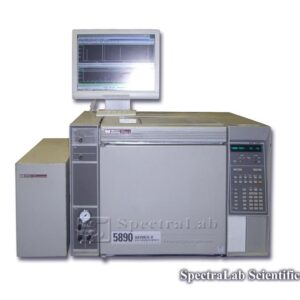
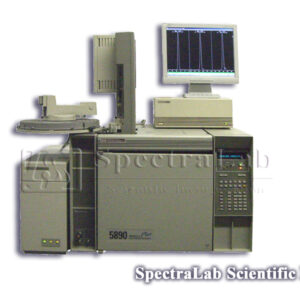
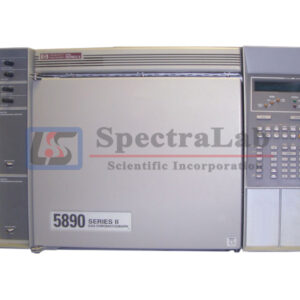
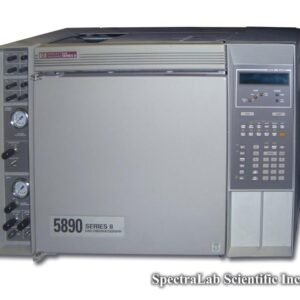
HP 5890 II GC with Dual FIDs, Split/splitless Inlet and Purged Packed Inlet
Item ID: RefurbishedIn Stock
Odors in Drinking Water
Overview
Odorous compounds in drinking water can originate from natural biological activity, industrial pollution, or treatment byproducts. Common odor-causing compounds include geosmin, 2-methylisoborneol (2-MIB), and various aldehydes, ketones, and sulfur-containing organics. Even at extremely low concentrations, these compounds can produce noticeable taste and odor issues, leading to consumer complaints and potential public concern. Accurate identification and quantification of odor-causing compounds are essential for water utilities to assess source water quality, optimize treatment processes, and maintain consumer confidence.
Test Methods
Solutions
Solid-phase microextraction (SPME) coupled with gas chromatography–mass spectrometry (GC/MS) provides a sensitive, solvent-free technique for analyzing trace-level odor compounds in drinking water. In this method, a coated SPME fiber is exposed to the sample or its headspace, where it adsorbs volatile and semi-volatile compounds. The fiber is then thermally desorbed in the GC injector, releasing the analytes for separation on a capillary column. The mass spectrometer identifies and quantifies compounds based on their characteristic ion fragments, often using selected ion monitoring (SIM) for improved sensitivity. This approach minimizes sample handling, reduces contamination risk, and allows detection of odorants at sub-ng/L levels. Overall, SPME-GC/MS is an efficient, reproducible, and environmentally friendly method for routine monitoring of taste and odor compounds in drinking water.
Featured GC-MS
Discover a wide range of lab equipment from top manufacturers at SpectraLab. View all to find more GC-MS equipment!
-
HP 5973 EI/CI MSD G1099A with 6890 Plus GC & CTC Analytics Combi PAL Autosampler
Item ID: RefurbishedIn StockPrice:$25000 USD
-
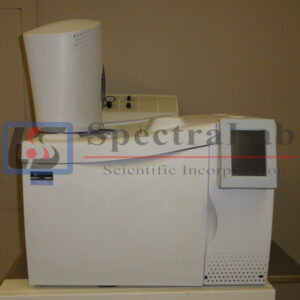
HP 5972 MSD with HP 5890 II GC, HP 7673B Autosampler, Data System and Rough Pump
Item ID: RefurbishedIn Stock
SpectraLab Scientific Inc
Established in 2003,
SpectraLab Scientific is a global leader of Refurbished analytical equipment. We specialize in reconditioning equipment, integrating the best available technologies from leading manufacturers across the industry. We are committed to quality and service, delivering strong customer satisfaction. We stock over 10,000 pre-owned lab equipment, components, and mix-and-match parts for your systems.