Additives and Preservatives
Analysis of food additives and preservatives to ensure formulation accuracy, product stability, and compliance with safety and labeling regulations.
Green Tea Extracts (Catechins)
Overview
Green tea (Camellia sinensis) is known for its high concentration of catechins, a group of polyphenolic compounds that contribute to its antioxidant, antimicrobial, and metabolic health benefits. The major catechins—epigallocatechin gallate (EGCG), epigallocatechin (EGC), epicatechin gallate (ECG), and epicatechin (EC)—serve as key indicators of product quality and potency. Their quantification is essential for standardizing green tea extracts, assessing the impact of processing and storage, and ensuring consistency across nutraceutical and functional food formulations.
Test Methods
Solutions
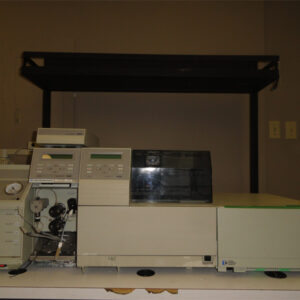
High-Performance Liquid Chromatography with Ultraviolet detection (HPLC-UV) is a highly effective method for the separation and quantification of catechins in green tea extracts. The analysis typically employs a reversed-phase C18 column with gradient elution using aqueous acidified solvents and acetonitrile or methanol as the mobile phase. Catechins are detected at approximately 280 nm, where they exhibit strong UV absorbance. HPLC-UV offers high precision, reproducibility, and linear response over a wide concentration range. This method enables accurate profiling of individual catechins and total polyphenolic content, supporting quality control, research on bioactive compounds, and verification of label claims in tea and related products.
Featured HPLC-UV
Discover a wide range of lab equipment from top manufacturers at SpectraLab. View all to find more HPLC-UV equipment!
-
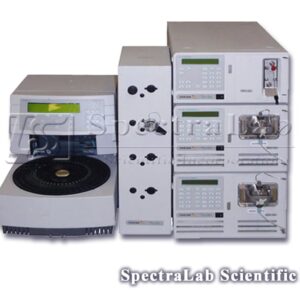
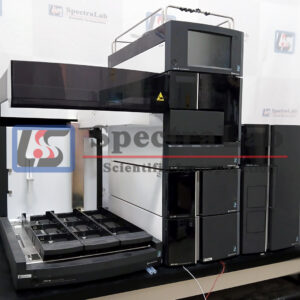
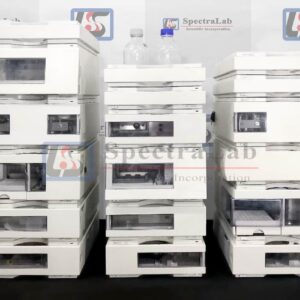
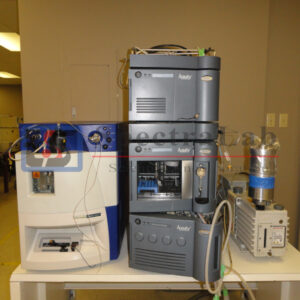
Waters Acquity UPLC System with ACQUITY UPLC TUV Detector, PDA Detector,FLR Detector
Item ID: RefurbishedIn Stock -
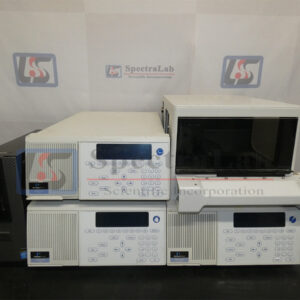
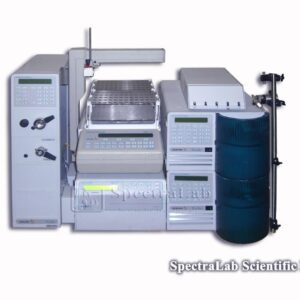
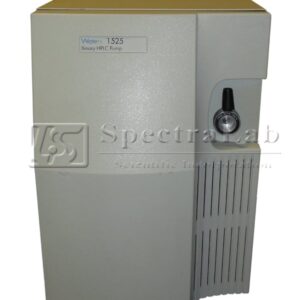
Waters HPLC system with 1525 Binary Pump, 717 Plus Autosampler, 2487 UV/Vis, 474 FLD or 2996 PDA
Item ID: RefurbishedIn StockPrice:$12000 USD
-
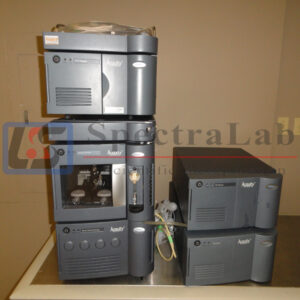
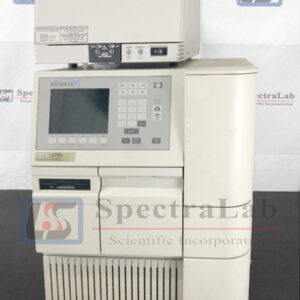
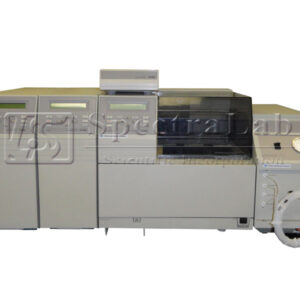
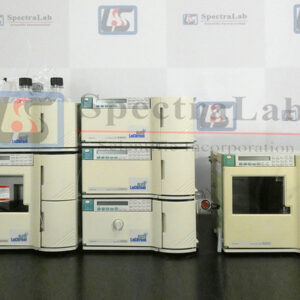
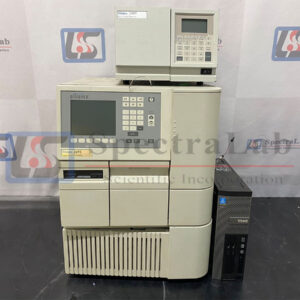
Waters Alliance 2690/2695 HPLC system with Waters 996 PDA
Item ID: RefurbishedIn StockPrice:$12000 USD
-
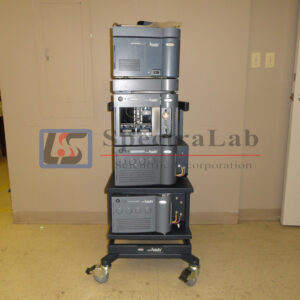
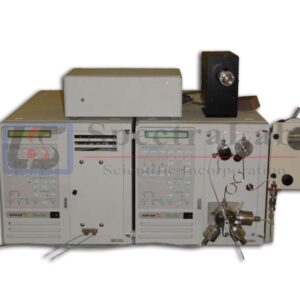
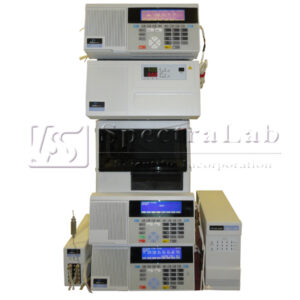
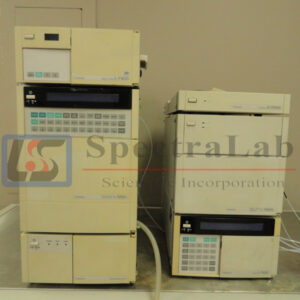
Varian ProStar Prep HPLC System with 345 UV/VIS Detector
Item ID: RefurbishedIn StockPrice:$8500 USD
-
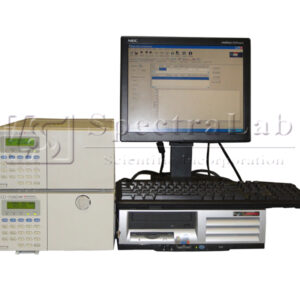
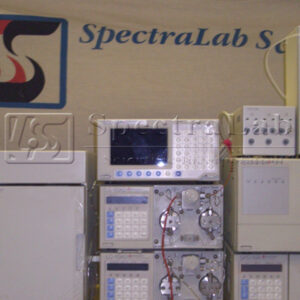
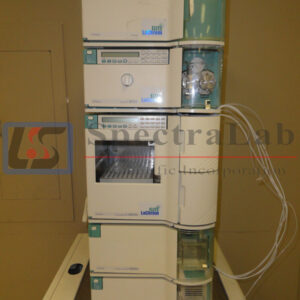
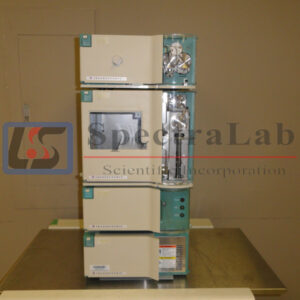
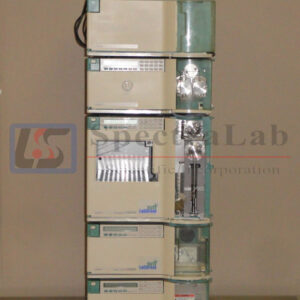
Shimadzu VP Basic Manual HPLC with SPD-10A Uv/Vis Detector and LC-10AD pump
Item ID: RefurbishedIn Stock
-
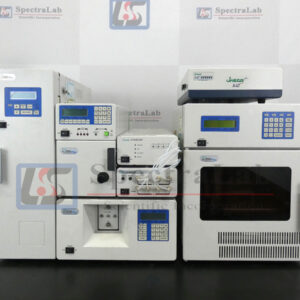
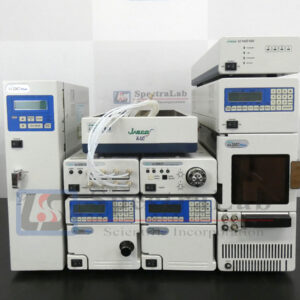
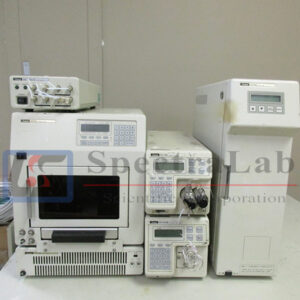
Jasco LC-2000Plus HPLC System with FP-2020Plus Intelligent Fluorescence Detector
Item ID: RefurbishedIn Stock -
Jasco LC-2000Plus HPLC System with UV-2075Plus Intelligent UV-Vis Detector
Item ID: RefurbishedIn Stock
-
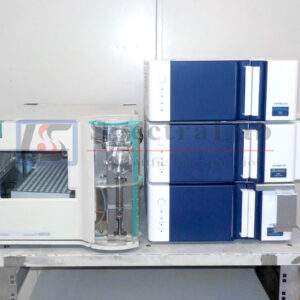
Hitachi Chromaster HPLC System, includes 5430 DAD, 5310 Column Oven, 5160 Pump, and Autosampler
Item ID: RefurbishedOn Backorder
Natural Active Spice Ingredients (Capsaicin, Piperine, Thymol)
Overview
Natural active compounds such as capsaicin, piperine, and thymol are key bioactive ingredients found in spices including chili peppers, black pepper, and thyme. These compounds contribute to characteristic flavor, aroma, and physiological effects such as antioxidant and anti-inflammatory properties. Accurate quantification of these actives is essential for ensuring product consistency, potency, and quality in food, nutraceutical, and pharmaceutical formulations.
Test Methods
Solutions
Gas Chromatography–Tandem Mass Spectrometry (GC-MS/MS) and High-Performance Liquid Chromatography with Ultraviolet detection (HPLC-UV) provide complementary analytical approaches for the identification and quantification of capsaicin, piperine, and thymol. GC-MS/MS enables sensitive detection of volatile and semi-volatile compounds like thymol with excellent selectivity through characteristic ion transitions, while HPLC-UV is ideal for thermally labile or nonvolatile compounds such as capsaicin and piperine, detected at specific UV absorbance wavelengths. Together, these methods deliver high precision, sensitivity, and reproducibility, supporting comprehensive profiling and quality control of spice extracts and natural product formulations.
Featured HPLC-UV
Discover a wide range of lab equipment from top manufacturers at SpectraLab. View all to find more HPLC-UV equipment!
-
Waters Acquity UPLC System with ACQUITY UPLC TUV Detector, PDA Detector,FLR Detector
Item ID: RefurbishedIn Stock -
Waters HPLC system with 1525 Binary Pump, 717 Plus Autosampler, 2487 UV/Vis, 474 FLD or 2996 PDA
Item ID: RefurbishedIn StockPrice:$12000 USD
-
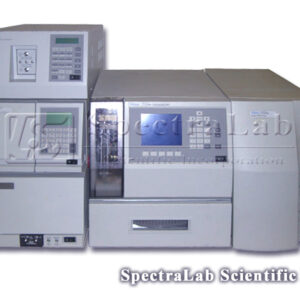
Waters Alliance 2690/2695 HPLC system with Waters 996 PDA
Item ID: RefurbishedIn StockPrice:$12000 USD
-
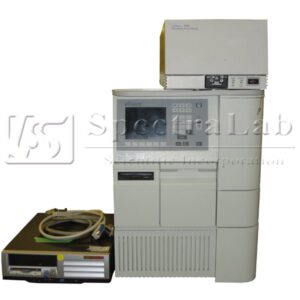
Varian ProStar Prep HPLC System with 345 UV/VIS Detector
Item ID: RefurbishedIn StockPrice:$8500 USD
-
Shimadzu VP Basic Manual HPLC with SPD-10A Uv/Vis Detector and LC-10AD pump
Item ID: RefurbishedIn Stock
-
Jasco LC-2000Plus HPLC System with FP-2020Plus Intelligent Fluorescence Detector
Item ID: RefurbishedIn Stock -
Jasco LC-2000Plus HPLC System with UV-2075Plus Intelligent UV-Vis Detector
Item ID: RefurbishedIn Stock
-
Hitachi Chromaster HPLC System, includes 5430 DAD, 5310 Column Oven, 5160 Pump, and Autosampler
Item ID: RefurbishedOn Backorder
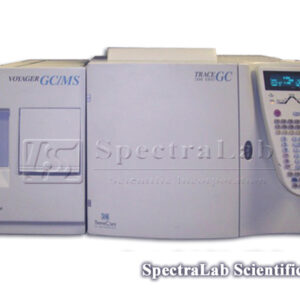
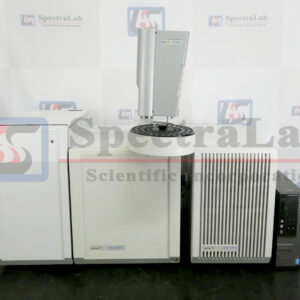
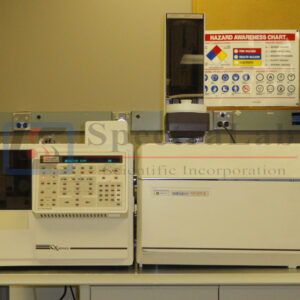
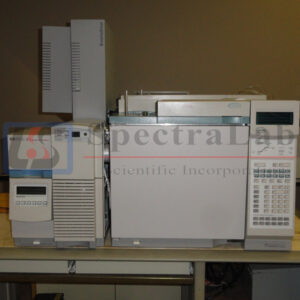
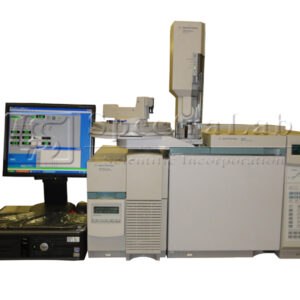
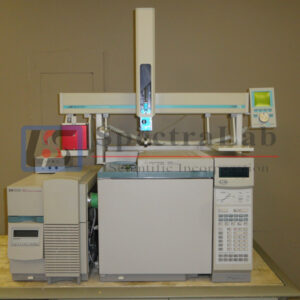
Featured GC-MS
Discover a wide range of lab equipment from top manufacturers at SpectraLab. View all to find more GC-MS equipment!
Flavor/Fragrance Analysis
Overview
Flavor and fragrance compounds are complex mixtures of volatile organic molecules that define the sensory characteristics of food, beverages, cosmetics, and perfumes. Accurate identification and quantification of these compounds are essential for product formulation, quality control, and authentication. Because these matrices often contain hundreds of overlapping components, rapid and high-resolution analytical methods are required to deliver both speed and precision in volatile profiling.
Test Methods
Solutions
Fast Gas Chromatography–Mass Spectrometry (Fast GC-MS) provides an advanced approach for the analysis of volatile and semi-volatile compounds in flavor and fragrance formulations. Using short, narrow-bore capillary columns and optimized temperature programming, Fast GC-MS significantly reduces run time while maintaining excellent chromatographic resolution. The mass spectrometer enables molecular identification through characteristic fragmentation patterns, allowing comprehensive profiling of aroma-active compounds, essential oils, and additives. This technique delivers high sensitivity, reproducibility, and throughput, making it ideal for rapid quality assurance, product development, and authenticity verification in the flavor and fragrance industry.
Featured GC-MS
Discover a wide range of lab equipment from top manufacturers at SpectraLab. View all to find more GC-MS equipment!
-
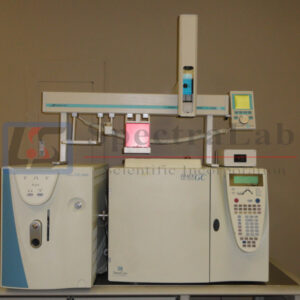
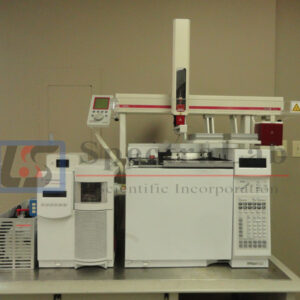
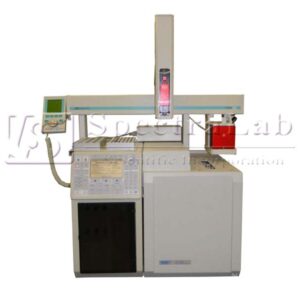
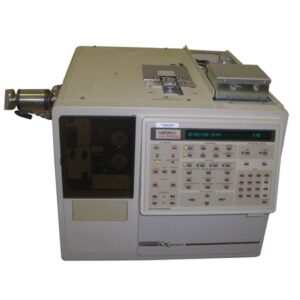
HP 5973 EI/CI MSD G1099A with 6890 Plus GC & CTC Analytics Combi PAL Autosampler
Item ID: RefurbishedIn StockPrice:$25000 USD
-
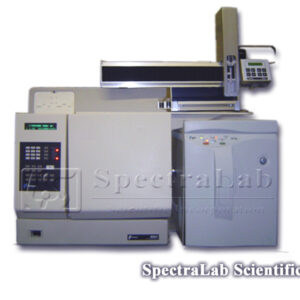
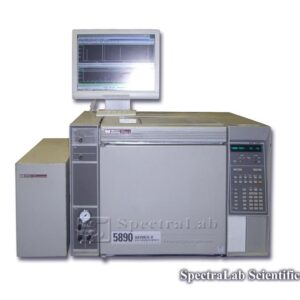
HP 5972 MSD with HP 5890 II GC, HP 7673B Autosampler, Data System and Rough Pump
Item ID: RefurbishedIn Stock
Soft Drink Additives
Overview
Soft drink formulations often contain a variety of additives such as preservatives, artificial sweeteners, colorants, and flavor enhancers to maintain stability, taste, and appearance. Monitoring these components is essential for ensuring product quality, consistency, and compliance with food safety regulations. Accurate analysis helps verify labeling claims and detect deviations in formulation during production or storage.
Test Methods
–
Solutions
High-Performance Liquid Chromatography with Ultraviolet detection (HPLC-UV) provides a precise and efficient method for the analysis of additives in soft drink samples. Using reversed-phase chromatography, additives such as benzoates, sorbates, aspartame, and caffeine can be effectively separated and quantified at their characteristic UV absorbance wavelengths. The technique offers high sensitivity, reproducibility, and selectivity, allowing simultaneous multi-component analysis. HPLC-UV is widely used for quality control, regulatory compliance, and formulation verification in the beverage industry.
Featured HPLC-UV
Discover a wide range of lab equipment from top manufacturers at SpectraLab. View all to find more HPLC-UV equipment!
-
Waters Acquity UPLC System with ACQUITY UPLC TUV Detector, PDA Detector,FLR Detector
Item ID: RefurbishedIn Stock -
Waters HPLC system with 1525 Binary Pump, 717 Plus Autosampler, 2487 UV/Vis, 474 FLD or 2996 PDA
Item ID: RefurbishedIn StockPrice:$12000 USD
-
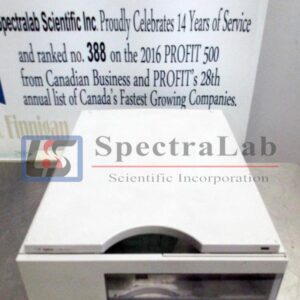
Waters Alliance 2690/2695 HPLC system with Waters 996 PDA
Item ID: RefurbishedIn StockPrice:$12000 USD
-
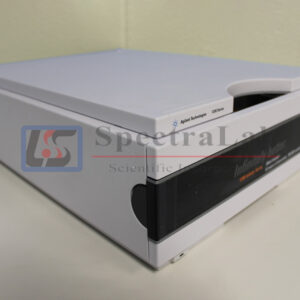
Varian ProStar Prep HPLC System with 345 UV/VIS Detector
Item ID: RefurbishedIn StockPrice:$8500 USD
-
Shimadzu VP Basic Manual HPLC with SPD-10A Uv/Vis Detector and LC-10AD pump
Item ID: RefurbishedIn Stock
-
Jasco LC-2000Plus HPLC System with FP-2020Plus Intelligent Fluorescence Detector
Item ID: RefurbishedIn Stock -
Jasco LC-2000Plus HPLC System with UV-2075Plus Intelligent UV-Vis Detector
Item ID: RefurbishedIn Stock
-
Hitachi Chromaster HPLC System, includes 5430 DAD, 5310 Column Oven, 5160 Pump, and Autosampler
Item ID: RefurbishedOn Backorder
Egg Yolk Phospholipids
Overview
Egg yolk phospholipids, including phosphatidylcholine, phosphatidylethanolamine, and lysophospholipids, are essential bioactive lipids with nutritional and functional significance. They contribute to cell membrane structure, emulsifying properties, and health benefits such as supporting brain and cardiovascular function. Quantitative and qualitative analysis of these phospholipids is crucial for food science research, nutritional labeling, and quality control of egg-derived products and supplements.
Test Methods
Solutions
High-Performance Liquid Chromatography (HPLC) provides a robust and accurate method for the separation and quantification of phospholipids in egg yolk. Using a normal-phase or reversed-phase column, phospholipid classes can be effectively separated based on polarity and molecular interactions. Detection is typically performed using an evaporative light scattering detector (ELSD), UV detector, or mass spectrometer, depending on analytical requirements. HPLC offers excellent resolution, reproducibility, and sensitivity, enabling precise characterization of individual phospholipid species for quality assessment, formulation development, and nutritional studies.
Featured HPLC
Discover a wide range of lab equipment from top manufacturers at SpectraLab. View all to find more HPLC equipment!
-
Shimadzu HPLC System with LC-10AD pump, SIL-10AXL Autoinjector and SPD-10A UV/vis Detector
Item ID: RefurbishedIn Stock
Additives and Preservatives in Beverages
Overview
Additives and preservatives are commonly used in beverages to enhance flavor, color, and shelf life while preventing microbial growth. Ensuring that their concentrations remain within regulatory limits is essential for product safety, quality, and labeling accuracy. Routine monitoring of these compounds supports compliance with food safety standards and helps maintain consistency in beverage production.
Test Methods
Solutions
Isocratic High-Performance Liquid Chromatography (HPLC) provides a simple, precise, and cost-effective method for the determination of additives and preservatives in beverage samples. Using a reversed-phase C18 column and a fixed mobile phase composition, compounds such as benzoic acid, sorbic acid, aspartame, and caffeine can be efficiently separated and detected by UV absorbance. The method offers excellent reproducibility, linearity, and ease of operation, making it ideal for routine quality control and regulatory compliance testing in beverage manufacturing and food safety laboratories.
Featured HPLC
Discover a wide range of lab equipment from top manufacturers at SpectraLab. View all to find more HPLC equipment!
-
Shimadzu HPLC System with LC-10AD pump, SIL-10AXL Autoinjector and SPD-10A UV/vis Detector
Item ID: RefurbishedIn Stock
Derivatization of Corn Oil (formulation)
Overview
Corn oil is a widely used edible oil composed primarily of triglycerides containing various fatty acids such as linoleic, oleic, palmitic, and stearic acids. To accurately characterize its fatty acid composition, derivatization is required to convert nonvolatile fatty acids into volatile methyl esters suitable for gas chromatographic analysis. This process is essential for nutritional profiling, quality control, and authentication of edible oils and related food products.
Test Methods
Solutions
Gas Chromatography with Flame Ionization Detection (GC-FID) is a standard and reliable technique for analyzing fatty acid methyl esters (FAMEs) derived from corn oil. In this procedure, the oil sample undergoes derivatization—commonly through transesterification using methanolic sodium hydroxide or boron trifluoride—to produce FAMEs. The GC system then separates these esters based on chain length and degree of unsaturation, while the FID provides sensitive and quantitative detection. GC-FID offers excellent resolution, reproducibility, and linearity, making it ideal for determining fatty acid profiles and verifying the quality and authenticity of corn oil and other edible fats.
Featured GC-FID
Discover a wide range of lab equipment from top manufacturers at SpectraLab. View all to find more GC-FID equipment!
-
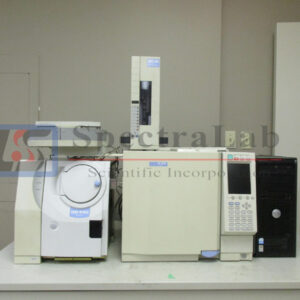
Agilent 6890 GC with FID/ECD or NPD, Agilent G1512A Controller and Agilent 6890 Auto Injector
Item ID: RefurbishedIn Stock -
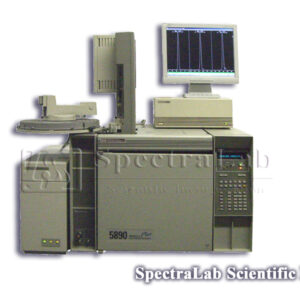
HP 5890 II GC with Dual FIDs, Split/splitless Inlet and Purged Packed Inlet
Item ID: RefurbishedIn Stock
Extraction and Derivatization of Vegetable Oils and Fats
Overview
Vegetable oils and animal fats are sometimes encountered as potential accelerants or residues in fire debris and liquid samples. Their identification can help distinguish between accidental sources and intentional use in fire investigations. Because these materials undergo thermal degradation during combustion, specialized analytical methods are needed to extract, derivatize, and accurately identify the resulting complex mixtures of fatty acid derivatives.
Test Methods
Solutions
The Standard Test Method for Extraction and Derivatization of Vegetable Oils and Fats from Fire Debris and Liquid Samples with Analysis by Gas Chromatography–Mass Spectrometry (GC-MS) provides a validated approach for detecting and characterizing lipid-based residues in forensic samples. The procedure involves solvent extraction followed by chemical derivatization—typically methylation—to convert fatty acids into volatile fatty acid methyl esters (FAMEs). These derivatives are then separated by gas chromatography and identified by mass spectrometry using characteristic ion fragmentation patterns. GC-MS delivers high specificity, sensitivity, and reproducibility, enabling forensic analysts to identify the presence and source of oils or fats even in complex, fire-altered matrices.
Featured GC-MS
Discover a wide range of lab equipment from top manufacturers at SpectraLab. View all to find more GC-MS equipment!
-
HP 5973 EI/CI MSD G1099A with 6890 Plus GC & CTC Analytics Combi PAL Autosampler
Item ID: RefurbishedIn StockPrice:$25000 USD
-
HP 5972 MSD with HP 5890 II GC, HP 7673B Autosampler, Data System and Rough Pump
Item ID: RefurbishedIn Stock
Carbohydrates in Lemonade
Overview
Carbohydrates such as sucrose, glucose, and fructose are key components in lemonade and other beverages, contributing to sweetness, flavor balance, and caloric content. Monitoring sugar composition is essential for verifying labeling claims, maintaining product consistency, and ensuring compliance with nutritional standards. Accurate carbohydrate analysis also supports quality control during production and shelf-life evaluation.
Test Methods
Solutions
High-Performance Liquid Chromatography (HPLC) provides a precise and reliable method for the separation and quantification of carbohydrates in lemonade. Using a carbohydrate analysis column—often an amino or ion-exchange column—and a refractive index (RI) or evaporative light scattering detector (ELSD), sugars can be effectively separated and quantified without the need for derivatization. The method offers high accuracy, reproducibility, and resolution, allowing simultaneous determination of multiple sugars. HPLC is ideal for quality control, product development, and nutritional analysis in beverage manufacturing.
Featured HPLC
Discover a wide range of lab equipment from top manufacturers at SpectraLab. View all to find more HPLC equipment!
-
Shimadzu HPLC System with LC-10AD pump, SIL-10AXL Autoinjector and SPD-10A UV/vis Detector
Item ID: RefurbishedIn Stock
Sugars in Brewery Malt Extract
Overview
Brewery malt extract contains a complex mixture of fermentable and non-fermentable sugars, including glucose, fructose, maltose, and maltotriose, which play a crucial role in fermentation efficiency, flavor development, and beer quality. Accurate quantification of these sugars is essential for monitoring wort composition, optimizing brewing processes, and ensuring product consistency across production batches.
Test Methods
Solutions
High-Performance Liquid Chromatography (HPLC) offers a precise and reliable method for analyzing sugar profiles in malt extracts. Using a carbohydrate analysis column—typically an amino-bonded silica or ion-exchange column—and a refractive index (RI) or evaporative light scattering detector (ELSD), individual sugars are separated based on polarity and molecular size. This method provides excellent reproducibility, sensitivity, and resolution, enabling accurate determination of key fermentable sugars. HPLC analysis supports process optimization, quality assurance, and consistency in malt extract and brewing product development.
Featured HPLC
Discover a wide range of lab equipment from top manufacturers at SpectraLab. View all to find more HPLC equipment!
-
Shimadzu HPLC System with LC-10AD pump, SIL-10AXL Autoinjector and SPD-10A UV/vis Detector
Item ID: RefurbishedIn Stock
Melamine and Cyanuric Acid in Milk
Overview
Melamine and cyanuric acid are nitrogen-rich industrial chemicals that have been illicitly used to falsify protein content in milk and other food products. When present together, these compounds can form insoluble crystals that cause renal toxicity, making their detection critical for food safety and regulatory compliance. Accurate quantification of melamine and cyanuric acid in milk is essential to ensure product integrity, consumer protection, and adherence to international food safety standards.
Test Methods
Solutions
Liquid Chromatography–Mass Spectrometry (LC-MS/MS) provides a highly sensitive and specific method for the detection and quantification of melamine and cyanuric acid in milk and dairy products. The method involves sample extraction and cleanup, often using solid-phase extraction (SPE), followed by chromatographic separation under reversed-phase or hydrophilic interaction (HILIC) conditions. Tandem mass spectrometry allows precise identification and quantification based on unique precursor-to-product ion transitions. LC-MS/MS delivers excellent selectivity, low detection limits, and high reproducibility, making it the preferred technique for regulatory testing, quality assurance, and food contamination investigations.
Featured LC-MS
Discover a wide range of lab equipment from top manufacturers at SpectraLab. View all to find more LC-MS equipment!
-
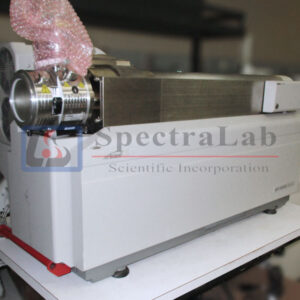
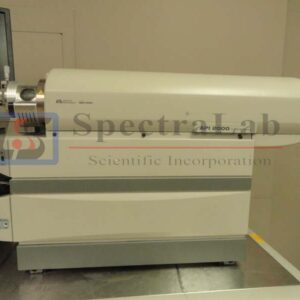
AB Sciex API 3000 LC/MS/MS with Agilent Technologies Turbo V 551 Navigator
Item ID: RefurbishedIn Stock
Native Patulin in Apple Juice and Cider
Overview
Patulin is a mycotoxin produced by certain Penicillium and Aspergillus species that can contaminate apples and apple-derived products such as juice and cider. As a potential health hazard with mutagenic and immunotoxic effects, its concentration is strictly regulated by international food safety authorities. Accurate determination of patulin levels in fruit products is therefore essential for ensuring consumer safety, regulatory compliance, and quality assurance in beverage production.
Test Methods
Solutions
Gas Chromatography–Mass Spectrometry (GC-MS) provides a sensitive and specific method for the detection and quantification of native patulin in apple juice and cider. Samples typically undergo liquid-liquid extraction or solid-phase extraction (SPE) for cleanup prior to GC analysis. The chromatographic system separates patulin from other organic matrix components, while the mass spectrometer identifies and quantifies it based on characteristic mass-to-charge ratios and fragmentation patterns. GC-MS offers high accuracy, low detection limits, and excellent reproducibility, making it a reliable technique for routine quality control, contamination monitoring, and regulatory testing of fruit-based beverages.
Featured GC-MS
Discover a wide range of lab equipment from top manufacturers at SpectraLab. View all to find more GC-MS equipment!
-
HP 5973 EI/CI MSD G1099A with 6890 Plus GC & CTC Analytics Combi PAL Autosampler
Item ID: RefurbishedIn StockPrice:$25000 USD
-
HP 5972 MSD with HP 5890 II GC, HP 7673B Autosampler, Data System and Rough Pump
Item ID: RefurbishedIn Stock
SpectraLab Scientific Inc
Established in 2003,
SpectraLab Scientific is a global leader of Refurbished analytical equipment. We specialize in reconditioning equipment, integrating the best available technologies from leading manufacturers across the industry. We are committed to quality and service, delivering strong customer satisfaction. We stock over 10,000 pre-owned lab equipment, components, and mix-and-match parts for your systems.