Skip to content

🇺🇸 Spectralab Scientific Expands to the U.S.! 🇺🇸 Dismiss

info@spectralabsci.com
+1 905-946-8066 | N/A Toll Free: +1 886-777-3688
My Account
SpectraLab Scientific Inc.
  • Product
    All LC System & Parts
    LC Systems

    High-Performance Liquid Chromatography

    IC Systems

    Ion Chromatography

    LC Components
    • Detectors
    • Autosamplers
    • Pumps
    • Degassers
    • Column Compartments
    • Fraction Collectors
    • Others

    LC-MS

    Liquid Chromatography-Mass Spectrometry

    FPLC

    Fast Protein Liquid Chromatography

    LC Parts

    • LC Columns
    • Agilent parts
    • Thermo parts
    • Waters parts
    • Shimadzu parts
    • Other
    All GC System & Parts

    GC systems

    Gas Chromatography

    microGCs​ (/ μGC)

    Micro Gas Chromatography

    Autosamplers

    HPLC, GC, MS, ICP, TOC and more

    GC-MS

    Gas Chromatography-Mass Spectrometry

    Purge and Trap

    GC Parts

    GC columns and parts

    All Spectroscopy System & Parts

    FTIR

    Fourier Transform Infrared Spectroscopy

    UV-Vis

    Ultraviolet–Visible spectrophotometry

    ICP-MS

    Inductively Coupled Plasma-Mass Spectrometry

    AAS

    Atomic Absorption Spectroscopy

    ICP

    Inductively Coupled Plasma

    Spectroscopy Accessories

    Other Spectrometer

    All MS Systems & Parts

    LC-MS or LC-MS/MS

    Liquid Chromatography-Mass Spectrometer/MS

    GC-MS or GC-MS/MS

    Gas Chromatography-Mass Spectrometer/MS

    ICP-MS

    Inductively Coupled Plasma-Mass Spectrometry

    TOF-MS

    Time-of-Flight Mass Spectrometry

    QTOF-MS

    Time-of-Flight Mass Spectrometry

    MS Parts

    Mass Spectrometers parts, accessories

    MS Pumps

    Consumables Product Coming Soon

    Columns

    HPLC columns | GC columns

    Sample Preparation

    Syringes | Filters | SPE catridges | QuEChERS Kits

    Vials, Plates, and Certified Containers

    Vials | Caps | Microplates | Containers

    Other Products

    Total Organic Carbon

    Dissolution Systems

    Chillers & Coolers

    Analytical Balances

    Gas Generators

    Agilent logo.
    Waters logo.
    Shimadzu logo.
    Thermo Fisher Scientific logo.
    Perkin Emler logo.
    Close-up view of advanced laboratory instrumentation with interconnected components and control systems.
    Shop all products
  • Services

    Categories

    Service Options

    Repair Service
    Qualification
    Service Contracts
    Warranty
    Installation & Training
    Maintenance
    Method Development
    Analytical Testing
    Standard Operation Procedure (SOP)
    GMP Consultation
    Sell or trade-in
    Equipment Financing

    Related Blogs

    View all
    View all services
  • Application Notes
    Cannabis

    Explore analytical methods for potency, pesticide, heavy metal, solvent, and microbial testing to ensure cannabis product safety and compliance.

    Environmental

    Find applications for analyzing air, water, soil, and waste to support environmental monitoring and regulatory standards.

    Energy

    Explore applications for analyzing biofuels, petroleum, and natural gas to support quality control and alternative fuel development.

    Cosmetic

    Learn about testing methods for beauty and essential oil products to assess quality, safety, and ingredient integrity.

    Medical

    Discover testing solutions for clinical, protein, forensic, and veterinary analysis supporting healthcare and diagnostics.

    Nutraceutical

    Access methods for evaluating herbal medicines and supplements for purity, potency, and safety assurance.

    Pharmaceutical

    Find applications for analyzing raw materials, active ingredients, and finished products to support drug safety.

    Chemical

    Review analytical approaches for inorganic, organic, and polymer materials to ensure composition accuracy and performance.

    Food & Beverage

    Explore testing applications for nutritional content, additives, and contaminants to ensure product quality and compliance.

    Mining

    Applications for analyzing ores, minerals, and geochemical samples.

    Pesticide / Insecticide

    Find methods for detecting and quantifying pesticide compounds to meet regulatory and safety standards.

    all application notes
  • Blogs
  • About
  • Product
    All LC System & Parts
    LC Systems

    High-Performance Liquid Chromatography

    IC Systems

    Ion Chromatography

    LC Components
    • Detectors
    • Autosamplers
    • Pumps
    • Degassers
    • Column Compartments
    • Fraction Collectors
    • Others

    LC-MS

    Liquid Chromatography-Mass Spectrometry

    FPLC

    Fast Protein Liquid Chromatography

    LC Parts

    • LC Columns
    • Agilent parts
    • Thermo parts
    • Waters parts
    • Shimadzu parts
    • Other
    All GC System & Parts

    GC systems

    Gas Chromatography

    microGCs​ (/ μGC)

    Micro Gas Chromatography

    Autosamplers

    HPLC, GC, MS, ICP, TOC and more

    GC-MS

    Gas Chromatography-Mass Spectrometry

    Purge and Trap

    GC Parts

    GC columns and parts

    All Spectroscopy System & Parts

    FTIR

    Fourier Transform Infrared Spectroscopy

    UV-Vis

    Ultraviolet–Visible spectrophotometry

    ICP-MS

    Inductively Coupled Plasma-Mass Spectrometry

    AAS

    Atomic Absorption Spectroscopy

    ICP

    Inductively Coupled Plasma

    Spectroscopy Accessories

    Other Spectrometer

    All MS Systems & Parts

    LC-MS or LC-MS/MS

    Liquid Chromatography-Mass Spectrometer/MS

    GC-MS or GC-MS/MS

    Gas Chromatography-Mass Spectrometer/MS

    ICP-MS

    Inductively Coupled Plasma-Mass Spectrometry

    TOF-MS

    Time-of-Flight Mass Spectrometry

    QTOF-MS

    Time-of-Flight Mass Spectrometry

    MS Parts

    Mass Spectrometers parts, accessories

    MS Pumps

    Consumables Product Coming Soon

    Columns

    HPLC columns | GC columns

    Sample Preparation

    Syringes | Filters | SPE catridges | QuEChERS Kits

    Vials, Plates, and Certified Containers

    Vials | Caps | Microplates | Containers

    Other Products

    Total Organic Carbon

    Dissolution Systems

    Chillers & Coolers

    Analytical Balances

    Gas Generators

    Agilent logo.
    Waters logo.
    Shimadzu logo.
    Thermo Fisher Scientific logo.
    Perkin Emler logo.
    Close-up view of advanced laboratory instrumentation with interconnected components and control systems.
    Shop all products
  • Services

    Categories

    Service Options

    Repair Service
    Qualification
    Service Contracts
    Warranty
    Installation & Training
    Maintenance
    Method Development
    Analytical Testing
    Standard Operation Procedure (SOP)
    GMP Consultation
    Sell or trade-in
    Equipment Financing

    Related Blogs

    View all
    View all services
  • Application Notes
    Cannabis

    Explore analytical methods for potency, pesticide, heavy metal, solvent, and microbial testing to ensure cannabis product safety and compliance.

    Environmental

    Find applications for analyzing air, water, soil, and waste to support environmental monitoring and regulatory standards.

    Energy

    Explore applications for analyzing biofuels, petroleum, and natural gas to support quality control and alternative fuel development.

    Cosmetic

    Learn about testing methods for beauty and essential oil products to assess quality, safety, and ingredient integrity.

    Medical

    Discover testing solutions for clinical, protein, forensic, and veterinary analysis supporting healthcare and diagnostics.

    Nutraceutical

    Access methods for evaluating herbal medicines and supplements for purity, potency, and safety assurance.

    Pharmaceutical

    Find applications for analyzing raw materials, active ingredients, and finished products to support drug safety.

    Chemical

    Review analytical approaches for inorganic, organic, and polymer materials to ensure composition accuracy and performance.

    Food & Beverage

    Explore testing applications for nutritional content, additives, and contaminants to ensure product quality and compliance.

    Mining

    Applications for analyzing ores, minerals, and geochemical samples.

    Pesticide / Insecticide

    Find methods for detecting and quantifying pesticide compounds to meet regulatory and safety standards.

    all application notes
  • Blogs
  • About
Contact
$2 2 Cart
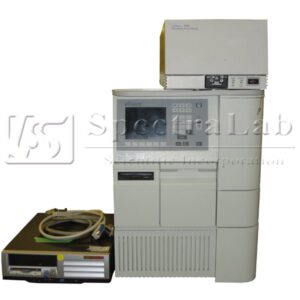
“TSP HPLC System with P1000 Pump and UV2000 Detector” has been added to your cart. View cart

Nutritional Content

Quantification of key nutrients, vitamins, and minerals to verify nutritional claims, assess product quality, and support dietary formulation standards.

Separation of Sugars in Honey

Overview

Honey is a natural sweetener primarily composed of carbohydrates, with fructose and glucose making up nearly 70–80% of its content, along with smaller amounts of sucrose, maltose, and other oligosaccharides. The sugar composition of honey directly influences its taste, crystallization behavior, energy value, and botanical origin. Quantifying individual sugars is essential for verifying purity, detecting adulteration (e.g., with high-fructose corn syrup), and ensuring compliance with food quality and labeling standards such as Codex Alimentarius and ISO 11085. Detailed sugar profiling also aids in authenticity studies and supports nutritional and functional food research.

Test Methods

AOAC 977.20

Solutions

High-Performance Liquid Chromatography with Refractive Index Detection (HPLC-RI) is the preferred method for separating and quantifying sugars in honey without derivatization. The sample is typically diluted with water, filtered, and injected into the HPLC system equipped with a carbohydrate or amino-bonded column. Using an isocratic mobile phase of acetonitrile–water or deionized water, the system separates monosaccharides and disaccharides based on polarity and molecular interaction. The RI detector measures differences in refractive index, providing sensitive detection for non-UV-absorbing sugars. Calibration with certified sugar standards (fructose, glucose, sucrose, maltose) ensures accurate quantification. This method offers high precision, reproducibility, and reliability for evaluating the nutritional sugar composition and authenticity of honey and other carbohydrate-rich foods.

Featured HPLC-RI

Discover a wide range of lab equipment from top manufacturers at SpectraLab. View all to find more HPLC-RI equipment!

View all
  • Waters Alliance 2695 HPLC system with Waters 2410 Refractive Index Detector


    Item ID: RefurbishedIn Stock
    ViewContinue Loading Done

Glucose, Fructose, Sucrose and Maltose in Presweetened Cereals

Overview

Presweetened cereals contain a variety of simple carbohydrates that contribute to sweetness, texture, and energy value. The primary sugars—glucose, fructose, sucrose, and maltose—are key nutritional components, and their ratios can indicate formulation consistency and help detect adulteration or production variability. Quantifying these sugars supports nutritional labeling accuracy and compliance with regulatory standards. Detailed sugar profiling also provides insight into carbohydrate metabolism, consumer health considerations, and product development for reduced-sugar or functional cereal formulations.

Test Methods

AOAC 982.14

Solutions

High-Performance Liquid Chromatography with Refractive Index Detection (HPLC-RI) is a reliable method for separating and quantifying major sugars in presweetened cereals. After extraction with water or aqueous ethanol and filtration, the sample is injected into an HPLC system equipped with a carbohydrate or amino-bonded column. Isocratic elution using a mobile phase such as acetonitrile–water (75:25) enables efficient separation of monosaccharides and disaccharides based on polarity and size. The RI detector responds universally to compounds with refractive index differences, making it ideal for non-UV-absorbing analytes like sugars. Calibration with certified sugar standards ensures quantitative accuracy and reproducibility. This method provides precise, repeatable results suitable for nutritional labeling, quality control, and formulation optimization in the cereal and broader food industries.

Featured HPLC-RI

Discover a wide range of lab equipment from top manufacturers at SpectraLab. View all to find more HPLC-RI equipment!

View all
  • Waters Alliance 2695 HPLC system with Waters 2410 Refractive Index Detector


    Item ID: RefurbishedIn Stock
    ViewContinue Loading Done
  • Agilent 1100 HPLC G1311A Quat Pump DE91609XXX


    Item ID: RefurbishedIn Stock
    ViewContinue Loading Done
  • HP Agilent 1100 Series G1365B MWD multi-wavelength detector


    Item ID: RefurbishedIn Stock
    ViewContinue Loading Done
  • HP Agilent 1100 Series G1362A RI Detector


    Item ID: RefurbishedIn Stock
    ViewContinue Loading Done

Carbohydrates in soluble (instant) coffee

Overview

Soluble or instant coffee contains a variety of carbohydrate compounds that contribute to its flavor, mouthfeel, and nutritional value. The major sugars include glucose, fructose, sucrose, and low levels of oligosaccharides derived from coffee beans or formed during roasting and extraction. Quantifying these carbohydrates is important for quality control, product formulation, and authentication, as the sugar profile can vary depending on bean origin, processing conditions, and drying method. Accurate carbohydrate analysis also supports nutritional labeling and helps identify adulteration with added sugars or fillers.

Test Methods

AOAC 995.13

Solutions

High-Performance Liquid Chromatography with Refractive Index Detection (HPLC-RI) provides a sensitive and reproducible technique for the separation and quantification of carbohydrates in soluble coffee. The sample is typically dissolved in deionized water, filtered, and injected into an HPLC system equipped with a carbohydrate analysis column, such as an amino-bonded silica or calcium-loaded cation exchange column. Using an isocratic mobile phase—commonly a mixture of acetonitrile and water (75:25) or pure water at controlled temperature—the system separates individual sugars based on polarity and molecular size. The RI detector measures refractive index changes caused by non-UV-absorbing sugars, allowing accurate quantification. Calibration with standard solutions of known sugars (glucose, fructose, sucrose, maltose) ensures precision and traceability. This HPLC-RI method is ideal for determining sugar composition, verifying product consistency, and supporting quality assurance in coffee production and research.

Featured HPLC-RI

Discover a wide range of lab equipment from top manufacturers at SpectraLab. View all to find more HPLC-RI equipment!

View all
  • Waters Alliance 2695 HPLC system with Waters 2410 Refractive Index Detector


    Item ID: RefurbishedIn Stock
    ViewContinue Loading Done
  • Agilent 1100 HPLC G1311A Quat Pump DE91609XXX


    Item ID: RefurbishedIn Stock
    ViewContinue Loading Done
  • HP Agilent 1100 Series G1365B MWD multi-wavelength detector


    Item ID: RefurbishedIn Stock
    ViewContinue Loading Done
  • HP Agilent 1100 Series G1362A RI Detector


    Item ID: RefurbishedIn Stock
    ViewContinue Loading Done

Vitamins (A, C, B, etc.)

Overview

Vitamins are essential micronutrients that play critical roles in metabolism, growth, and overall health. In food and beverage products, vitamins are either naturally present or added through fortification to improve nutritional value. Common water-soluble vitamins (such as B-complex and vitamin C) and fat-soluble vitamins (A, D, E, and K) are routinely analyzed to ensure accurate labeling, formulation consistency, and regulatory compliance. Since vitamins are sensitive to light, temperature, and oxidation, precise analytical determination is required to evaluate their concentration and stability throughout processing and storage.

Test Methods

–

Solutions

High-Performance Liquid Chromatography with Ultraviolet Detection (HPLC-UV) is one of the most widely used techniques for the separation and quantification of vitamins in complex food and beverage matrices. The HPLC system employs a reversed-phase C18 column, which efficiently separates vitamins based on polarity and hydrophobicity. Specific mobile phase compositions—commonly aqueous buffers with methanol or acetonitrile—are optimized depending on vitamin solubility. UV detection provides compound-specific absorbance at characteristic wavelengths (e.g., 254 nm for vitamin B2, 265 nm for vitamin C, and 325 nm for vitamin A), enabling selective and sensitive measurement without derivatization. Calibration with certified vitamin standards ensures quantitative accuracy and traceability. This method offers excellent resolution, reproducibility, and linearity, making it ideal for nutritional profiling, quality assurance, and validation of fortified food and beverage products.

Featured HPLC-UV

Discover a wide range of lab equipment from top manufacturers at SpectraLab. View all to find more HPLC-UV equipment!

View all
  • Waters AllianceHT 2790/2795 HPLC System with Waters 2996 PDA Detector


    Item ID: RefurbishedIn Stock
    ViewContinue Loading Done
  • Waters Acquity UPLC System with ACQUITY UPLC TUV Detector, PDA Detector,FLR Detector


    Item ID: RefurbishedIn Stock
    ViewContinue Loading Done
  • Waters NanoACQUITY UPLC with ACQUITY 2996 PDA Detector


    Item ID: RefurbishedIn Stock
    ViewContinue Loading Done
  • Waters HPLC system with 1525 Binary Pump, 717 Plus Autosampler, 2487 UV/Vis, 474 FLD or 2996 PDA


    Item ID: RefurbishedIn StockPrice:

    $12000 USD

    ViewContinue Loading Done
  • Waters Alliance 2690/2695 HPLC system with Waters 996 PDA


    Item ID: RefurbishedIn StockPrice:

    $12000 USD

    ViewContinue Loading Done
  • Agilent 1100 HPLC G1314A VWD Detector JP92113XXX


    Item ID: RefurbishedIn Stock
    ViewContinue Loading Done
  • Agilent 1200 HPLC G1315A DAD Detector US72101XXX


    Item ID: RefurbishedOn Backorder
    ViewContinue Loading Done
  • PerkinElmer 200 Series HPLC System with UV/Vis Detector


    Item ID: RefurbishedIn Stock
    ViewContinue Loading Done
  • Varian ProStar HPLC System with 310 UV/Vis Detector


    Item ID: RefurbishedIn Stock
    ViewContinue Loading Done
  • Varian ProStar HPLC System with 320 UV/VIS Detector


    Item ID: RefurbishedIn Stock
    ViewContinue Loading Done
  • -26% Product on sale

    Varian ProStar Prep HPLC System with 345 UV/VIS Detector


    Item ID: RefurbishedIn StockPrice:

    $8500 USD

    ViewContinue Loading Done
  • Shimadzu Nexera Series Preparative HPLC System


    Item ID: RefurbishedIn Stock
    ViewContinue Loading Done
  • Shimadzu VP Basic Manual HPLC with SPD-10A Uv/Vis Detector and LC-10AD pump


    Item ID: RefurbishedIn Stock
    ViewContinue Loading Done
  • TSP HPLC System with P1000 Pump and UV1000 Detector


    Item ID: RefurbishedIn Stock
    ViewContinue Loading Done
  • TSP HPLC System with P1000 Pump and UV3000 Detector


    Item ID: RefurbishedIn Stock
    ViewContinue Loading Done
  • TSP HPLC System with P1000 Pump and UV2000 Detector


    Item ID: RefurbishedIn Stock
    ViewContinue Loading Done
  • TSP HPLC System with P2000 Pump and UV1000 Detector


    Item ID: RefurbishedIn Stock
    ViewContinue Loading Done
  • TSP HPLC System with P2000 Pump and UV2000 Detector


    Item ID: RefurbishedIn Stock
    ViewContinue Loading Done
  • TSP HPLC System with P4000 Pump and UV 6000 Detector


    Item ID: RefurbishedIn Stock
    ViewContinue Loading Done
  • Jasco LC-2000Plus HPLC System with FP-2020Plus Intelligent Fluorescence Detector


    Item ID: RefurbishedIn Stock
    ViewContinue Loading Done
  • Jasco LC-2000Plus HPLC System with UV-2075Plus Intelligent UV-Vis Detector


    Item ID: RefurbishedIn Stock
    ViewContinue Loading Done
  • Hitachi Elite LaChrom HPLC System with L-2400 UV and L-2485 FL Detector


    Item ID: RefurbishedIn Stock
    ViewContinue Loading Done
  • Hitachi Chromaster HPLC System, includes 5430 DAD, 5310 Column Oven, 5160 Pump, and Autosampler


    Item ID: RefurbishedOn Backorder
    ViewContinue Loading Done

Sodium and Potassium in Seafood

Overview

Sodium (Na) and potassium (K) are essential electrolytes that play vital roles in maintaining osmotic balance, nerve transmission, and muscle function. In seafood, these elements naturally occur at varying concentrations depending on the species, habitat salinity, and processing conditions. Monitoring sodium and potassium content is important for nutritional labeling, dietary assessment, and quality control—particularly as consumers seek low-sodium and balanced-mineral diets. Quantifying these minerals also aids in detecting adulteration, verifying product origin, and evaluating the effects of preservation or cooking methods on mineral retention.

Test Methods

AOAC 969.23

Solutions

Atomic Absorption Spectroscopy (AAS) provides a precise and reliable method for determining sodium and potassium concentrations in seafood matrices. Samples are typically digested using acid (e.g., nitric acid or a mixed acid system) to convert minerals into soluble ionic form. Using Flame AAS, the digested sample is aspirated into an air–acetylene flame where the atoms absorb light at element-specific wavelengths—589.0 nm for sodium and 766.5 nm for potassium. The absorbance is directly proportional to concentration and quantified through calibration with certified standard solutions. Background correction and matrix-matched calibration ensure analytical accuracy. Flame AAS offers high sensitivity (down to ppm levels), reproducibility, and minimal interference, making it ideal for routine analysis of major minerals in seafood for nutritional labeling, regulatory compliance, and food quality assurance.

Minerals in Infant Formula / Pet / Other Foods

Overview

Essential minerals such as calcium (Ca), magnesium (Mg), iron (Fe), zinc (Zn), copper (Cu), manganese (Mn), and selenium (Se) are vital for proper growth, metabolism, and immune function in infants, patients receiving enteral nutrition, and companion animals. In formulated nutritional products, accurate mineral composition is critical to ensure compliance with dietary reference intakes (DRIs), labeling regulations, and product safety standards such as those defined by Codex Alimentarius, AOAC, and AAFCO. Determining mineral content provides insight into ingredient quality, formulation consistency, and nutrient bioavailability—supporting both nutritional adequacy and regulatory certification for human and animal nutrition products.

Test Methods

AOAC 985.35

Solutions

Atomic Absorption Spectroscopy (AAS) is a precise and established method for quantifying macro- and micro-minerals in nutritional formulations. Samples are typically digested with nitric or mixed acids to convert minerals into soluble ionic form, then analyzed by Flame AAS for major elements (Ca, Mg, Fe, Zn) or Graphite Furnace AAS (GFAAS) for trace elements (Cu, Mn, Se) requiring higher sensitivity.

Each element is measured at its characteristic wavelength—such as 248.3 nm for Fe, 213.9 nm for Zn, 324.8 nm for Cu, and 285.2 nm for Mg—with absorbance directly proportional to concentration. Calibration with certified multi-element standards ensures traceable accuracy, and matrix-matched calibration compensates for sample complexity. AAS provides reliable quantification at ppm to ppb levels, offering high reproducibility and compliance with AOAC and ISO methodologies. This approach enables laboratories to verify nutritional label claims, monitor ingredient consistency, and ensure product quality and safety in infant formula, enteral nutrition, and pet food manufacturing.

Dietary Fatty Acids, Sterols, Lignans in Oil

Overview

Edible oils are complex mixtures of lipid-derived compounds including fatty acids, sterols, tocopherols, and lignans that determine nutritional value, oxidative stability, and health functionality. Fatty acid composition affects key properties such as melting point, oxidation resistance, and dietary quality, while sterols and lignans contribute antioxidant and cholesterol-lowering effects. Quantifying these compounds is essential for nutritional labeling, authenticity verification, and monitoring oil processing or adulteration. Detailed lipid profiling provides insight into the oil’s botanical origin, refining efficiency, and overall nutritional performance.

Test Methods

–

Solutions

Gas Chromatography coupled with Mass Spectrometry (GC-MS) is a powerful analytical technique for determining fatty acid methyl esters (FAMEs), sterols, and lignans in edible oils. For fatty acid analysis, oils are typically transesterified with methanol to form FAMEs, which are separated on a polar capillary column (e.g., cyanopropyl or biscyanopropyl polysiloxane) under temperature programming. The MS detector identifies and quantifies each component based on its unique fragmentation pattern and retention time, ensuring high specificity and sensitivity. For sterol and lignan analysis, saponification followed by solvent extraction and derivatization (e.g., silylation) improves volatility and chromatographic resolution. GC-MS enables simultaneous quantification of multiple lipid classes with detection limits in the low ppm range. This method provides accurate compositional data for quality control, nutritional evaluation, and authenticity verification of edible oils, aligning with AOAC and ISO lipid analysis standards.

Featured GC-MS

Discover a wide range of lab equipment from top manufacturers at SpectraLab. View all to find more GC-MS equipment!

View all
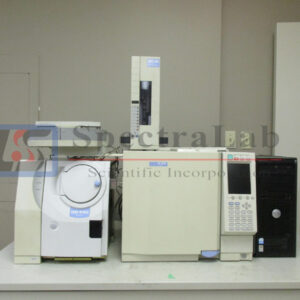
  • Agilent 5973N MSD with 6890N GC and 7683 Liquid Autosampler


    Item ID: RefurbishedIn Stock
    ViewContinue Loading Done
  • -12% Product on sale

    HP 5973 EI/CI MSD G1099A with 6890 Plus GC & CTC Analytics Combi PAL Autosampler


    Item ID: RefurbishedIn StockPrice:

    $25000 USD

    ViewContinue Loading Done
  • Agilent 6890N with Agilent 5975C Inert XL TAD MSD G3172A


    Item ID: RefurbishedIn Stock
    ViewContinue Loading Done
  • HP 5971A MSD with HP 5890 II GC, suitable software and rough pump


    Item ID: RefurbishedIn Stock
    ViewContinue Loading Done
  • HP 5972 MSD with HP 5890 II GC, HP 7673B Autosampler, Data System and Rough Pump


    Item ID: RefurbishedIn Stock
    ViewContinue Loading Done
  • Thermo Finnigan Polaris with Trace 2000 GC/MS system


    Item ID: RefurbishedSold Out
    ViewContinue Loading Done
  • Thermo Finnigan TSQ 700 GC-MS/MS


    Item ID: Pre-ownedOn Backorder
    ViewContinue Loading Done
  • Thermo Finnigan GCQ and Finnigan 9000 GC/MS


    Item ID: Pre-ownedIn Stock
    ViewContinue Loading Done
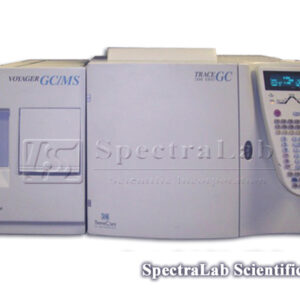
  • Thermo Finnigan Voyager GC/MS with Trace 2000 GC


    Item ID: RefurbishedOn BackorderPrice:

    $13000 USD

    ViewContinue Loading Done
  • Varian CP-3800 GC with Saturn 2200 GC/MS


    Item ID: RefurbishedIn Stock
    ViewContinue Loading Done
  • -33% Product on sale

    Varian 450-GC with Varian 220MSD and CP 8400, GC/MS


    Item ID: RefurbishedIn StockPrice:

    $16500 USD

    ViewContinue Loading Done
  • Varian 3800GC with 1200L Triple Quadruple MS/MS


    Item ID: RefurbishedSold Out
    ViewContinue Loading Done
  • Varian 3400CX GC with Varian Saturn 3


    Item ID: Pre-ownedSold Out
    ViewContinue Loading Done
  • Shimadzu GCMS-QP2010 and GC-2010 GC-MS System with AOC-20s Autosampler


    Item ID: RefurbishedIn Stock
    ViewContinue Loading Done
  • Shimadzu GCMS-QP5050A and GC-17A GC-MS System


    Item ID: Pre-ownedIn Stock
    ViewContinue Loading Done

Derivatization of Corn Oil (nutritional profiling)

Overview

Corn oil is composed primarily of triglycerides containing unsaturated fatty acids such as linoleic, oleic, and palmitic acids, along with minor constituents like sterols and tocopherols. Because fatty acids in their native form are nonvolatile and thermally unstable, they require chemical derivatization prior to gas chromatographic analysis. Converting fatty acids to volatile derivatives, most commonly fatty acid methyl esters (FAMEs), enables accurate determination of fatty acid composition and nutritional value. Quantitative profiling of these components is essential for quality control, authenticity verification, and compliance with labeling standards in edible oil production.

Test Methods

Learn more

Solutions

Gas Chromatography with Flame Ionization Detection (GC-FID) is the standard method for analyzing the fatty acid composition of corn oil after derivatization. The process typically involves transesterification—reacting triglycerides with methanol in the presence of an alkaline (e.g., sodium methoxide) or acidic (e.g., boron trifluoride–methanol) catalyst to form FAMEs. The resulting methyl esters are volatile, thermally stable, and suitable for GC separation on a polar capillary column (e.g., cyanopropyl polysiloxane).

The FID provides a linear response to carbon content, allowing accurate quantification of individual fatty acids by comparing peak areas to those of certified standards. Temperature programming ensures efficient separation of C14–C24 fatty acids. This derivatization–GC-FID workflow offers high precision, reproducibility, and sensitivity, making it ideal for characterizing the fatty acid profile of corn oil in accordance with AOAC, AOCS, and ISO analytical standards.

Featured GC-FID

Discover a wide range of lab equipment from top manufacturers at SpectraLab. View all to find more GC-FID equipment!

View all
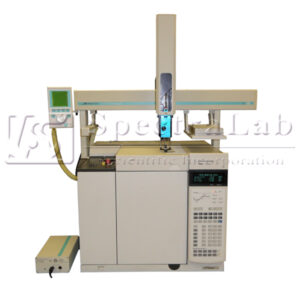
  • Agilent 7890A GC with Leap CTC GC PAL


    Item ID: RefurbishedIn Stock
    ViewContinue Loading Done
  • Agilent 6890 GC with FID/ECD or NPD, Agilent G1512A Controller and Agilent 6890 Auto Injector


    Item ID: RefurbishedIn Stock
    ViewContinue Loading Done
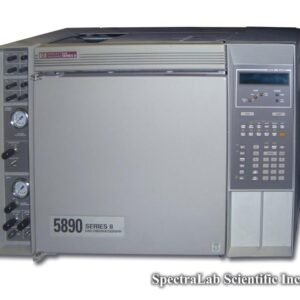
  • HP 5890 II GC with Dual FIDs, Split/splitless Inlet and Purged Packed Inlet


    Item ID: RefurbishedIn Stock
    ViewContinue Loading Done
  • PerkinElmer Clarus 500 GC with FID and AutoSampler


    Item ID: RefurbishedIn Stock
    ViewContinue Loading Done
  • PerkinElmer Clarus 500 GC with FID


    Item ID: RefurbishedIn Stock
    ViewContinue Loading Done
  • PerkinElmer Autosystem XL GC with dual FID


    Item ID: RefurbishedIn Stock
    ViewContinue Loading Done
  • Varian 3900 Gas Chromatograph with 8410 Autosampler


    Item ID: RefurbishedIn Stock
    ViewContinue Loading Done
  • Varian 3900 GC With FID and 1041 Packed Injector


    Item ID: RefurbishedIn Stock
    ViewContinue Loading Done
  • Varian CP-3800 GC System with Dual FID and CTC Combi PAL


    Item ID: RefurbishedIn Stock
    ViewContinue Loading Done
  • Varian Star 3400 CX GC with FID and TCD


    Item ID: For PartsIn Stock
    ViewContinue Loading Done

Cholesterol in Foods

Overview

Cholesterol is a sterol naturally present in animal-derived foods such as meat, dairy, and eggs, and is an important nutritional marker associated with lipid metabolism and cardiovascular health. Monitoring cholesterol content is essential for nutritional labeling, dietary research, and food quality control. Quantifying cholesterol also helps assess the effects of food processing, storage, and reformulation on lipid stability. Because cholesterol is nonvolatile and thermally sensitive, it must be chemically derivatized before gas chromatographic analysis to ensure accurate quantification and reproducible results.

Test Methods

AOAC 994.10

Solutions

Gas Chromatography with Flame Ionization Detection (GC-FID) is a widely used technique for the determination of cholesterol in foods following extraction and derivatization. The analysis typically begins with saponification of lipids using ethanolic potassium hydroxide to release free sterols, followed by solvent extraction with hexane or petroleum ether. Cholesterol is then derivatized—commonly as a trimethylsilyl ether (TMS) using reagents such as BSTFA or TMCS—to increase volatility and thermal stability.

The derivatized sample is injected into a GC equipped with a non-polar capillary column (e.g., 5% phenyl methylpolysiloxane) operated under temperature programming. The FID provides a linear response to carbon mass, allowing precise quantification based on calibration with certified cholesterol standards. This GC-FID method delivers high sensitivity, accuracy, and reproducibility, supporting nutritional labeling, product authentication, and quality control in compliance with AOAC and ISO lipid analysis protocols.

Featured GC-FID

Discover a wide range of lab equipment from top manufacturers at SpectraLab. View all to find more GC-FID equipment!

View all
  • Agilent 7890A GC with Leap CTC GC PAL


    Item ID: RefurbishedIn Stock
    ViewContinue Loading Done
  • Agilent 6890 GC with FID/ECD or NPD, Agilent G1512A Controller and Agilent 6890 Auto Injector


    Item ID: RefurbishedIn Stock
    ViewContinue Loading Done
  • HP 5890 II GC with Dual FIDs, Split/splitless Inlet and Purged Packed Inlet


    Item ID: RefurbishedIn Stock
    ViewContinue Loading Done
  • PerkinElmer Clarus 500 GC with FID and AutoSampler


    Item ID: RefurbishedIn Stock
    ViewContinue Loading Done
  • PerkinElmer Clarus 500 GC with FID


    Item ID: RefurbishedIn Stock
    ViewContinue Loading Done
  • PerkinElmer Autosystem XL GC with dual FID


    Item ID: RefurbishedIn Stock
    ViewContinue Loading Done
  • Varian 3900 Gas Chromatograph with 8410 Autosampler


    Item ID: RefurbishedIn Stock
    ViewContinue Loading Done
  • Varian 3900 GC With FID and 1041 Packed Injector


    Item ID: RefurbishedIn Stock
    ViewContinue Loading Done
  • Varian CP-3800 GC System with Dual FID and CTC Combi PAL


    Item ID: RefurbishedIn Stock
    ViewContinue Loading Done
  • Varian Star 3400 CX GC with FID and TCD


    Item ID: For PartsIn Stock
    ViewContinue Loading Done

Cholesterol in Multicomponent Foods

Overview

Multicomponent foods—such as baked goods, ready-to-eat meals, dairy-based beverages, and processed meats—contain complex matrices composed of fats, proteins, carbohydrates, and emulsifiers that can interfere with lipid extraction and cholesterol quantification. Measuring cholesterol in such products is essential for accurate nutritional labeling, product development, and verification of “low-cholesterol” or “cholesterol-free” claims. Determining cholesterol levels also helps assess formulation quality, ingredient authenticity, and the impact of processing steps such as heating or homogenization. Because cholesterol is nonvolatile and sensitive to oxidation, reliable extraction and derivatization are crucial for obtaining reproducible analytical results.

Test Methods

AOAC 976.26

Solutions

Gas Chromatography with Flame Ionization Detection (GC-FID) provides a sensitive and robust method for quantifying cholesterol in multicomponent food matrices. The analytical process begins with saponification using ethanolic potassium hydroxide (KOH) to hydrolyze lipids and release free sterols, followed by liquid–liquid extraction with nonpolar solvents such as hexane or petroleum ether.

To improve volatility and thermal stability, cholesterol is derivatized to its trimethylsilyl (TMS) ether using reagents such as BSTFA (N,O-bis(trimethylsilyl)trifluoroacetamide). The derivatized sample is injected into a GC equipped with a non-polar capillary column (e.g., 5% phenyl methylpolysiloxane) operated under temperature programming to resolve cholesterol from co-extracted lipids and sterol esters.

The FID provides a linear response to carbon mass, enabling accurate quantification based on calibration with certified cholesterol standards. This GC-FID workflow—aligned with AOAC 994.10 and ISO 12228—ensures precise, repeatable measurement of cholesterol content even in complex, multi-ingredient food systems, supporting regulatory compliance and nutritional labeling accuracy.

Featured GC-FID

Discover a wide range of lab equipment from top manufacturers at SpectraLab. View all to find more GC-FID equipment!

View all
  • Agilent 7890A GC with Leap CTC GC PAL


    Item ID: RefurbishedIn Stock
    ViewContinue Loading Done
  • Agilent 6890 GC with FID/ECD or NPD, Agilent G1512A Controller and Agilent 6890 Auto Injector


    Item ID: RefurbishedIn Stock
    ViewContinue Loading Done
  • HP 5890 II GC with Dual FIDs, Split/splitless Inlet and Purged Packed Inlet


    Item ID: RefurbishedIn Stock
    ViewContinue Loading Done
  • PerkinElmer Clarus 500 GC with FID and AutoSampler


    Item ID: RefurbishedIn Stock
    ViewContinue Loading Done
  • PerkinElmer Clarus 500 GC with FID


    Item ID: RefurbishedIn Stock
    ViewContinue Loading Done
  • PerkinElmer Autosystem XL GC with dual FID


    Item ID: RefurbishedIn Stock
    ViewContinue Loading Done
  • Varian 3900 Gas Chromatograph with 8410 Autosampler


    Item ID: RefurbishedIn Stock
    ViewContinue Loading Done
  • Varian 3900 GC With FID and 1041 Packed Injector


    Item ID: RefurbishedIn Stock
    ViewContinue Loading Done
  • Varian CP-3800 GC System with Dual FID and CTC Combi PAL


    Item ID: RefurbishedIn Stock
    ViewContinue Loading Done
  • Varian Star 3400 CX GC with FID and TCD


    Item ID: For PartsIn Stock
    ViewContinue Loading Done

Fat (Total, Saturated, Unsaturated) in Foods

Overview

The total, saturated, and unsaturated fat content in foods is a key nutritional indicator affecting energy value, texture, flavor, and health impact. Determining fat composition provides insight into product formulation, authenticity, and compliance with nutritional labeling standards. Saturated fats (e.g., palmitic, stearic acids) influence shelf stability, while unsaturated fats (e.g., oleic, linoleic acids) contribute to nutritional quality and functional properties. Quantifying these lipid classes supports food quality assurance, reformulation for healthier products, and verification of “low-fat” or “unsaturated fat–rich” claims according to regulations such as AOAC 996.06, ISO 12966, and Codex Alimentarius guidelines.

Test Methods

AOAC 996.06

Solutions

Gas Chromatography with Flame Ionization Detection (GC-FID) is the gold-standard method for determining total, saturated, and unsaturated fat in foods through fatty acid methyl ester (FAME) analysis. The process begins with lipid extraction from the food sample (e.g., via Soxhlet or Folch extraction), followed by transesterification using methanol and an acid or base catalyst to convert triglycerides into FAMEs. These derivatives are volatile and thermally stable, suitable for GC analysis. Separation is performed on a polar capillary column (such as cyanopropyl polysiloxane) under temperature programming to resolve individual fatty acids from C4 to C24.

The FID provides a proportional response to carbon mass, allowing quantification based on calibration with certified FAME standards. Summation of the identified fatty acids yields total fat, while classification by chain structure and saturation defines saturated, monounsaturated, and polyunsaturated fractions. This GC-FID approach delivers high precision, reproducibility, and regulatory compliance—making it ideal for nutritional labeling, food composition databases, and lipid-quality monitoring in a wide range of food products.

Featured GC-FID

Discover a wide range of lab equipment from top manufacturers at SpectraLab. View all to find more GC-FID equipment!

View all
  • Agilent 7890A GC with Leap CTC GC PAL


    Item ID: RefurbishedIn Stock
    ViewContinue Loading Done
  • Agilent 6890 GC with FID/ECD or NPD, Agilent G1512A Controller and Agilent 6890 Auto Injector


    Item ID: RefurbishedIn Stock
    ViewContinue Loading Done
  • HP 5890 II GC with Dual FIDs, Split/splitless Inlet and Purged Packed Inlet


    Item ID: RefurbishedIn Stock
    ViewContinue Loading Done
  • PerkinElmer Clarus 500 GC with FID and AutoSampler


    Item ID: RefurbishedIn Stock
    ViewContinue Loading Done
  • PerkinElmer Clarus 500 GC with FID


    Item ID: RefurbishedIn Stock
    ViewContinue Loading Done
  • PerkinElmer Autosystem XL GC with dual FID


    Item ID: RefurbishedIn Stock
    ViewContinue Loading Done
  • Varian 3900 Gas Chromatograph with 8410 Autosampler


    Item ID: RefurbishedIn Stock
    ViewContinue Loading Done
  • Varian 3900 GC With FID and 1041 Packed Injector


    Item ID: RefurbishedIn Stock
    ViewContinue Loading Done
  • Varian CP-3800 GC System with Dual FID and CTC Combi PAL


    Item ID: RefurbishedIn Stock
    ViewContinue Loading Done
  • Varian Star 3400 CX GC with FID and TCD


    Item ID: For PartsIn Stock
    ViewContinue Loading Done

Sugars in Brewery Malt Extract

Overview

Brewery malt extract is rich in fermentable carbohydrates, primarily maltose, maltotriose, glucose, and dextrins, which serve as the main energy source for yeast during fermentation. The sugar composition directly influences fermentation efficiency, flavor development, alcohol yield, and product consistency. Accurate determination of individual sugars in malt extract is essential for monitoring mashing performance, controlling wort composition, and ensuring consistent beer quality. Quantifying these sugars also supports process optimization and helps detect issues such as incomplete starch conversion or unwanted caramelization during malt extract production.

Test Methods

Learn more

Solutions

High-Performance Liquid Chromatography (HPLC) is the preferred method for separating and quantifying sugars in malt extract. Samples are typically diluted with deionized water, filtered, and injected into an HPLC system equipped with a carbohydrate or amino-bonded column. Isocratic elution with a mobile phase such as acetonitrile–water (75:25) or pure water under controlled temperature allows efficient separation of mono- and oligosaccharides based on polarity and molecular size. Detection is commonly achieved using a Refractive Index (RI) detector, which responds to non-UV-absorbing sugars like glucose, maltose, and maltotriose.

Calibration with certified sugar standards ensures quantitative accuracy and reproducibility. HPLC-RI provides high precision, minimal sample preparation, and reliable profiling of sugar composition—making it ideal for quality control, fermentation monitoring, and research applications in the brewing industry.

Featured HPLC

Discover a wide range of lab equipment from top manufacturers at SpectraLab. View all to find more HPLC equipment!

View all
  • Waters Alliance 2690/2695 HPLC System with 2489 UV/Vis Detector


    Item ID: RefurbishedIn Stock
    ViewContinue Loading Done
  • Waters AllianceHT 2790/2795 HPLC System with Waters 2996 PDA Detector


    Item ID: RefurbishedIn Stock
    ViewContinue Loading Done
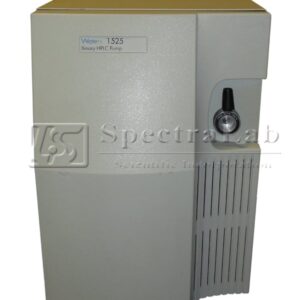
  • Waters 1525 Binary HPLC Pump


    Item ID: RefurbishedIn StockPrice:

    $4750 USD

    ViewContinue Loading Done
  • Agilent 1200 Series HPLC Systems


    Item ID: RefurbishedIn Stock
    ViewContinue Loading Done
  • Agilent 1100 HPLC Systems


    Item ID: RefurbishedIn Stock
    ViewContinue Loading Done
  • TSP HPLC System with P2000 Pump and UV2000 Detector


    Item ID: RefurbishedIn Stock
    ViewContinue Loading Done
  • PerkinElmer 200 Series HPLC System


    Item ID: RefurbishedIn Stock
    ViewContinue Loading Done
  • Shimadzu HPLC System with LC-10AD pump, SIL-10AXL Autoinjector and SPD-10A UV/vis Detector


    Item ID: RefurbishedIn Stock
    ViewContinue Loading Done
  • Varian ProStar HPLC System with 310 UV/Vis Detector


    Item ID: RefurbishedIn Stock
    ViewContinue Loading Done
  • Jasco HPLC System with UV-1570M Intelligent Detector


    Item ID: RefurbishedIn Stock
    ViewContinue Loading Done
  • Hitachi LaChrom Elite HPLC System


    Item ID: RefurbishedOn Backorder
    ViewContinue Loading Done
  • Hitachi Transgenomic HPLC System


    Item ID: RefurbishedIn Stock
    ViewContinue Loading Done
  • Hitachi Elite LaChrom HPLC system


    Item ID: RefurbishedIn Stock
    ViewContinue Loading Done
  • Hitachi 7000 HPLC System


    Item ID: RefurbishedSold Out
    ViewContinue Loading Done

Carbohydrates in Lemonade

Overview

Lemonade and other fruit-based beverages contain naturally occurring and added sugars—primarily glucose, fructose, and sucrose—that contribute to sweetness, mouthfeel, and caloric content. Determining the carbohydrate composition is essential for verifying formulation accuracy, ensuring nutritional label compliance, and monitoring product consistency during production. Accurate sugar profiling also helps detect adulteration, assess flavor balance, and evaluate the effects of sweetener blends or process adjustments on beverage quality.

Test Methods

Learn more

Solutions

High-Performance Liquid Chromatography (HPLC) is the preferred technique for separating and quantifying carbohydrates in lemonade. The sample is typically filtered and injected directly into an HPLC system equipped with a carbohydrate or amino-bonded column. Using an isocratic mobile phase of acetonitrile–water (75:25) or deionized water, the system efficiently separates glucose, fructose, and sucrose based on polarity and retention time. Detection is performed using a Refractive Index (RI) or Evaporative Light Scattering Detector (ELSD), both of which are suitable for non-UV-absorbing sugars. Calibration with certified standards ensures quantitative accuracy and repeatability. The HPLC method provides precise, reproducible results—making it ideal for nutritional labeling, quality control, and formulation verification in beverage manufacturing.

Featured HPLC

Discover a wide range of lab equipment from top manufacturers at SpectraLab. View all to find more HPLC equipment!

View all
  • Waters Alliance 2690/2695 HPLC System with 2489 UV/Vis Detector


    Item ID: RefurbishedIn Stock
    ViewContinue Loading Done
  • Waters AllianceHT 2790/2795 HPLC System with Waters 2996 PDA Detector


    Item ID: RefurbishedIn Stock
    ViewContinue Loading Done
  • Waters 1525 Binary HPLC Pump


    Item ID: RefurbishedIn StockPrice:

    $4750 USD

    ViewContinue Loading Done
  • Agilent 1200 Series HPLC Systems


    Item ID: RefurbishedIn Stock
    ViewContinue Loading Done
  • Agilent 1100 HPLC Systems


    Item ID: RefurbishedIn Stock
    ViewContinue Loading Done
  • TSP HPLC System with P2000 Pump and UV2000 Detector


    Item ID: RefurbishedIn Stock
    ViewContinue Loading Done
  • PerkinElmer 200 Series HPLC System


    Item ID: RefurbishedIn Stock
    ViewContinue Loading Done
  • Shimadzu HPLC System with LC-10AD pump, SIL-10AXL Autoinjector and SPD-10A UV/vis Detector


    Item ID: RefurbishedIn Stock
    ViewContinue Loading Done
  • Varian ProStar HPLC System with 310 UV/Vis Detector


    Item ID: RefurbishedIn Stock
    ViewContinue Loading Done
  • Jasco HPLC System with UV-1570M Intelligent Detector


    Item ID: RefurbishedIn Stock
    ViewContinue Loading Done
  • Hitachi LaChrom Elite HPLC System


    Item ID: RefurbishedOn Backorder
    ViewContinue Loading Done
  • Hitachi Transgenomic HPLC System


    Item ID: RefurbishedIn Stock
    ViewContinue Loading Done
  • Hitachi Elite LaChrom HPLC system


    Item ID: RefurbishedIn Stock
    ViewContinue Loading Done
  • Hitachi 7000 HPLC System


    Item ID: RefurbishedSold Out
    ViewContinue Loading Done

SpectraLab Scientific Inc
Established in 2003,

About Us

SpectraLab Scientific is a global leader of Refurbished analytical equipment. We specialize in reconditioning equipment, integrating the best available technologies from leading manufacturers across the industry. We are committed to quality and service, delivering strong customer satisfaction. We stock over 10,000 pre-owned lab equipment, components, and mix-and-match parts for your systems.

3-12 Months Warranty

Service contracts available

Contact Us

Bulk Discounts

Discounts on large purchases

Sales Event

Payment Plans

Financing / leasing supports

Get Approval

Sell or Trade-in

Sell or trade-in your instruments

Trade-In Now

Never Miss Our Latest News!

Stay in the loop with exclusive deals, new arrivals, event updates,
and expert tips by subscribing to our newsletter!

LinkedIn.

38 McPherson St.
Markham, ON, Canada, L3R 3V6

info@spectralabsci.com

Headquarter: +1 905-946-8066
U.S. Line: +1 716-337-6808
North America Toll Free: 1-866-777-3688
Fax: +1 905-917-3567

Product

All Product
LC systems & parts
GC systems & parts
Mass Spectrometer
Spectroscopy & Elemental Analysis

Resources

Application Notes
Ordering Guide
Refurbishment Process
FAQs
Sitemap

Service

Product Service
Lab Service
Financial Service

Company

About Us
Contact Us
Blogs

Copyright © 2026 SpectraLab Scientific Inc. All right reserved.

We care about your privacy

In order to provide you a personalized shopping experience, our site uses cookies. By continuing to use this site, you are agreeing to our cookie policy.

Select the fields to be shown. Others will be hidden. Drag and drop to rearrange the order.
  • Image
  • SKU
  • Rating
  • Price
  • Stock
  • Availability
  • Add to cart
  • Description
  • Content
  • Weight
  • Dimensions
  • Additional information
Click outside to hide the comparison bar
Compare
Scroll to top