-

-
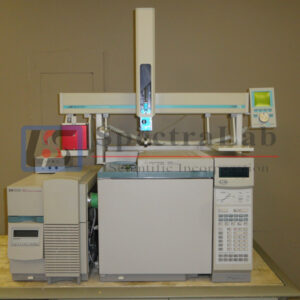
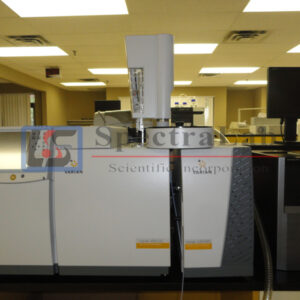
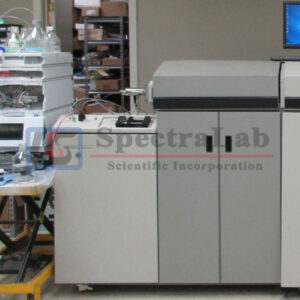
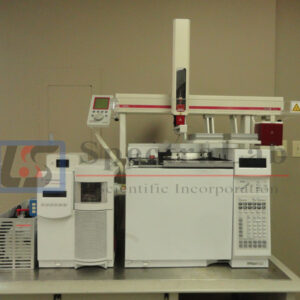
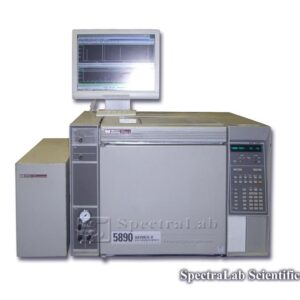
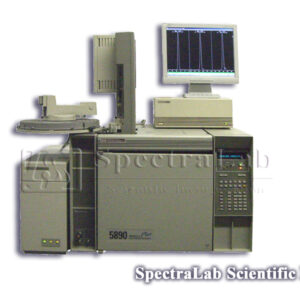
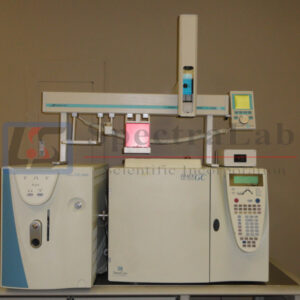
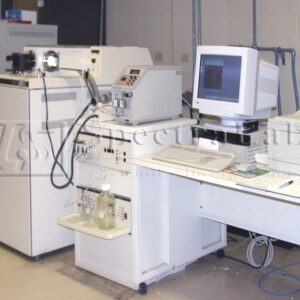
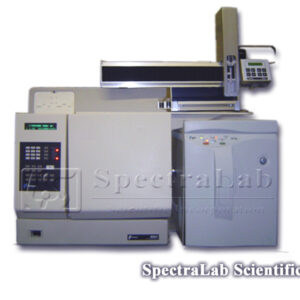
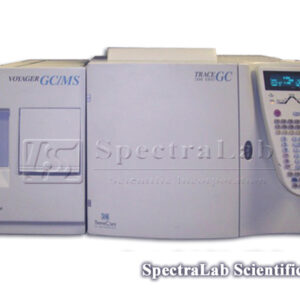
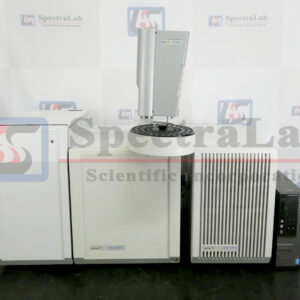
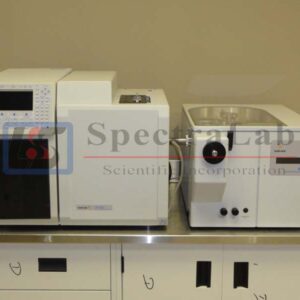
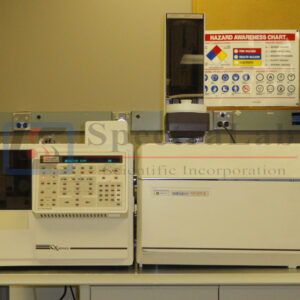
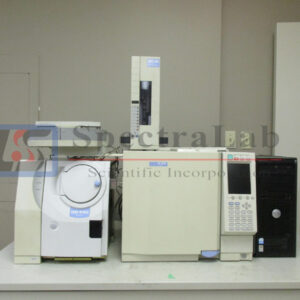
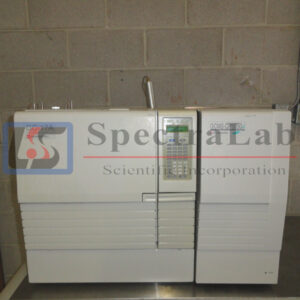
HP 5973 EI/CI MSD G1099A with 6890 Plus GC & CTC Analytics Combi PAL Autosampler
RefurbishedIn StockPrice:$25000 USD
-
-
-
“Thermo Finnigan TSQ 700 GC-MS/MS” has been added to your cart. View cart
🇺🇸 Spectralab Scientific Expands to the U.S.! 🇺🇸 Dismiss
Analytical testing in veterinary and animal health applications enables monitoring of pharmaceuticals, feed additives, and contaminants to ensure safety, efficacy, and compliance with industry standards.
Pesticide residues in animal fluids—such as blood, urine, and milk—can serve as important indicators of environmental exposure, food contamination, or toxicological impact. Monitoring these residues is essential for assessing animal health, verifying food safety, and ensuring compliance with regulatory limits established by agencies such as the EPA, FDA, and EFSA. Because pesticides encompass a wide range of chemical classes—including organophosphates, carbamates, pyrethroids, and neonicotinoids—accurate multi-residue analysis is required to detect and quantify trace levels across diverse biological matrices.
Liquid Chromatography–Tandem Mass Spectrometry (LC-MS/MS) provides a highly sensitive and selective approach for detecting multiple pesticide residues in complex animal fluids. The LC component effectively separates compounds with different polarities and structures, while tandem mass spectrometry identifies and quantifies them based on unique ion transitions. This technique enables simultaneous analysis of dozens to hundreds of pesticide compounds with low detection limits and excellent reproducibility. LC-MS/MS is ideal for toxicological screening, biomonitoring, and residue surveillance programs, delivering precise and reliable results that support food safety, environmental protection, and veterinary health research.
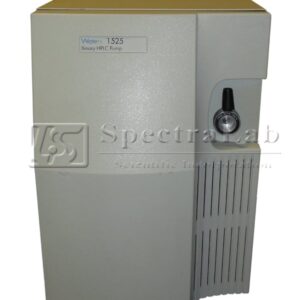
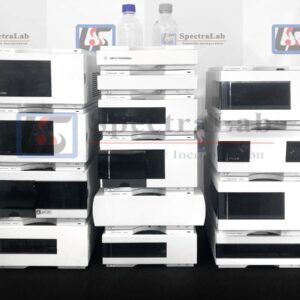
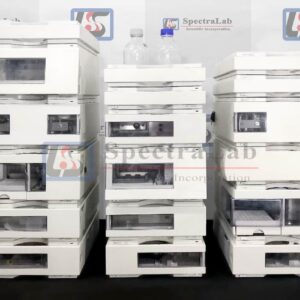
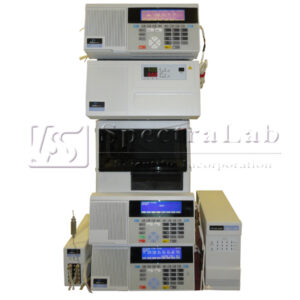
Featured LC
Discover a wide range of lab equipment from top manufacturers at SpectraLab. View all to find more LC equipment!
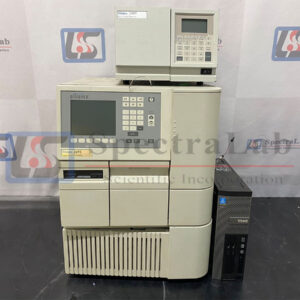
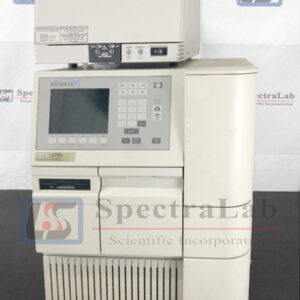
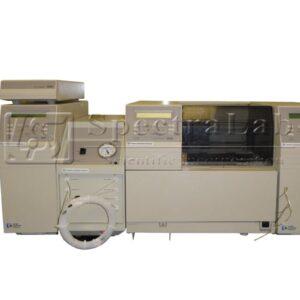
Featured LC-MS
Discover a wide range of lab equipment from top manufacturers at SpectraLab. View all to find more LC-MS equipment!
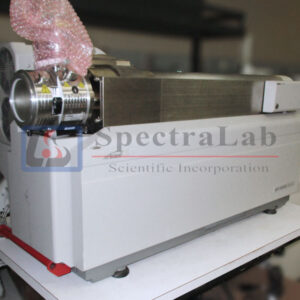
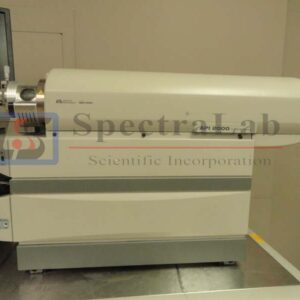
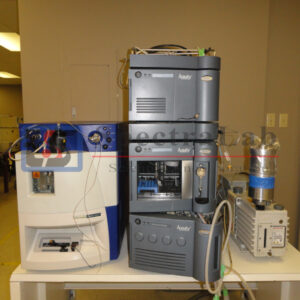
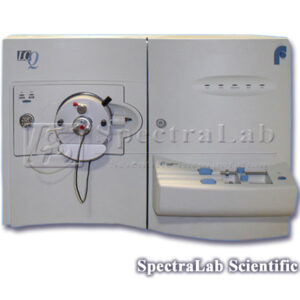
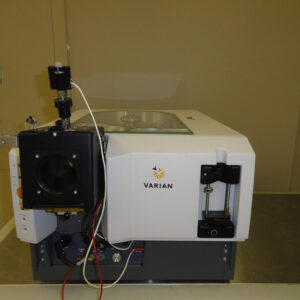
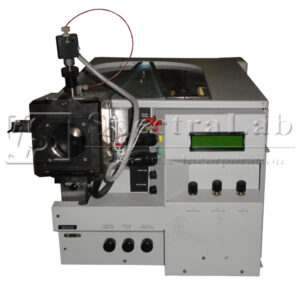
Veterinary drugs—including antibiotics, antiparasitics, and growth promoters—are widely used in livestock and poultry production to prevent disease and enhance productivity. However, residues of these compounds and their metabolites can persist in animal tissues and fluids, posing potential risks to human health and food safety. Monitoring veterinary drug residues is therefore critical for regulatory compliance, ensuring that meat, milk, and other animal-derived products meet established maximum residue limits (MRLs) and are safe for consumption.
Liquid Chromatography–Tandem Mass Spectrometry (LC-MS/MS) is the preferred technique for the detection and quantification of veterinary drug residues in complex biological matrices such as muscle, liver, milk, and plasma. The LC system separates compounds with varying chemical properties, while the tandem mass spectrometer provides highly specific identification based on characteristic ion transitions. This method allows simultaneous multi-class, multi-residue analysis with exceptional sensitivity, precision, and accuracy. LC-MS/MS enables laboratories to reliably screen for and confirm trace levels of veterinary drugs, supporting regulatory enforcement, food safety monitoring, and animal health research.
Featured LC
Discover a wide range of lab equipment from top manufacturers at SpectraLab. View all to find more LC equipment!
Featured LC-MS
Discover a wide range of lab equipment from top manufacturers at SpectraLab. View all to find more LC-MS equipment!
Sulfonamide antibiotics are a widely used class of antimicrobial agents in veterinary medicine, particularly for treating bacterial infections in livestock such as cattle and poultry. However, residues of these drugs in edible tissues like bovine liver can pose health risks to consumers and violate regulatory limits established for food safety. Forensic and regulatory screening of sulfonamide residues is therefore crucial for ensuring compliance, monitoring potential misuse, and safeguarding the integrity of the food supply chain.
Liquid Chromatography–Tandem Mass Spectrometry (LC-MS/MS) offers a highly sensitive and specific approach for the determination of sulfonamide antibiotics in complex matrices such as bovine liver. The LC component effectively separates multiple sulfonamide compounds, while the tandem mass spectrometer detects and quantifies them based on unique precursor-to-product ion transitions. This method enables simultaneous multi-residue analysis with excellent selectivity, low detection limits, and high reproducibility. LC-MS/MS is ideally suited for forensic and regulatory laboratories, providing reliable data for residue confirmation, risk assessment, and compliance with international food safety standards.
Featured LC
Discover a wide range of lab equipment from top manufacturers at SpectraLab. View all to find more LC equipment!
Featured LC-MS
Discover a wide range of lab equipment from top manufacturers at SpectraLab. View all to find more LC-MS equipment!
Animal and vegetable fats and oils are widely used in food production, cosmetics, and industrial applications, where product purity and safety are paramount. Volatile organic contaminants (VOCs) can arise from processing, packaging, or environmental exposure, potentially affecting product quality, safety, and shelf stability. Detecting and identifying VOCs in fats and oils is essential for ensuring regulatory compliance, maintaining consumer trust, and preventing off-flavors or toxic residues in finished products.
Gas Chromatography–Mass Spectrometry (GC/MS) is the gold-standard technique for detecting and characterizing volatile organic contaminants in lipid-based matrices. Gas chromatography provides efficient separation of volatile and semi-volatile compounds, while mass spectrometry enables precise molecular identification based on fragmentation patterns. Sample preparation often involves solvent extraction or headspace analysis to isolate volatile components from the fat or oil matrix. GC/MS delivers high sensitivity, selectivity, and reproducibility, making it ideal for identifying trace-level contaminants such as residual solvents, plasticizers, or oxidation byproducts. This approach supports quality control, contamination source tracing, and compliance with food safety and environmental standards.
Featured GC-MS
Discover a wide range of lab equipment from top manufacturers at SpectraLab. View all to find more GC-MS equipment!
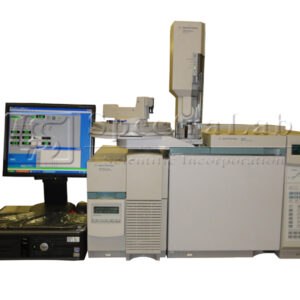
$25000 USD
SpectraLab Scientific is a global leader of Refurbished analytical equipment. We specialize in reconditioning equipment, integrating the best available technologies from leading manufacturers across the industry. We are committed to quality and service, delivering strong customer satisfaction. We stock over 10,000 pre-owned lab equipment, components, and mix-and-match parts for your systems.
We care about your privacy
In order to provide you a personalized shopping experience, our site uses cookies. By continuing to use this site, you are agreeing to our cookie policy.