Herbal Medicine
Analysis of plant-based products to verify active ingredients, ensure purity, and detect contaminants, supporting quality and safety in natural health formulations.
Abscisic Acid
Overview
Abscisic acid (ABA) is a naturally occurring plant hormone that regulates growth, development, and stress responses such as drought tolerance and seed dormancy. Measuring its concentration is essential for understanding plant physiology, optimizing crop performance, and studying environmental adaptation mechanisms. Accurate quantification of ABA in plant extracts and agricultural samples provides valuable insight into plant metabolic regulation.
Test Methods
–
Solutions
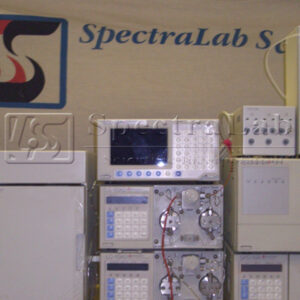
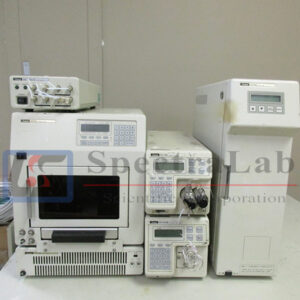
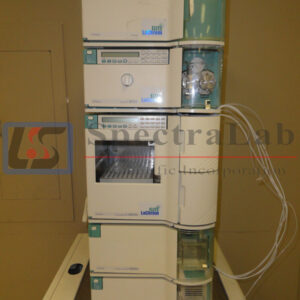
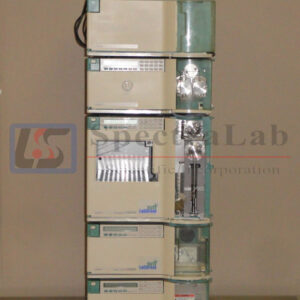
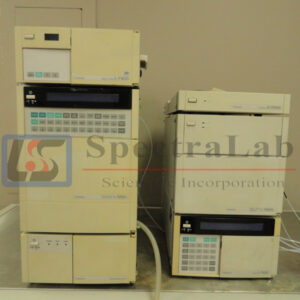
High-Performance Liquid Chromatography with Ultraviolet detection (HPLC-UV) is an effective and reliable technique for the analysis of abscisic acid. Using reversed-phase chromatography, ABA can be efficiently separated from other plant metabolites and detected at its characteristic UV absorbance wavelength, typically around 254–265 nm. The method provides excellent sensitivity, linearity, and reproducibility, making it suitable for research, agricultural testing, and quality control of plant-based products.
Featured HPLC-UV
Discover a wide range of lab equipment from top manufacturers at SpectraLab. View all to find more HPLC-UV equipment!
-
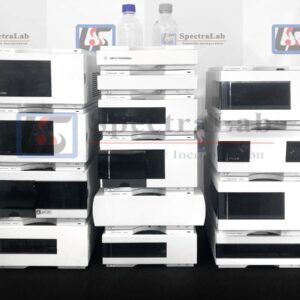
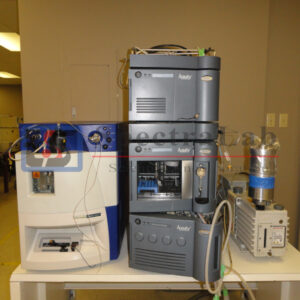
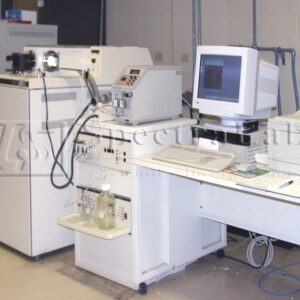
Waters Acquity UPLC System with ACQUITY UPLC TUV Detector, PDA Detector,FLR Detector
Item ID: RefurbishedIn Stock -
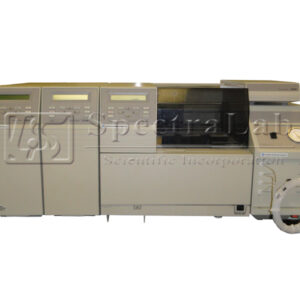
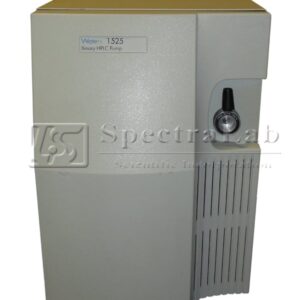
Waters HPLC system with 1525 Binary Pump, 717 Plus Autosampler, 2487 UV/Vis, 474 FLD or 2996 PDA
Item ID: RefurbishedIn StockPrice:$12000 USD
-
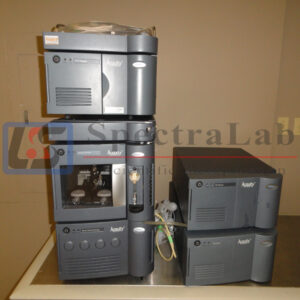
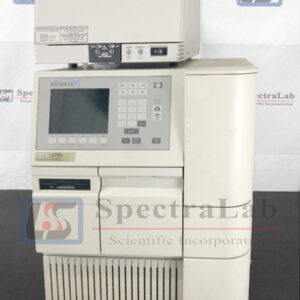
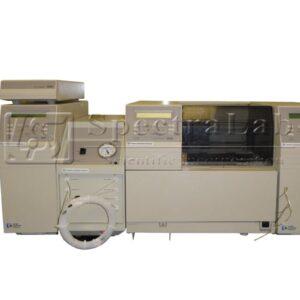
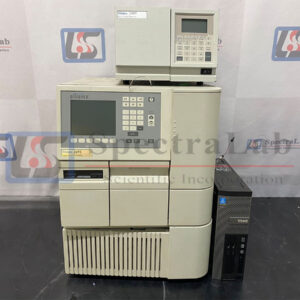
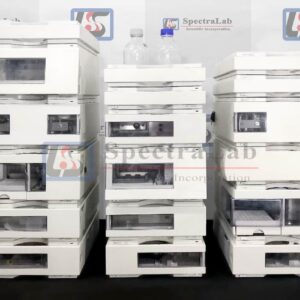
Waters Alliance 2690/2695 HPLC system with Waters 996 PDA
Item ID: RefurbishedIn StockPrice:$12000 USD
-
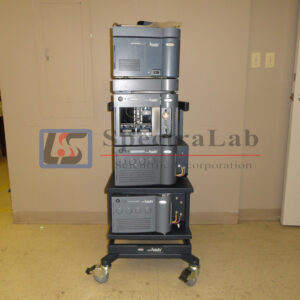
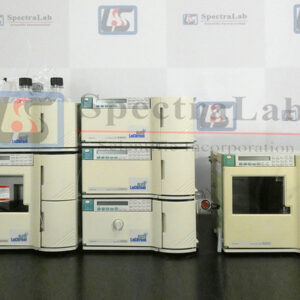
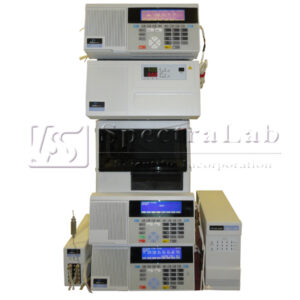
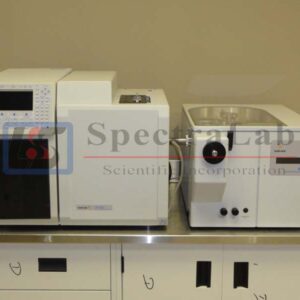
Varian ProStar Prep HPLC System with 345 UV/VIS Detector
Item ID: RefurbishedIn StockPrice:$8500 USD
-
Shimadzu VP Basic Manual HPLC with SPD-10A Uv/Vis Detector and LC-10AD pump
Item ID: RefurbishedIn Stock
-
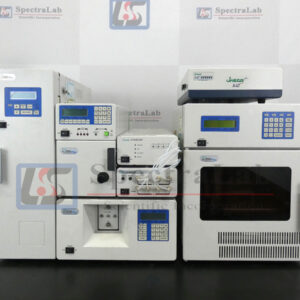
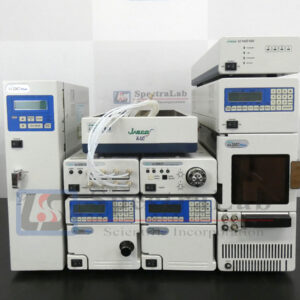
Jasco LC-2000Plus HPLC System with FP-2020Plus Intelligent Fluorescence Detector
Item ID: RefurbishedIn Stock -
Jasco LC-2000Plus HPLC System with UV-2075Plus Intelligent UV-Vis Detector
Item ID: RefurbishedIn Stock
-
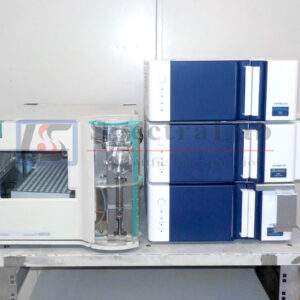
Hitachi Chromaster HPLC System, includes 5430 DAD, 5310 Column Oven, 5160 Pump, and Autosampler
Item ID: RefurbishedOn Backorder
Ascorbic Acid in Orange Juice
Overview
Ascorbic acid (vitamin C) is an essential nutrient and antioxidant naturally present in citrus fruits such as oranges. It contributes to immune function, collagen synthesis, and protection against oxidative stress. Because vitamin C is sensitive to heat, light, and oxygen, its concentration in orange juice can decrease during processing and storage. Accurate measurement of ascorbic acid content is therefore critical for quality assurance, nutritional labeling, and shelf-life evaluation.
Test Methods
Solutions
High-Performance Liquid Chromatography (HPLC) provides a precise and reliable method for the determination of ascorbic acid in orange juice. Using reversed-phase chromatography with an aqueous acidic mobile phase, ascorbic acid is efficiently separated from other naturally occurring compounds and detected by UV absorbance, typically at 245–265 nm. The method offers excellent sensitivity, linearity, and reproducibility, enabling accurate quantification even in complex juice matrices. HPLC analysis supports routine quality control, product development, and verification of vitamin C content in beverages and nutritional products.
Featured HPLC
Discover a wide range of lab equipment from top manufacturers at SpectraLab. View all to find more HPLC equipment!
-
Shimadzu HPLC System with LC-10AD pump, SIL-10AXL Autoinjector and SPD-10A UV/vis Detector
Item ID: RefurbishedIn Stock
Capsaicin
Overview
Capsaicin is the active alkaloid responsible for the pungency in chili peppers and is widely studied for its pharmacological, food, and cosmetic applications. Quantifying capsaicin content is essential for evaluating product potency, ensuring consistency in food and nutraceutical formulations, and maintaining compliance with labeling and safety standards.
Test Methods
–
Solutions
High-Performance Liquid Chromatography with Ultraviolet detection (HPLC-UV) provides a reliable and accurate method for determining capsaicin in plant extracts, foods, and topical formulations. Using a reversed-phase C18 column, capsaicin is separated from related capsaicinoids and detected at a wavelength typically around 280 nm. The technique offers excellent sensitivity, linearity, and reproducibility, making it ideal for quality control, research, and product development involving chili-derived ingredients.
Featured HPLC-UV
Discover a wide range of lab equipment from top manufacturers at SpectraLab. View all to find more HPLC-UV equipment!
-
Waters Acquity UPLC System with ACQUITY UPLC TUV Detector, PDA Detector,FLR Detector
Item ID: RefurbishedIn Stock -
Waters HPLC system with 1525 Binary Pump, 717 Plus Autosampler, 2487 UV/Vis, 474 FLD or 2996 PDA
Item ID: RefurbishedIn StockPrice:$12000 USD
-
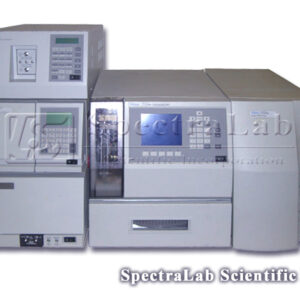
Waters Alliance 2690/2695 HPLC system with Waters 996 PDA
Item ID: RefurbishedIn StockPrice:$12000 USD
-
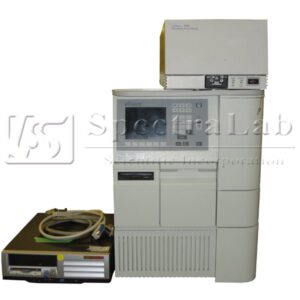
Varian ProStar Prep HPLC System with 345 UV/VIS Detector
Item ID: RefurbishedIn StockPrice:$8500 USD
-
Shimadzu VP Basic Manual HPLC with SPD-10A Uv/Vis Detector and LC-10AD pump
Item ID: RefurbishedIn Stock
-
Jasco LC-2000Plus HPLC System with FP-2020Plus Intelligent Fluorescence Detector
Item ID: RefurbishedIn Stock -
Jasco LC-2000Plus HPLC System with UV-2075Plus Intelligent UV-Vis Detector
Item ID: RefurbishedIn Stock
-
Hitachi Chromaster HPLC System, includes 5430 DAD, 5310 Column Oven, 5160 Pump, and Autosampler
Item ID: RefurbishedOn Backorder
Ginkgo Leaf (Ginkgo biloba)
Overview
Ginkgo (Ginkgo biloba) leaf is a widely studied medicinal plant known for its therapeutic compounds such as flavonoid glycosides, terpenoid lactones (ginkgolides and bilobalide), and various organic acids and esters. These bioactive components are associated with antioxidant, neuroprotective, and circulatory benefits, making Ginkgo biloba extracts common ingredients in herbal medicines and nutraceuticals. To ensure product efficacy, safety, and authenticity, accurate compositional analysis of volatile and semi-volatile constituents is essential, especially to detect adulteration, assess extraction efficiency, and confirm batch consistency.
Test Methods
–
Solutions
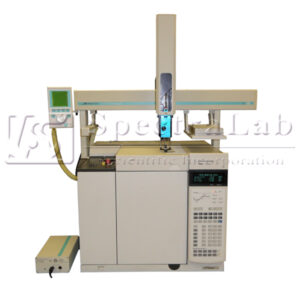
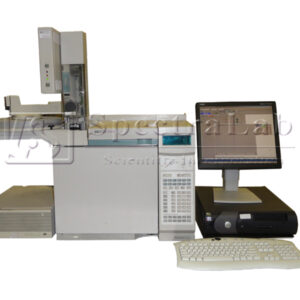
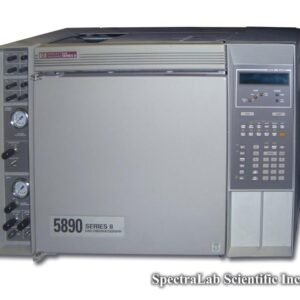
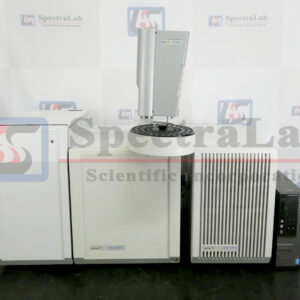
Gas Chromatography with Flame Ionization Detection (GC-FID) is a precise and robust technique for analyzing the volatile compounds and essential oil components in Ginkgo biloba leaves. Prior to analysis, samples are typically extracted using solvent extraction, steam distillation, or solid-phase microextraction (SPME). The GC system separates the mixture based on volatility and polarity, allowing detailed profiling of aromatic hydrocarbons, terpenes, fatty acid esters, and other organic constituents. The Flame Ionization Detector provides high sensitivity and a broad linear response for quantitative evaluation. GC-FID offers excellent reproducibility, making it ideal for routine quality control, standardization of Ginkgo biloba extracts, and research into the chemical composition and stability of herbal formulations.
Featured GC-FID
Discover a wide range of lab equipment from top manufacturers at SpectraLab. View all to find more GC-FID equipment!
-
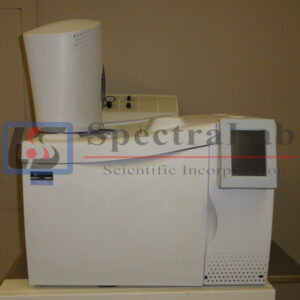
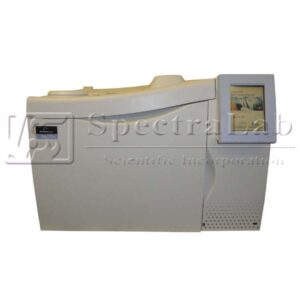
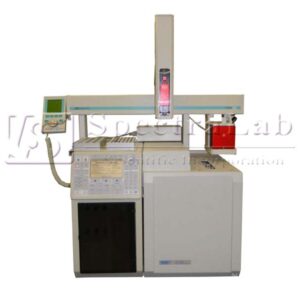
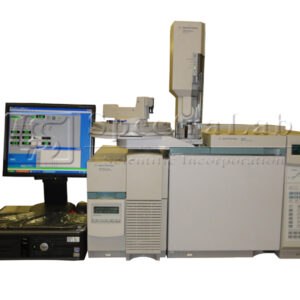
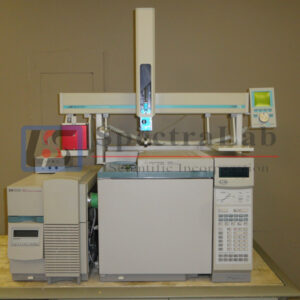
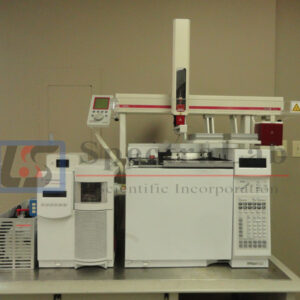
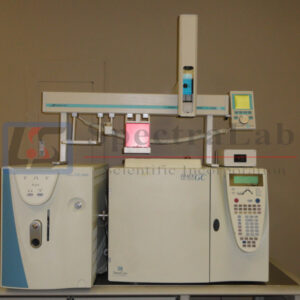
Agilent 6890 GC with FID/ECD or NPD, Agilent G1512A Controller and Agilent 6890 Auto Injector
Item ID: RefurbishedIn Stock -
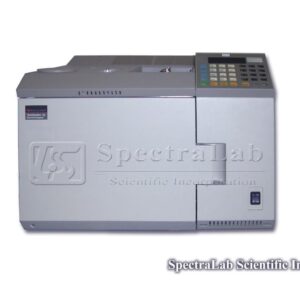
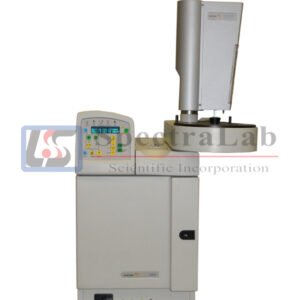
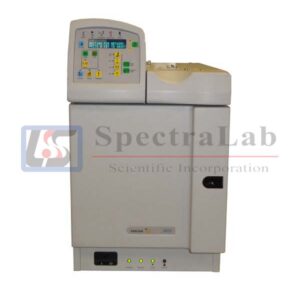
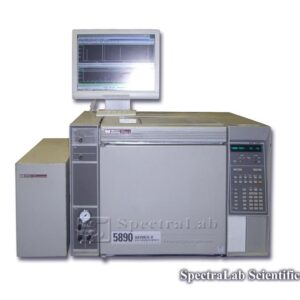
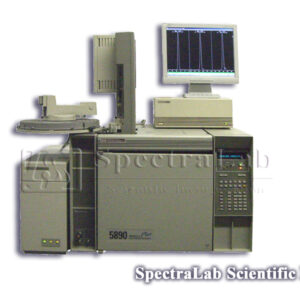
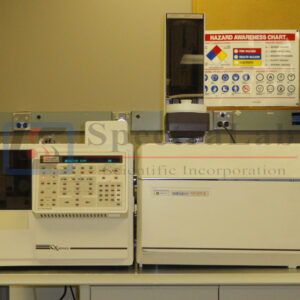
HP 5890 II GC with Dual FIDs, Split/splitless Inlet and Purged Packed Inlet
Item ID: RefurbishedIn Stock
Green Tea Extracts (Catechins)
Overview
Argon, oxygen, and nitrogen are the main components of air and play important roles in many industries. Argon is an inert gas often used in welding and as a protective atmosphere for sensitive materials. Oxygen is essential for combustion and biological processes, while nitrogen is widely used as an inert or carrier gas in manufacturing and research. Measuring their concentrations accurately is important for applications in gas production, environmental testing, and industrial quality control, where the right gas balance ensures safety and process efficiency.
Test Methods
–
Solutions
High-Performance Liquid Chromatography with Ultraviolet detection (HPLC-UV) provides a precise and reproducible method for the separation and quantification of catechins in green tea extracts. Using a reversed-phase C18 column and gradient elution with aqueous and organic mobile phases, individual catechins are efficiently resolved and detected at a wavelength typically around 280 nm. The method offers excellent sensitivity, linearity, and repeatability, enabling accurate profiling of major and minor catechins. HPLC-UV is widely used for quality control, standardization, and research on antioxidant composition in green tea and related botanical products.
Featured HPLC-UV
Discover a wide range of lab equipment from top manufacturers at SpectraLab. View all to find more HPLC-UV equipment!
-
Waters Acquity UPLC System with ACQUITY UPLC TUV Detector, PDA Detector,FLR Detector
Item ID: RefurbishedIn Stock -
Waters HPLC system with 1525 Binary Pump, 717 Plus Autosampler, 2487 UV/Vis, 474 FLD or 2996 PDA
Item ID: RefurbishedIn StockPrice:$12000 USD
-
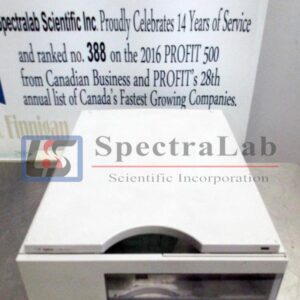
Waters Alliance 2690/2695 HPLC system with Waters 996 PDA
Item ID: RefurbishedIn StockPrice:$12000 USD
-
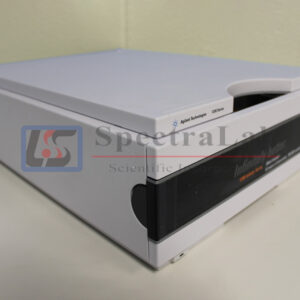
Varian ProStar Prep HPLC System with 345 UV/VIS Detector
Item ID: RefurbishedIn StockPrice:$8500 USD
-
Shimadzu VP Basic Manual HPLC with SPD-10A Uv/Vis Detector and LC-10AD pump
Item ID: RefurbishedIn Stock
-
Jasco LC-2000Plus HPLC System with FP-2020Plus Intelligent Fluorescence Detector
Item ID: RefurbishedIn Stock -
Jasco LC-2000Plus HPLC System with UV-2075Plus Intelligent UV-Vis Detector
Item ID: RefurbishedIn Stock
-
Hitachi Chromaster HPLC System, includes 5430 DAD, 5310 Column Oven, 5160 Pump, and Autosampler
Item ID: RefurbishedOn Backorder
Green Tea Metabolomes
Overview
Metabolomic profiling of green tea (Camellia sinensis) leaves provides comprehensive insight into their complex biochemical composition, including amino acids, polyphenols, alkaloids, organic acids, and volatile compounds. Understanding these metabolites is essential for assessing tea quality, flavor, and health-promoting properties, as well as for studying the effects of cultivation conditions, processing methods, and varietal differences. Advanced metabolomic approaches enable researchers to characterize subtle variations that define the sensory and functional attributes of green tea.
Test Methods
Solutions
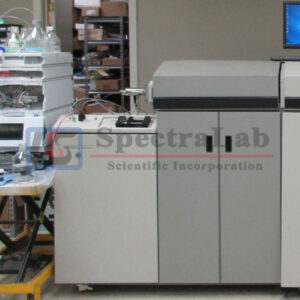
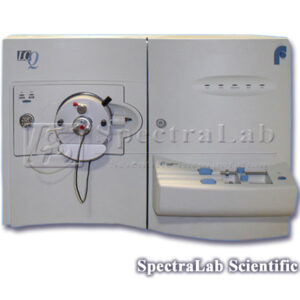
Liquid Chromatography–Mass Spectrometry (LC-MS) and Gas Chromatography–Mass Spectrometry (GC-MS) are complementary techniques that together provide a powerful platform for untargeted and targeted metabolomic analysis of green tea leaves. LC-MS excels in detecting non-volatile and thermally labile compounds such as catechins, theanine, and caffeine, while GC-MS is ideal for profiling volatile and semi-volatile metabolites like aldehydes, terpenes, and fatty acids after derivatization. By combining both methods, a comprehensive metabolic fingerprint can be obtained, offering high sensitivity, selectivity, and reproducibility. These techniques are invaluable for quality assessment, authenticity verification, and biochemical research in tea science and nutraceutical development.
Featured LC-MS
Discover a wide range of lab equipment from top manufacturers at SpectraLab. View all to find more LC-MS equipment!
-
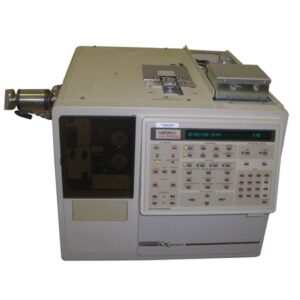
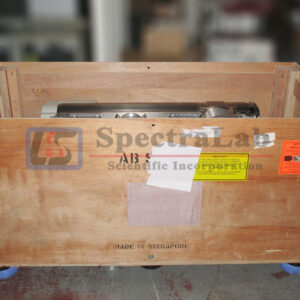
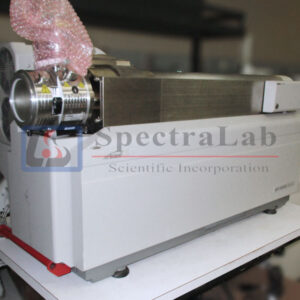
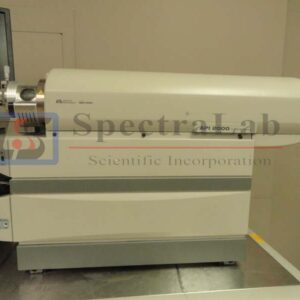
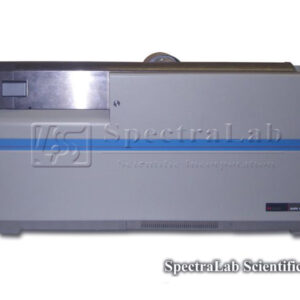
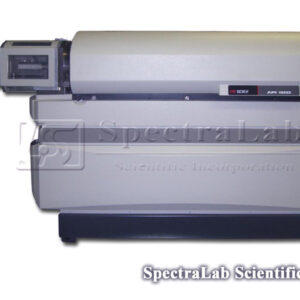
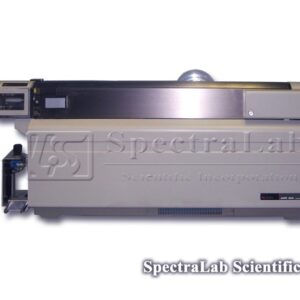
AB Sciex API 3000 LC/MS/MS with Agilent Technologies Turbo V 551 Navigator
Item ID: RefurbishedIn Stock
Featured LC-MS
Discover a wide range of lab equipment from top manufacturers at SpectraLab. View all to find more LC-MS equipment!
-
AB Sciex API 3000 LC/MS/MS with Agilent Technologies Turbo V 551 Navigator
Item ID: RefurbishedIn Stock
Morphine and Codeine
Overview
Morphine and codeine are naturally occurring opiate alkaloids derived from the opium poppy (Papaver somniferum). They are widely used as analgesics and antitussives, but their potential for misuse necessitates accurate monitoring in pharmaceutical formulations and biological samples. Determining the concentration of morphine and codeine is essential for quality control, pharmacokinetic studies, and forensic or clinical toxicology applications.
Test Methods
Solutions
High-Performance Liquid Chromatography (HPLC) offers a precise and reliable method for the simultaneous analysis of morphine and codeine. Using a reversed-phase C18 column and an appropriate mobile phase—often a mixture of aqueous buffer and organic solvent—both compounds can be efficiently separated and detected by UV absorbance, typically around 285 nm. HPLC provides excellent resolution, linearity, and reproducibility, allowing accurate quantification of opiate content in pharmaceuticals and biological matrices. This method is widely applied in quality assurance, regulatory testing, and therapeutic drug monitoring.
Featured HPLC
Discover a wide range of lab equipment from top manufacturers at SpectraLab. View all to find more HPLC equipment!
-
Shimadzu HPLC System with LC-10AD pump, SIL-10AXL Autoinjector and SPD-10A UV/vis Detector
Item ID: RefurbishedIn Stock
Polychlorinated Biphenyls (PCBs) in Fish Oil Supplements
Overview
Polychlorinated biphenyls (PCBs) are persistent organic pollutants that can accumulate in the environment and bioaccumulate in fatty tissues, including fish. Because fish oil supplements are derived from marine sources, monitoring PCB contamination is essential to ensure consumer safety and compliance with stringent international regulations. Accurate determination of PCB levels helps verify product purity, assess environmental exposure, and maintain the integrity of nutraceutical and pharmaceutical-grade oils.
Test Methods
–
Solutions
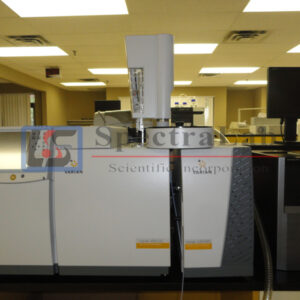
Gas Chromatography–Mass Spectrometry (GC-MS) provides a highly sensitive and selective method for the detection and quantification of PCBs in fish oil supplements. The technique involves extraction and cleanup of the oil matrix, followed by chromatographic separation of PCB congeners based on volatility and polarity. The mass spectrometer identifies individual PCBs through characteristic fragmentation patterns and ion ratios, enabling precise quantification even at trace levels. GC-MS delivers superior resolution, reproducibility, and sensitivity, making it the gold standard for regulatory compliance testing and quality assurance in fish oil and other lipid-based nutraceutical products.
Featured GC-MS
Discover a wide range of lab equipment from top manufacturers at SpectraLab. View all to find more GC-MS equipment!
-
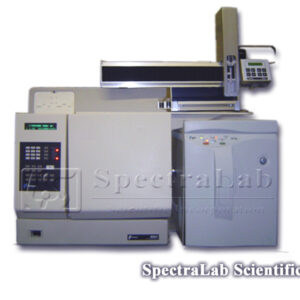
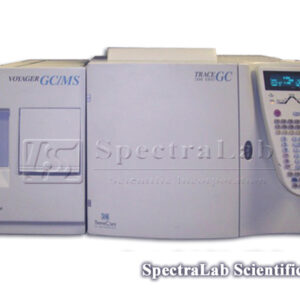
HP 5973 EI/CI MSD G1099A with 6890 Plus GC & CTC Analytics Combi PAL Autosampler
Item ID: RefurbishedIn StockPrice:$25000 USD
-
HP 5972 MSD with HP 5890 II GC, HP 7673B Autosampler, Data System and Rough Pump
Item ID: RefurbishedIn Stock
Residual Solvents
Overview
Residual solvents are volatile organic chemicals used during the manufacturing of pharmaceuticals, nutraceuticals, and chemical products. These solvents may remain in the final product if not completely removed and can pose safety, toxicity, or quality concerns. Monitoring residual solvent levels is essential to ensure compliance with regulatory guidelines such as ICH Q3C, USP <467>, and to verify that manufacturing processes meet safety and purity standards.
Test Methods
–
Solutions
Gas Chromatography with Flame Ionization Detection (GC-FID) is the preferred technique for the determination of residual solvents due to its high sensitivity, accuracy, and wide dynamic range. The method separates and quantifies individual solvents based on volatility and polarity, allowing simultaneous detection of multiple compounds in a single run. Headspace sampling is often used to isolate volatile solvents from complex matrices without interference. GC-FID provides excellent reproducibility, linearity, and robustness, making it ideal for routine quality control and regulatory compliance testing in pharmaceutical and industrial laboratories.
Featured GC-FID
Discover a wide range of lab equipment from top manufacturers at SpectraLab. View all to find more GC-FID equipment!
-
Agilent 6890 GC with FID/ECD or NPD, Agilent G1512A Controller and Agilent 6890 Auto Injector
Item ID: RefurbishedIn Stock -
HP 5890 II GC with Dual FIDs, Split/splitless Inlet and Purged Packed Inlet
Item ID: RefurbishedIn Stock
Rose Oil
Overview
Rose oil, obtained from Rosa damascena or Rosa centifolia, is a highly valued essential oil used in perfumery, cosmetics, and aromatherapy. It contains a complex mixture of volatile compounds, including monoterpenes, sesquiterpenes, alcohols, and esters such as citronellol, geraniol, and nerol, which define its characteristic aroma and therapeutic properties. Comprehensive chemical profiling of rose oil is essential for quality control, authenticity verification, and detection of adulteration in commercial formulations.
Test Methods
–
Solutions
Gas Chromatography–Mass Spectrometry (GC-MS) is the preferred analytical technique for the detailed characterization of rose oil composition. The GC system separates volatile constituents based on differences in boiling point and polarity, while the mass spectrometer provides molecular identification through characteristic mass fragmentation patterns. This approach enables the detection and quantification of major and trace compounds, including subtle variations in isomeric forms. GC-MS delivers exceptional sensitivity, selectivity, and reproducibility, making it ideal for authenticity testing, formulation development, and comparative studies of essential oils in fragrance and cosmetic applications.
Featured GC-MS
Discover a wide range of lab equipment from top manufacturers at SpectraLab. View all to find more GC-MS equipment!
-
HP 5973 EI/CI MSD G1099A with 6890 Plus GC & CTC Analytics Combi PAL Autosampler
Item ID: RefurbishedIn StockPrice:$25000 USD
-
HP 5972 MSD with HP 5890 II GC, HP 7673B Autosampler, Data System and Rough Pump
Item ID: RefurbishedIn Stock
Rosemary Oil
Overview
Rosemary oil, derived from Rosmarinus officinalis, is an aromatic essential oil valued for its antioxidant, antimicrobial, and therapeutic properties. Its key constituents—such as 1,8-cineole, camphor, α-pinene, and borneol—contribute to its characteristic fragrance and biological activity. Accurate compositional analysis of rosemary oil is crucial for ensuring quality, verifying authenticity, and maintaining consistency across cosmetic, food, and pharmaceutical applications.
Test Methods
–
Solutions
Gas Chromatography–Mass Spectrometry (GC-MS) provides a powerful and precise method for the identification and quantification of volatile compounds in rosemary essential oil. The gas chromatograph separates individual terpenes and oxygenated derivatives based on volatility and polarity, while the mass spectrometer confirms compound identity through unique fragmentation patterns. GC-MS enables detailed profiling of both major and minor constituents, allowing detection of adulteration and batch variability. This technique offers high sensitivity, selectivity, and reproducibility, making it the gold standard for quality control, research, and formulation development in essential oil analysis.
Featured GC-MS
Discover a wide range of lab equipment from top manufacturers at SpectraLab. View all to find more GC-MS equipment!
-
HP 5973 EI/CI MSD G1099A with 6890 Plus GC & CTC Analytics Combi PAL Autosampler
Item ID: RefurbishedIn StockPrice:$25000 USD
-
HP 5972 MSD with HP 5890 II GC, HP 7673B Autosampler, Data System and Rough Pump
Item ID: RefurbishedIn Stock
Saw Palmetto Berry
Overview
Saw palmetto (Serenoa repens) berries are a rich natural source of fatty acids and phytosterols that are widely used in herbal supplements for supporting prostate and urinary health. The composition and concentration of these bioactive lipids are key indicators of product quality and efficacy. Accurate analysis of fatty acid and sterol profiles is therefore essential for standardizing extracts, detecting adulteration, and ensuring batch-to-batch consistency in nutraceutical formulations.
Test Methods
–
Solutions
Gas Chromatography with Flame Ionization Detection (GC-FID) provides a reliable and quantitative method for analyzing the lipid composition of saw palmetto berry extracts. After derivatization of fatty acids to their methyl esters (FAMEs), the GC system separates individual components based on chain length and degree of unsaturation, while the FID enables sensitive and linear quantification. This method offers excellent precision, reproducibility, and resolution, making it ideal for quality control, authenticity verification, and compositional profiling of Serenoa repens extracts used in dietary and herbal products.
Featured GC-FID
Discover a wide range of lab equipment from top manufacturers at SpectraLab. View all to find more GC-FID equipment!
-
Agilent 6890 GC with FID/ECD or NPD, Agilent G1512A Controller and Agilent 6890 Auto Injector
Item ID: RefurbishedIn Stock -
HP 5890 II GC with Dual FIDs, Split/splitless Inlet and Purged Packed Inlet
Item ID: RefurbishedIn Stock
Sucrose
Overview
Sucrose, a disaccharide composed of glucose and fructose, is a primary carbohydrate found in many foods, beverages, and natural products. It plays a key role in determining sweetness, caloric content, and product quality. Accurate quantification of sucrose is essential in food manufacturing, quality control, nutritional labeling, and metabolic studies, especially when monitoring sugar composition in complex matrices such as plant extracts or processed foods.
Test Methods
Solutions
Liquid Chromatography–Mass Spectrometry (LC-MS) provides a sensitive and selective method for the detection and quantification of sucrose in diverse sample types. The LC component separates sucrose from other saccharides and matrix interferences using hydrophilic interaction (HILIC) or reversed-phase chromatography, while the mass spectrometer detects the molecule based on its characteristic mass-to-charge ratio (m/z 341 for [M+Na]⁺). LC-MS offers high accuracy, reproducibility, and low detection limits without the need for derivatization. This method is ideal for detailed carbohydrate profiling, product authentication, and research on sugar metabolism and formulation stability.
Featured LC-MS
Discover a wide range of lab equipment from top manufacturers at SpectraLab. View all to find more LC-MS equipment!
-
AB Sciex API 3000 LC/MS/MS with Agilent Technologies Turbo V 551 Navigator
Item ID: RefurbishedIn Stock
Trace Solvents
Overview
Trace solvents are low-level residual volatile organic compounds that may remain in pharmaceuticals, cosmetics, and chemical products after synthesis or processing. Even at very small concentrations, these solvents can affect product stability, safety, and compliance with international standards. Accurate quantification of trace solvent levels is essential to ensure product quality and adherence to regulatory requirements such as ICH Q3C and USP <467>.
Test Methods
–
Solutions
Gas Chromatography with Flame Ionization Detection (GC-FID) provides a precise and highly sensitive method for detecting and quantifying trace levels of organic solvents. The technique separates volatile components based on their boiling points and polarity, with FID offering a wide linear dynamic range and strong response to hydrocarbons. Headspace GC-FID is commonly employed to minimize matrix interference and enhance reproducibility. This method delivers excellent sensitivity, accuracy, and reliability, making it ideal for routine quality control and regulatory compliance testing of trace solvent residues in a variety of product matrices.
Featured GC-FID
Discover a wide range of lab equipment from top manufacturers at SpectraLab. View all to find more GC-FID equipment!
-
Agilent 6890 GC with FID/ECD or NPD, Agilent G1512A Controller and Agilent 6890 Auto Injector
Item ID: RefurbishedIn Stock -
HP 5890 II GC with Dual FIDs, Split/splitless Inlet and Purged Packed Inlet
Item ID: RefurbishedIn Stock
Vitamins
Overview
Vitamins are essential micronutrients that support a wide range of physiological functions, including metabolism, immunity, and cellular health. Accurate quantification of vitamins in foods, supplements, and pharmaceuticals is crucial for ensuring nutritional adequacy, verifying label claims, and maintaining compliance with regulatory standards. Because vitamins differ in polarity, stability, and solubility, reliable analytical methods are needed to separate and quantify multiple classes—such as water-soluble (B-complex, C) and fat-soluble (A, D, E, K) vitamins.
Test Methods
–
Solutions
High-Performance Liquid Chromatography with Ultraviolet detection (HPLC-UV) is a versatile and widely used technique for vitamin analysis. Using reversed-phase or ion-pair chromatography, individual vitamins can be efficiently separated and detected at their characteristic UV absorption wavelengths. HPLC-UV provides high precision, sensitivity, and reproducibility for both single- and multi-vitamin determinations. This method is ideal for routine quality control, formulation testing, and nutritional analysis in food, pharmaceutical, and nutraceutical applications.
Featured HPLC-UV
Discover a wide range of lab equipment from top manufacturers at SpectraLab. View all to find more HPLC-UV equipment!
-
Waters Acquity UPLC System with ACQUITY UPLC TUV Detector, PDA Detector,FLR Detector
Item ID: RefurbishedIn Stock -
Waters HPLC system with 1525 Binary Pump, 717 Plus Autosampler, 2487 UV/Vis, 474 FLD or 2996 PDA
Item ID: RefurbishedIn StockPrice:$12000 USD
-
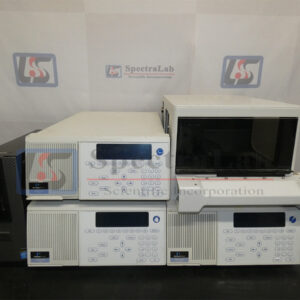
Waters Alliance 2690/2695 HPLC system with Waters 996 PDA
Item ID: RefurbishedIn StockPrice:$12000 USD
-
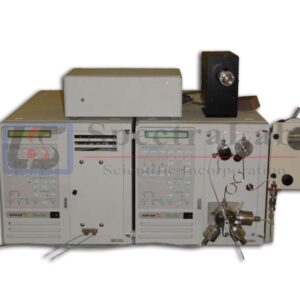
Varian ProStar Prep HPLC System with 345 UV/VIS Detector
Item ID: RefurbishedIn StockPrice:$8500 USD
-
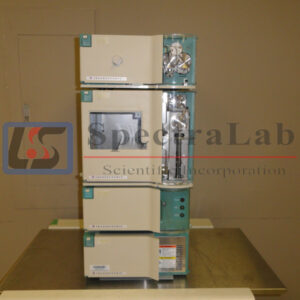
Shimadzu VP Basic Manual HPLC with SPD-10A Uv/Vis Detector and LC-10AD pump
Item ID: RefurbishedIn Stock
-
Jasco LC-2000Plus HPLC System with FP-2020Plus Intelligent Fluorescence Detector
Item ID: RefurbishedIn Stock -
Jasco LC-2000Plus HPLC System with UV-2075Plus Intelligent UV-Vis Detector
Item ID: RefurbishedIn Stock
-
Hitachi Chromaster HPLC System, includes 5430 DAD, 5310 Column Oven, 5160 Pump, and Autosampler
Item ID: RefurbishedOn Backorder
Vitamin B12
Overview
Benzene is a volatile aromatic compound often present as a trace contaminant in hydrocarbon solvents such as toluene, xylene, and hexane. Even at very low levels, benzene poses serious health and safety concerns due to its toxicity and carcinogenic nature. Monitoring benzene concentration in solvents is therefore essential for ensuring product purity, regulatory compliance, and worker safety in chemical manufacturing, laboratory, and industrial applications.
Test Methods
–
Solutions
Liquid Chromatography–Mass Spectrometry (LC-MS) provides a highly sensitive and specific method for the determination of vitamin B₁₂ and its analogs in food, supplements, and biological samples. The LC system separates the different cobalamin forms based on polarity and molecular interactions, while the mass spectrometer detects and quantifies them using characteristic mass-to-charge ratios and fragmentation patterns. LC-MS offers excellent selectivity, low detection limits, and high reproducibility, enabling accurate profiling of vitamin B₁₂ even in complex matrices. This technique is ideal for nutritional quality control, clinical diagnostics, and research applications in food and health sciences.
Featured LC-MS
Discover a wide range of lab equipment from top manufacturers at SpectraLab. View all to find more LC-MS equipment!
-
AB Sciex API 3000 LC/MS/MS with Agilent Technologies Turbo V 551 Navigator
Item ID: RefurbishedIn Stock
SpectraLab Scientific Inc
Established in 2003,
SpectraLab Scientific is a global leader of Refurbished analytical equipment. We specialize in reconditioning equipment, integrating the best available technologies from leading manufacturers across the industry. We are committed to quality and service, delivering strong customer satisfaction. We stock over 10,000 pre-owned lab equipment, components, and mix-and-match parts for your systems.