Chlorinated / POPs
Monitoring of chlorinated and persistent organic pollutants (POPs) such as PCBs, dioxins, and chlorinated hydrocarbons commonly found in industrial emissions and legacy waste.
1,2-Dibromoethane and 1,2-Dibromo-3-chloropropane
Overview
1,2-Dibromoethane (EDB) and 1,2-Dibromo-3-chloropropane (DBCP) are brominated organic compounds that were once widely used as soil fumigants and nematocides. Although highly effective for pest control, both chemicals are now recognized for their toxicity and environmental persistence. EDB and DBCP can contaminate soil, groundwater, and air, posing risks to human health and ecosystems even at low concentrations. Because of their volatility and stability, sensitive analytical methods are required to detect and quantify these compounds accurately in environmental and regulatory monitoring programs.
Test Methods
Solutions
Gas Chromatography with Electron Capture Detection (GC–ECD) provides a precise and highly sensitive method for analyzing halogenated compounds such as 1,2-dibromoethane and 1,2-dibromo-3-chloropropane. The ECD responds strongly to electronegative elements like bromine and chlorine, allowing for the detection of trace levels in complex environmental matrices such as water, soil, and air. GC–ECD offers excellent selectivity, stability, and reproducibility, making it a preferred technique for regulatory compliance testing and contamination assessment. This method enables laboratories to confidently identify and quantify these compounds, supporting environmental protection and public health monitoring efforts.
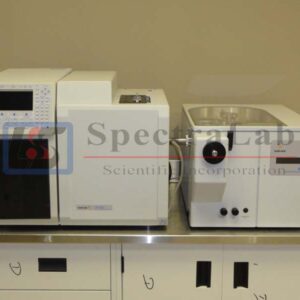
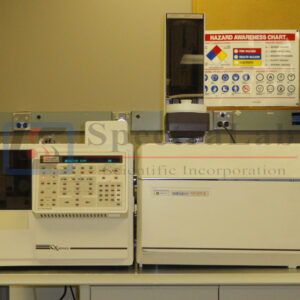
Featured GC-ECD
Discover a wide range of lab equipment from top manufacturers at SpectraLab. View all to find more GC-ECD equipment!
-
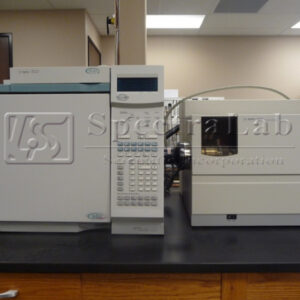
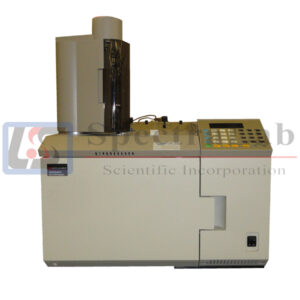
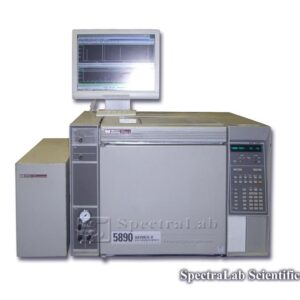
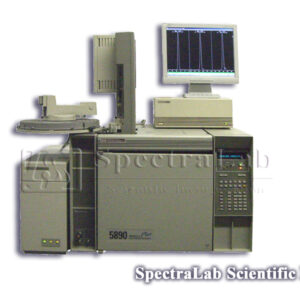
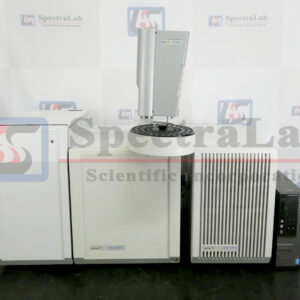
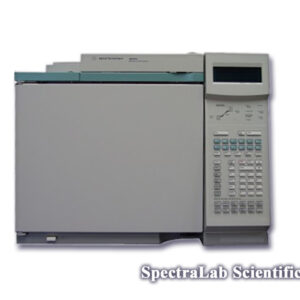
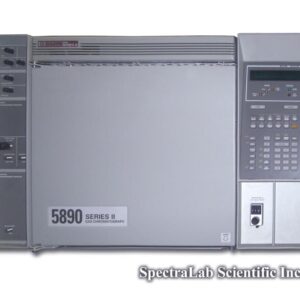
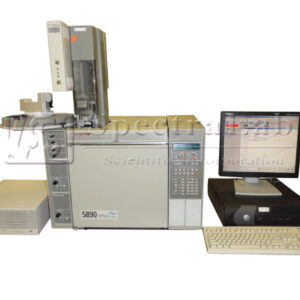
HP 5890 II GC with ECD and NPD, Split/splitless Inlet and on-column Inlet
Item ID: RefurbishedIn Stock
Polychlorinated Biphenyls (PCBs)
Overview
Polychlorinated biphenyls (PCBs) are a group of synthetic organic chemicals composed of chlorine atoms attached to biphenyl molecules. They were widely used in electrical equipment, hydraulic systems, and other industrial applications due to their chemical stability and heat resistance. However, PCBs are highly persistent in the environment and can accumulate in living organisms, leading to long-term ecological and health effects. Many countries have banned or severely restricted their use, but residues remain in soils, sediments, and biological tissues. Ongoing monitoring of PCBs is essential to assess contamination, track environmental recovery, and ensure compliance with regulatory standards.
Test Methods
Solutions
Gas Chromatography with Electron Capture Detection (GC–ECD) and Electrolytic Conductivity Detection (GC–ELCD) are highly effective methods for analyzing PCBs in environmental and industrial samples. The GC–ECD is exceptionally sensitive to halogenated compounds, enabling detection of PCBs at trace levels in complex matrices such as soil, water, and biological samples. GC–ELCD complements this approach by providing element-specific detection through conductivity changes after halogen conversion, improving accuracy and quantitation. Together, these techniques deliver reliable and reproducible results for identifying and measuring PCB congeners. Their combination allows laboratories to meet stringent analytical requirements for environmental monitoring, remediation projects, and regulatory compliance.
Featured GC-ECD
Discover a wide range of lab equipment from top manufacturers at SpectraLab. View all to find more GC-ECD equipment!
-
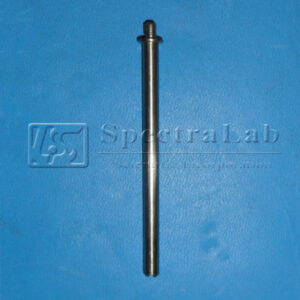
Injector Mounting Post for Agilent 7673 Series Autosamplers for use with 5890 GCs
Item ID: Pre-ownedIn StockPrice:$150 USD
-
HP 5890 II GC with ECD and NPD, Split/splitless Inlet and on-column Inlet
Item ID: RefurbishedIn Stock
Polychlorinated Compounds (PCDDs and PCDFs)
Overview
Polychlorinated dibenzo-p-dioxins (PCDDs) and polychlorinated dibenzofurans (PCDFs) are highly toxic, persistent organic pollutants formed as unintentional byproducts of industrial processes such as waste incineration, chemical manufacturing, and pulp bleaching. These compounds are chemically stable and tend to accumulate in the environment and in biological tissues, posing long-term risks to human health and wildlife. Due to their extreme toxicity and persistence, PCDDs and PCDFs are subject to strict international regulation and monitoring under frameworks such as the Stockholm Convention. Accurate measurement of these contaminants is essential for environmental protection, food safety, and public health risk assessment.
Test Methods
EPA Method 8280B
Solutions
Gas Chromatography coupled with Mass Spectrometry (GC–MS) provides a powerful and reliable method for the analysis of PCDDs and PCDFs. The technique separates complex mixtures of dioxin and furan congeners and identifies them based on their molecular mass and fragmentation patterns. GC–MS offers high sensitivity, selectivity, and precision, allowing quantification of these compounds at ultra-trace levels in environmental, biological, and industrial samples. When combined with isotope-dilution techniques and high-resolution MS, this method meets stringent regulatory and analytical standards. GC–MS enables laboratories to confidently monitor and report dioxin and furan concentrations, supporting compliance, risk evaluation, and environmental remediation efforts.
Featured GC-MS
Discover a wide range of lab equipment from top manufacturers at SpectraLab. View all to find more GC-MS equipment!
-
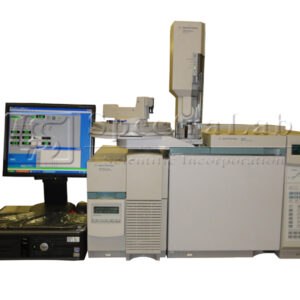
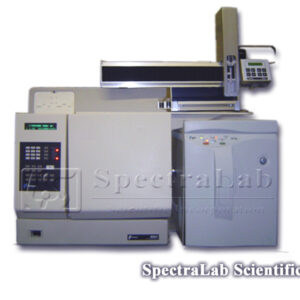
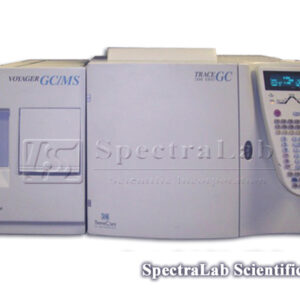
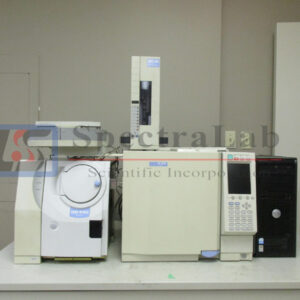
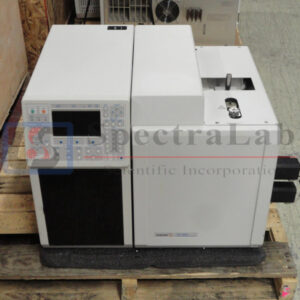
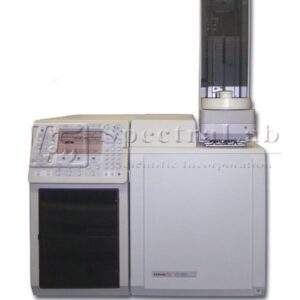
HP 5973 EI/CI MSD G1099A with 6890 Plus GC & CTC Analytics Combi PAL Autosampler
Item ID: RefurbishedIn StockPrice:$25000 USD
-
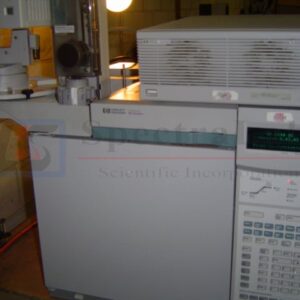
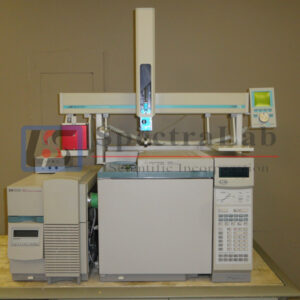
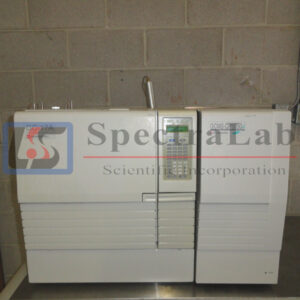
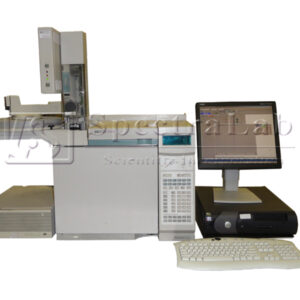
HP 5972 MSD with HP 5890 II GC, HP 7673B Autosampler, Data System and Rough Pump
Item ID: RefurbishedIn Stock
Polychlorinated Dibenzo Compounds (PCDDs & PCDFs)
Overview
Polychlorinated dibenzodioxins (PCDDs) and polychlorinated dibenzofurans (PCDFs) are a group of highly toxic, persistent organic pollutants formed mainly as byproducts of industrial activities such as combustion, metal processing, and chemical manufacturing. These compounds are extremely stable, resistant to degradation, and tend to accumulate in the environment and biological tissues. Even at very low concentrations, PCDDs and PCDFs can pose significant health risks, including carcinogenic and endocrine-disrupting effects. Because of their persistence and toxicity, they are strictly regulated worldwide, making accurate detection and quantification critical for environmental monitoring and public health protection.
Test Methods
EPA Method 8290A
Solutions
Gas Chromatography–Mass Spectrometry (GC–MS) provides a highly sensitive and selective method for analyzing PCDDs and PCDFs in a wide range of sample types, including air, soil, water, and biological tissues. The GC separates the complex mixture of congeners, while the MS identifies and quantifies them based on their molecular and fragmentation patterns. This technique allows precise measurement at ultra-trace levels and meets the stringent requirements of international regulatory standards. When coupled with isotope dilution and high-resolution capabilities, GC–MS delivers accurate, reproducible results. It is the preferred analytical approach for assessing contamination, verifying cleanup effectiveness, and supporting environmental compliance programs.
Featured GC-MS
Discover a wide range of lab equipment from top manufacturers at SpectraLab. View all to find more GC-MS equipment!
-
HP 5973 EI/CI MSD G1099A with 6890 Plus GC & CTC Analytics Combi PAL Autosampler
Item ID: RefurbishedIn StockPrice:$25000 USD
-
HP 5972 MSD with HP 5890 II GC, HP 7673B Autosampler, Data System and Rough Pump
Item ID: RefurbishedIn Stock
Chlorinated Hydrocarbons
Overview
Chlorinated hydrocarbons are a large group of organic compounds that contain chlorine atoms bonded to carbon. They have been widely used as solvents, degreasers, refrigerants, and pesticides due to their stability and effectiveness. However, many of these compounds are environmentally persistent and can accumulate in soil, water, and living organisms. Some are toxic and have been linked to adverse effects on human health and ecosystems. Because of their widespread use and potential hazards, accurate monitoring of chlorinated hydrocarbons is essential for environmental protection, industrial safety, and regulatory compliance.
Test Methods
Solutions
Gas Chromatography with Electron Capture Detection (GC–ECD) offers a highly sensitive and selective method for the analysis of chlorinated hydrocarbons. The ECD detector responds strongly to electronegative elements such as chlorine, allowing precise detection of these compounds even at trace levels. GC–ECD provides excellent resolution and stability, making it ideal for environmental testing, quality control, and contamination assessment. Laboratories use this technique to identify and quantify chlorinated hydrocarbons in air, water, soil, and industrial samples with high accuracy and reproducibility. This method supports effective monitoring and ensures compliance with environmental and safety standards.
Featured GC-ECD
Discover a wide range of lab equipment from top manufacturers at SpectraLab. View all to find more GC-ECD equipment!
-
Injector Mounting Post for Agilent 7673 Series Autosamplers for use with 5890 GCs
Item ID: Pre-ownedIn StockPrice:$150 USD
-
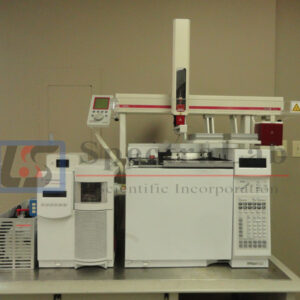
Agilent 6890 GC with FID/ECD or NPD, Agilent G1512A Controller and Agilent 6890 Auto Injector
Item ID: RefurbishedIn Stock -
HP 5890 II GC with ECD and NPD, Split/splitless Inlet and on-column Inlet
Item ID: RefurbishedIn Stock
Haloethers
Overview
Haloethers are a class of synthetic organic compounds containing halogen atoms—such as chlorine or bromine—bonded to ether molecules. They have been used as industrial solvents, chemical intermediates, and components in flame retardants. Some haloethers, however, are known to be toxic and resistant to degradation, leading to concerns about their persistence in the environment. These compounds can contaminate air, water, and soil, posing potential risks to human health and ecosystems. Monitoring haloethers is therefore important for assessing environmental quality, ensuring regulatory compliance, and protecting public health.
Test Methods
Solutions
Gas Chromatography with Electron Capture Detection (GC–ECD) provides a highly sensitive and reliable method for analyzing haloethers in environmental and industrial samples. The ECD is particularly responsive to halogenated compounds, allowing accurate detection of haloethers even at trace concentrations. GC–ECD combines excellent selectivity with precise quantitation, making it ideal for identifying and measuring haloethers in complex sample matrices such as air, water, and waste streams. This technique supports environmental monitoring programs and quality control efforts by delivering dependable results that meet regulatory and analytical standards.
Featured GC-ECD
Discover a wide range of lab equipment from top manufacturers at SpectraLab. View all to find more GC-ECD equipment!
-
Injector Mounting Post for Agilent 7673 Series Autosamplers for use with 5890 GCs
Item ID: Pre-ownedIn StockPrice:$150 USD
-
Agilent 6890 GC with FID/ECD or NPD, Agilent G1512A Controller and Agilent 6890 Auto Injector
Item ID: RefurbishedIn Stock -
HP 5890 II GC with ECD and NPD, Split/splitless Inlet and on-column Inlet
Item ID: RefurbishedIn Stock
Determination of Chlorinated Acids in Water
Overview
Chlorinated acids are a group of halogenated organic compounds formed as byproducts of industrial processes, water disinfection, and the degradation of chlorinated solvents and pesticides. These compounds can enter water systems through wastewater discharge or chemical runoff, where they may persist and impact water quality. Some chlorinated acids are of environmental and health concern due to their toxicity and potential to bioaccumulate. Monitoring their presence in drinking water and natural water sources is essential for ensuring public safety and maintaining compliance with environmental regulations.
Test Methods
Solutions
Gas Chromatography with Electron Capture Detection (GC–ECD) offers a highly sensitive and selective method for determining chlorinated acids in water samples. The technique involves derivatizing the acids to improve volatility and chromatographic separation, followed by detection using the ECD, which responds strongly to electronegative elements like chlorine. This combination provides precise quantification of trace-level contaminants in complex water matrices. GC–ECD delivers consistent, reproducible results and is well-suited for routine monitoring, environmental studies, and regulatory testing. The method enables laboratories to accurately assess chlorinated acid concentrations, supporting water quality management and public health protection efforts.
Featured GC-ECD
Discover a wide range of lab equipment from top manufacturers at SpectraLab. View all to find more GC-ECD equipment!
-
Injector Mounting Post for Agilent 7673 Series Autosamplers for use with 5890 GCs
Item ID: Pre-ownedIn StockPrice:$150 USD
-
Agilent 6890 GC with FID/ECD or NPD, Agilent G1512A Controller and Agilent 6890 Auto Injector
Item ID: RefurbishedIn Stock -
HP 5890 II GC with ECD and NPD, Split/splitless Inlet and on-column Inlet
Item ID: RefurbishedIn Stock
SpectraLab Scientific Inc
Established in 2003,
SpectraLab Scientific is a global leader of Refurbished analytical equipment. We specialize in reconditioning equipment, integrating the best available technologies from leading manufacturers across the industry. We are committed to quality and service, delivering strong customer satisfaction. We stock over 10,000 pre-owned lab equipment, components, and mix-and-match parts for your systems.