Pesticides / Herbicides / Carbamates
Testing for a wide range of agricultural chemicals, including organochlorine, organophosphorus, and carbamate compounds, to assess contamination and ensure environmental safety.
Organochlorine Pesticides
Overview
Organochlorine pesticides (OCPs) are a class of synthetic chemicals once widely used to control agricultural and public health pests. Known for their effectiveness and long-term stability, compounds such as DDT, aldrin, and endrin became common worldwide. However, their persistence in the environment and tendency to bioaccumulate in living organisms have raised serious environmental and health concerns. As a result, many OCPs are now regulated or banned under international agreements. Despite restricted use, monitoring these compounds remains essential to ensure food safety, track environmental contamination, and assess long-term ecological impacts.
Test Methods
Solutions
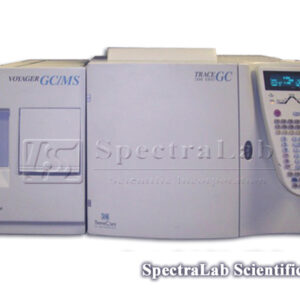
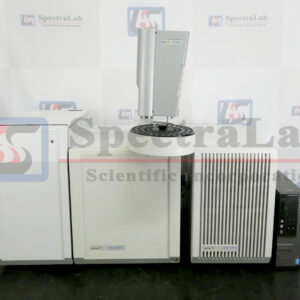
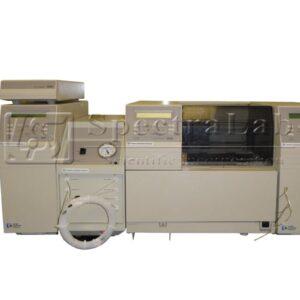
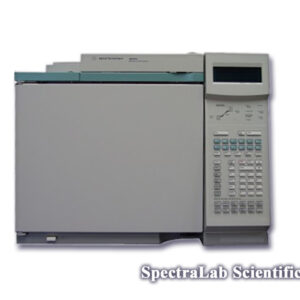
Gas Chromatography with Electron Capture Detection (GC–ECD) and Electrolytic Conductivity Detection (GC–ELCD) are highly effective techniques for analyzing organochlorine pesticides. The ECD offers exceptional sensitivity to halogenated compounds, making it ideal for detecting OCPs at trace levels in environmental and food samples. GC–ELCD complements this capability by providing element-specific detection through conductivity changes after chemical conversion, enhancing quantitation accuracy and selectivity. Together, these methods deliver reliable, reproducible results for identifying and measuring OCP residues. By combining advanced separation with selective detection, GC–ECD and GC–ELCD enable laboratories to meet stringent analytical and regulatory requirements for organochlorine pesticide monitoring.
Featured GC-ECD and GC-ELCD
Discover a wide range of lab equipment from top manufacturers at SpectraLab. View all to find more GC-ECD and GC-ELCD equipment!
-
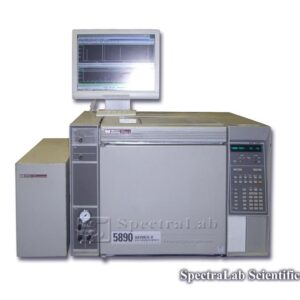
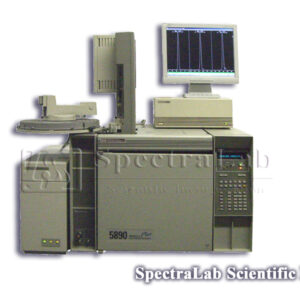
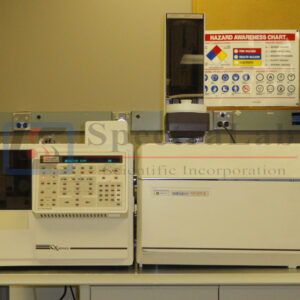
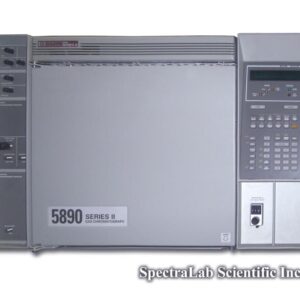
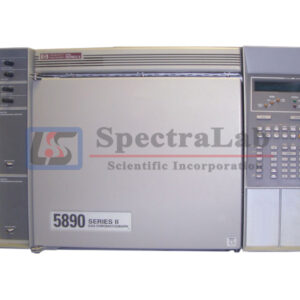
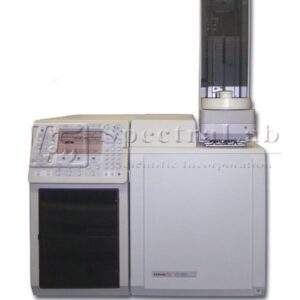
HP 5890 II GC with ECD and NPD, Split/splitless Inlet and on-column Inlet
Item ID: RefurbishedIn Stock
Quantitation of Organic Compounds of Pesticides
Overview
Pesticides are a diverse group of chemical compounds designed to protect crops and control pests. Many contain key elements such as phosphorus, sulfur, chlorine, or nitrogen that define their activity and environmental behavior. Because pesticides vary widely in structure, traditional compound-specific calibration can be time-consuming and limited when reference standards are not available. Elemental quantitation provides an alternative approach, focusing on the measurement of specific elements within the pesticide molecules rather than the compounds themselves. This enables more flexible and reliable assessment of pesticide content and residue levels across a range of samples.
Test Methods
Solutions
Gas Chromatography with Atomic Emission Detection (GC–AED) offers a powerful solution for compound-independent elemental quantitation of pesticides. The AED detects light emitted by elements as they are excited in a plasma, allowing simultaneous measurement of multiple elements such as phosphorus, sulfur, chlorine, and nitrogen. This element-specific detection eliminates the need for individual compound standards and provides accurate, reproducible quantitation based solely on elemental composition. GC–AED delivers high sensitivity, selectivity, and linear response across a wide dynamic range, making it ideal for pesticide screening, residue analysis, and regulatory compliance testing. Its ability to provide multi-element data from a single injection streamlines workflows and enhances analytical confidence in complex matrices.
Featured GC-AED
Discover a wide range of lab equipment from top manufacturers at SpectraLab. View all to find more GC-AED equipment!
Organophosphorus Compounds
Overview
Organophosphorus compounds are a class of chemicals that contain phosphorus bonded to carbon. They are widely used in agriculture as insecticides, as well as in industrial applications such as plasticizers, flame retardants, and solvents. While these compounds are valuable in many fields, some can be toxic and persistent in the environment. Because of their potential impact on human health and ecosystems, monitoring their presence in soil, water, and food is essential. Understanding their properties and behavior helps ensure safe use, regulatory compliance, and environmental protection.
Test Methods
Solutions
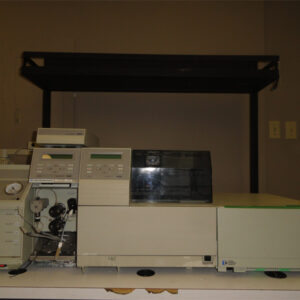
Gas Chromatography with Nitrogen–Phosphorus Detection (GC–NPD) and Electrolytic Conductivity Detection (GC–ELCD) provides precise and dependable methods for analyzing organophosphorus compounds. The GC–NPD system offers high selectivity and sensitivity for phosphorus-containing compounds, making it ideal for detecting trace levels in environmental and food samples. GC–ELCD complements this by delivering accurate quantification through conductivity-based detection after chemical conversion. Together, these instruments allow laboratories to confidently separate, identify, and measure organophosphorus compounds with consistency and accuracy. These methods support reliable monitoring, research, and quality assurance in both environmental and industrial applications.
Featured GC-NPD and GC-ELCD
Discover a wide range of lab equipment from top manufacturers at SpectraLab. View all to find more GC-NPD and GC-ELCD equipment!
-
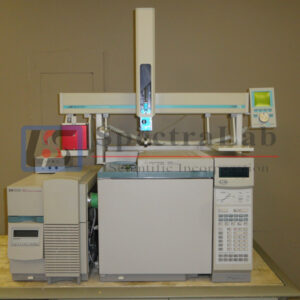
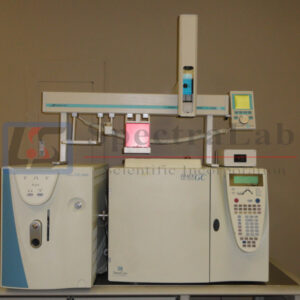
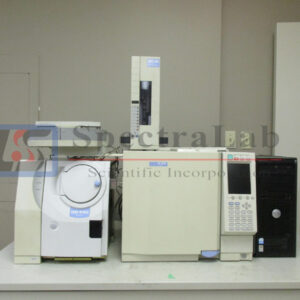
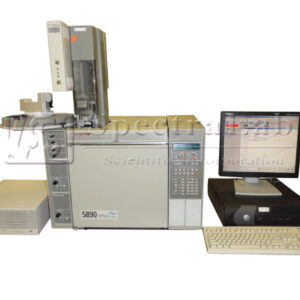
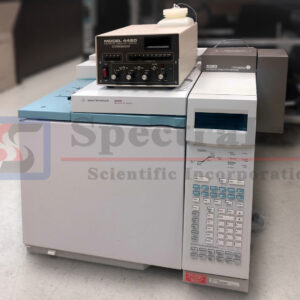
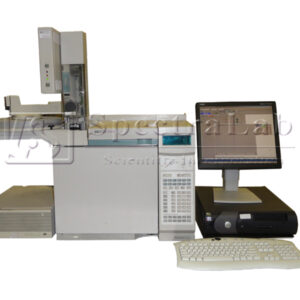
Agilent 6890 GC with FID/ECD or NPD, Agilent G1512A Controller and Agilent 6890 Auto Injector
Item ID: RefurbishedIn Stock
Chlorinated Herbicides
Overview
Chlorinated herbicides are a group of synthetic pesticides widely used to control broadleaf weeds and grasses in agricultural and industrial settings. Due to their chemical stability and persistence, these compounds can accumulate in soil, water, and biological systems, posing potential risks to human health and the environment. Monitoring chlorinated herbicide residues in environmental samples is essential to evaluate contamination levels, assess treatment effectiveness, and ensure compliance with regulatory standards.
Test Methods
Solutions
Gas Chromatography with Electron Capture Detection (GC-ECD) provides a highly sensitive and selective technique for the determination of chlorinated herbicides. Samples are typically extracted and cleaned up to remove interferences before analysis. The gas chromatograph separates individual herbicide compounds based on volatility, while the electron capture detector—highly responsive to electronegative elements such as chlorine—delivers excellent sensitivity for trace-level detection. GC-ECD enables accurate quantification of chlorinated herbicides in complex matrices, making it an ideal method for environmental monitoring, regulatory testing, and quality control applications.
Featured GC-ECD
Discover a wide range of lab equipment from top manufacturers at SpectraLab. View all to find more GC-ECD equipment!
N-Methylcarbamates
Overview
N-Methylcarbamates are a class of widely used pesticides applied in agriculture and pest control to protect crops and stored products. These compounds inhibit cholinesterase activity and can pose risks to human health and the environment if present at elevated levels. Monitoring N-methylcarbamate residues in food, water, and environmental samples is therefore critical for ensuring regulatory compliance and consumer safety.
Test Methods
EPA Method 8318A
Solutions
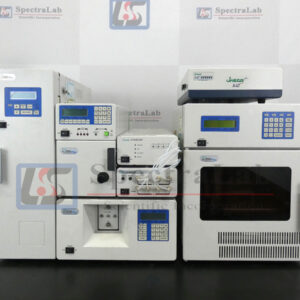
High-Performance Liquid Chromatography with Fluorescence Detection (HPLC-FLD) provides a highly sensitive and selective method for the determination of N-methylcarbamate pesticides. Before analysis, the carbamates are typically derivatized with a fluorescent reagent—such as o-phthalaldehyde (OPA)—to enhance detection sensitivity. The HPLC system separates individual carbamate compounds, and the fluorescence detector quantifies them with excellent selectivity and low detection limits. HPLC-FLD offers superior sensitivity compared to UV detection, making it an ideal technique for trace-level monitoring of N-methylcarbamate residues in complex environmental and food matrices.
Featured HPLC-FLD
Discover a wide range of lab equipment from top manufacturers at SpectraLab. View all to find more HPLC-FLD equipment!
-
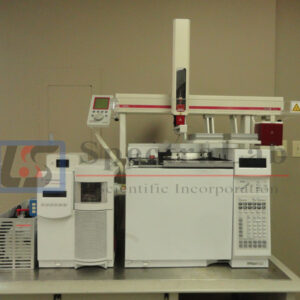
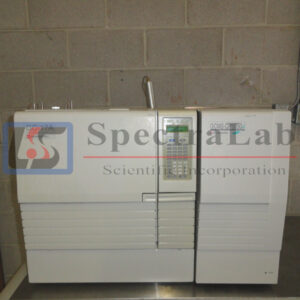
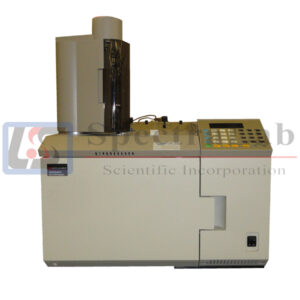
HP 5973 EI/CI MSD G1099A with 6890 Plus GC & CTC Analytics Combi PAL Autosampler
Item ID: RefurbishedIn StockPrice:$25000 USD
-
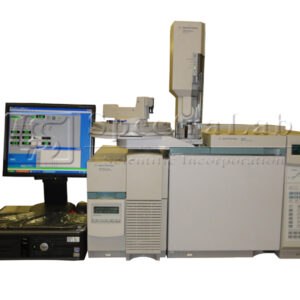
HP 5972 MSD with HP 5890 II GC, HP 7673B Autosampler, Data System and Rough Pump
Item ID: RefurbishedIn Stock
Rotenone in Municipal and Industrial Wastewaters
Overview
Rotenone is a naturally occurring pesticide commonly used for insect and fish control in agricultural and water management applications. Although effective, it is toxic to aquatic organisms and can persist in the environment if not properly managed. Monitoring rotenone levels in municipal and industrial wastewater is essential to evaluate treatment performance, prevent ecological harm, and ensure compliance with environmental discharge regulations.
Test Methods
Solutions
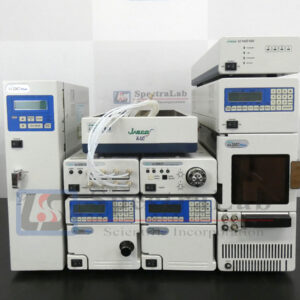
High-Performance Liquid Chromatography with Ultraviolet Detection (HPLC-UV) provides a sensitive and reliable method for the determination of rotenone in wastewater samples. Prior to analysis, samples are typically filtered and concentrated using solid-phase extraction to remove interferences and improve detection limits. The HPLC system efficiently separates rotenone from other organic compounds, while the UV detector quantifies it based on its characteristic absorbance wavelength. HPLC-UV offers excellent precision, accuracy, and reproducibility, making it a dependable technique for routine monitoring of pesticide residues in municipal and industrial wastewater.
Featured HPLC-UV
Discover a wide range of lab equipment from top manufacturers at SpectraLab. View all to find more HPLC-UV equipment!
-
Waters Acquity UPLC System with ACQUITY UPLC TUV Detector, PDA Detector,FLR Detector
Item ID: RefurbishedIn Stock -
Waters HPLC system with 1525 Binary Pump, 717 Plus Autosampler, 2487 UV/Vis, 474 FLD or 2996 PDA
Item ID: RefurbishedIn StockPrice:$12000 USD
-
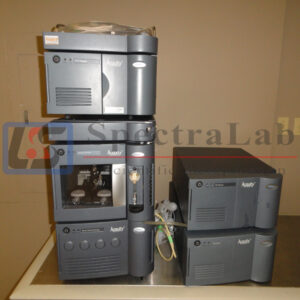
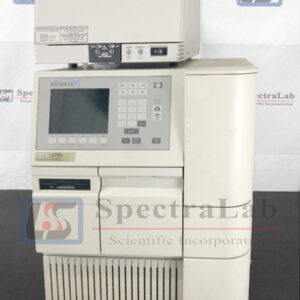
Waters Alliance 2690/2695 HPLC system with Waters 996 PDA
Item ID: RefurbishedIn StockPrice:$12000 USD
-
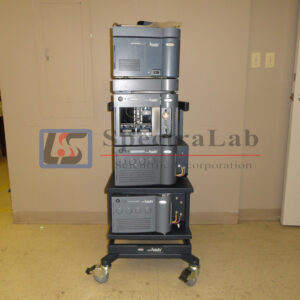
Varian ProStar Prep HPLC System with 345 UV/VIS Detector
Item ID: RefurbishedIn StockPrice:$8500 USD
-
Shimadzu VP Basic Manual HPLC with SPD-10A Uv/Vis Detector and LC-10AD pump
Item ID: RefurbishedIn Stock
-
Jasco LC-2000Plus HPLC System with FP-2020Plus Intelligent Fluorescence Detector
Item ID: RefurbishedIn Stock -
Jasco LC-2000Plus HPLC System with UV-2075Plus Intelligent UV-Vis Detector
Item ID: RefurbishedIn Stock
-
Hitachi Chromaster HPLC System, includes 5430 DAD, 5310 Column Oven, 5160 Pump, and Autosampler
Item ID: RefurbishedOn Backorder
Picloram in Municipal and Industrial Wastewater
Overview
Picloram is a chlorinated herbicide widely used for controlling broadleaf weeds in agricultural and non-crop areas. Due to its high water solubility and persistence, picloram can migrate into surface and groundwater, posing potential environmental and health risks. Monitoring its concentration in municipal and industrial wastewater is therefore important to assess treatment efficiency, prevent contamination, and ensure compliance with environmental discharge regulations.
Test Methods
Solutions
High-Performance Liquid Chromatography with Ultraviolet Detection (HPLC-UV) provides a reliable and sensitive method for the determination of picloram in wastewater samples. In this approach, water samples are typically filtered and pre-concentrated using solid-phase extraction to remove impurities and enhance detection sensitivity. The HPLC system separates picloram from other organic components, while the UV detector quantifies it based on its characteristic absorbance. HPLC-UV offers high selectivity, precision, and reproducibility, making it an effective technique for routine monitoring of herbicide residues in municipal and industrial wastewater.
Featured HPLC-UV
Discover a wide range of lab equipment from top manufacturers at SpectraLab. View all to find more HPLC-UV equipment!
-
Waters Acquity UPLC System with ACQUITY UPLC TUV Detector, PDA Detector,FLR Detector
Item ID: RefurbishedIn Stock -
Waters HPLC system with 1525 Binary Pump, 717 Plus Autosampler, 2487 UV/Vis, 474 FLD or 2996 PDA
Item ID: RefurbishedIn StockPrice:$12000 USD
-
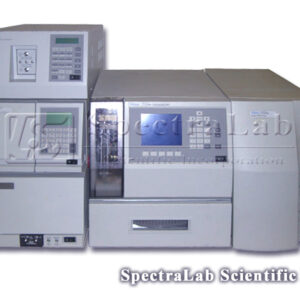
Waters Alliance 2690/2695 HPLC system with Waters 996 PDA
Item ID: RefurbishedIn StockPrice:$12000 USD
-
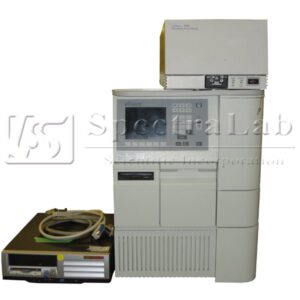
Varian ProStar Prep HPLC System with 345 UV/VIS Detector
Item ID: RefurbishedIn StockPrice:$8500 USD
-
Shimadzu VP Basic Manual HPLC with SPD-10A Uv/Vis Detector and LC-10AD pump
Item ID: RefurbishedIn Stock
-
Jasco LC-2000Plus HPLC System with FP-2020Plus Intelligent Fluorescence Detector
Item ID: RefurbishedIn Stock -
Jasco LC-2000Plus HPLC System with UV-2075Plus Intelligent UV-Vis Detector
Item ID: RefurbishedIn Stock
-
Hitachi Chromaster HPLC System, includes 5430 DAD, 5310 Column Oven, 5160 Pump, and Autosampler
Item ID: RefurbishedOn Backorder
Aldicarb, Carbofuran, Oxamyl
Overview
Persistent Organic Pollutants (POPs) are toxic chemical substances that resist environmental degradation and can accumulate in living organisms, posing long-term risks to human health and ecosystems. These compounds, such as polychlorinated biphenyls (PCBs), organochlorine pesticides, and dioxins, are often found in soil, water, air, and biological samples. Because POPs are stable and occur at trace levels within complex sample matrices, their accurate detection and quantification require highly sensitive and selective analytical techniques.
Test Methods
–
Solutions
Gas Chromatography–Mass Spectrometry (GC-MS) is a powerful and reliable tool for the analysis of POPs in complex matrices. Samples are typically extracted and purified through solvent extraction and cleanup procedures to remove interferences before GC-MS analysis. The gas chromatograph separates individual compounds based on volatility and polarity, while the mass spectrometer provides structural information and quantitative data with high sensitivity. This method allows precise identification and measurement of trace-level POPs, supporting environmental monitoring, regulatory compliance, and risk assessment studies.
Featured GC-MS
Discover a wide range of lab equipment from top manufacturers at SpectraLab. View all to find more GC-MS equipment!
-
HP 5973 EI/CI MSD G1099A with 6890 Plus GC & CTC Analytics Combi PAL Autosampler
Item ID: RefurbishedIn StockPrice:$25000 USD
-
HP 5972 MSD with HP 5890 II GC, HP 7673B Autosampler, Data System and Rough Pump
Item ID: RefurbishedIn Stock
SpectraLab Scientific Inc
Established in 2003,
SpectraLab Scientific is a global leader of Refurbished analytical equipment. We specialize in reconditioning equipment, integrating the best available technologies from leading manufacturers across the industry. We are committed to quality and service, delivering strong customer satisfaction. We stock over 10,000 pre-owned lab equipment, components, and mix-and-match parts for your systems.