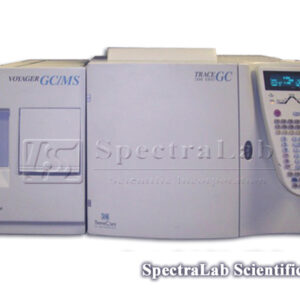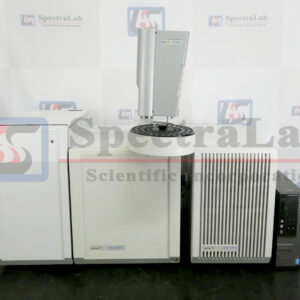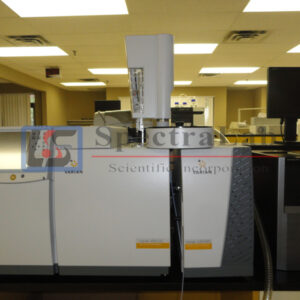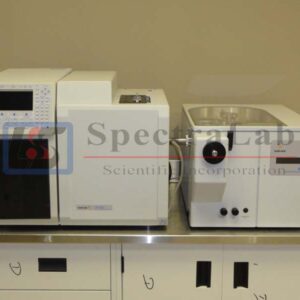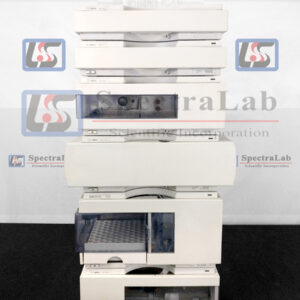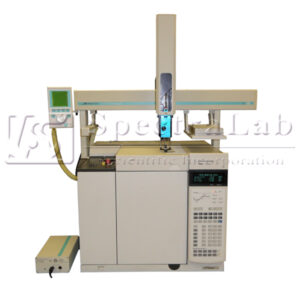
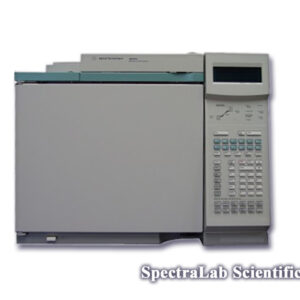
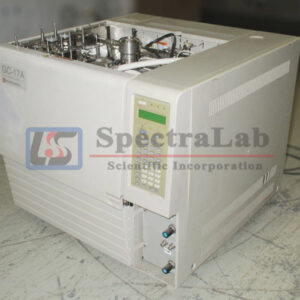
VOC / SVOC
Analysis of volatile and semivolatile organic compounds in air, water, or soil to detect solvent emissions and organic pollutants affecting environmental quality.
Nonhalogenated Organics
Overview
Lorem ipsum dolor sit amet, consectetur adipiscing elit. Ut elit tellus, luctus nec ullamcorper mattis, pulvinar dapibus leo.
Test Methods
Solutions
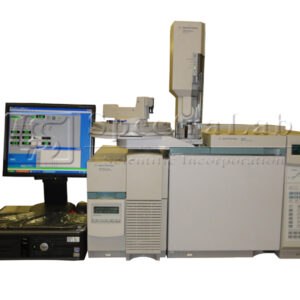
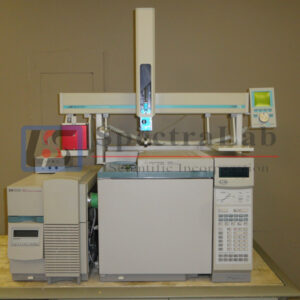
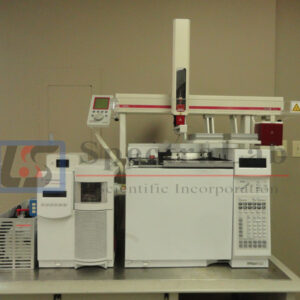
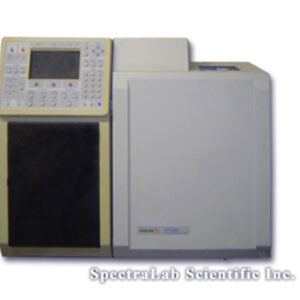
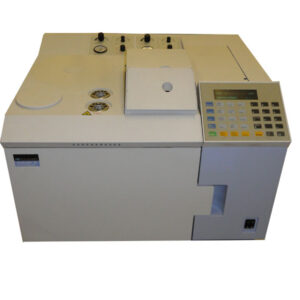
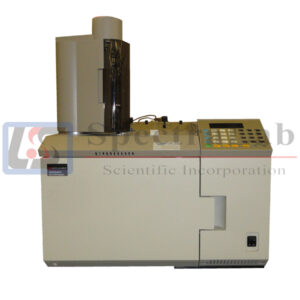
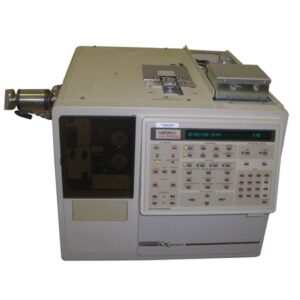
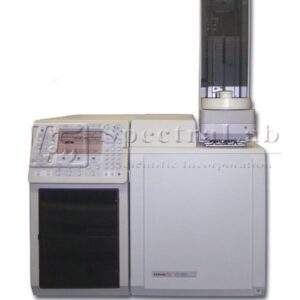
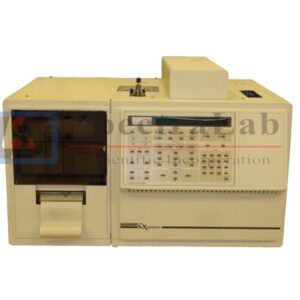
Gas Chromatography with Flame Ionization Detection (GC-FID) is a widely used analytical technique for the quantitative determination of nonhalogenated organic compounds such as hydrocarbons, alcohols, ketones, esters, and other volatile organics. Its high sensitivity to carbon-containing molecules, broad linear dynamic range, and reproducible response make it ideal for monitoring industrial solvents, fuel components, and process-related organics in environmental and product quality applications. In this application note, GC-FID is demonstrated as a robust, cost-effective method for separating and quantifying nonhalogenated organics across complex sample matrices.
Featured GC-FID
Discover a wide range of lab equipment from top manufacturers at SpectraLab. View all to find more GC-FID equipment!
-
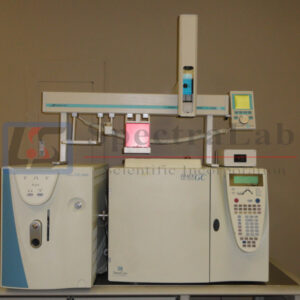
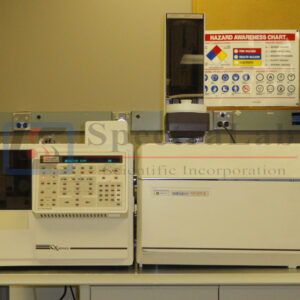
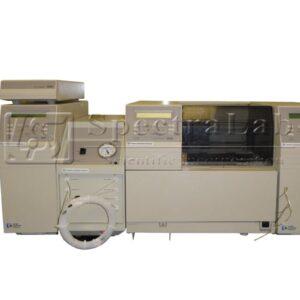
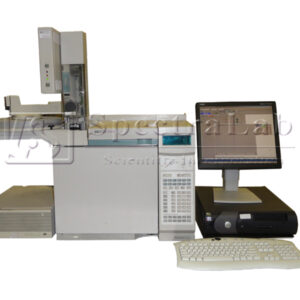
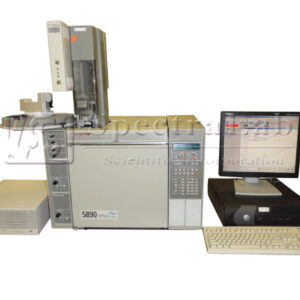
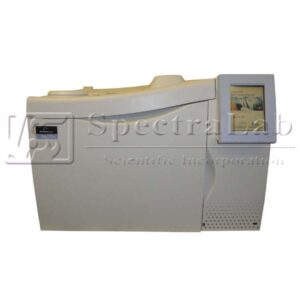
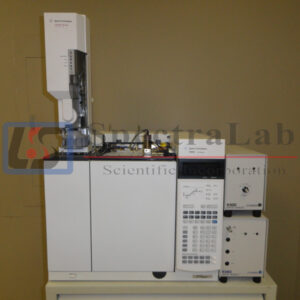
Agilent 6890 GC with FID/ECD or NPD, Agilent G1512A Controller and Agilent 6890 Auto Injector
Item ID: RefurbishedIn Stock -
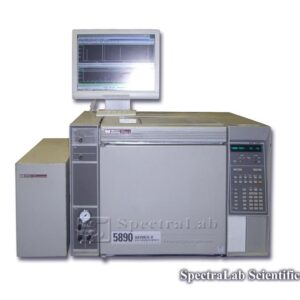
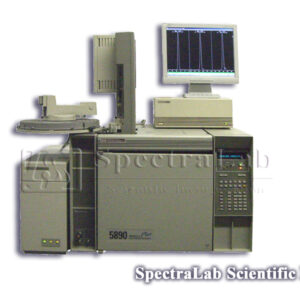
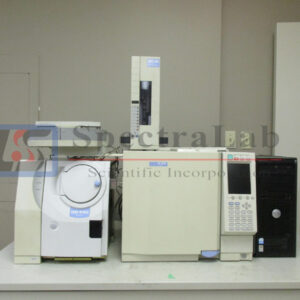
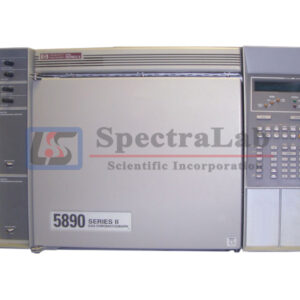
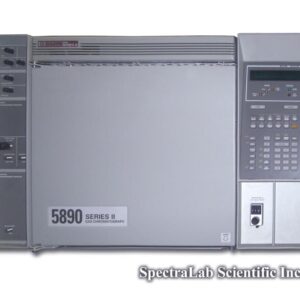
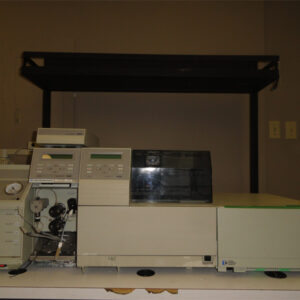
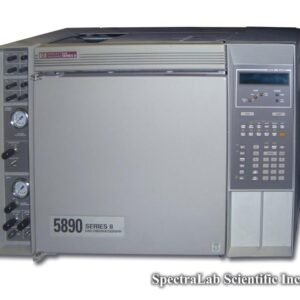
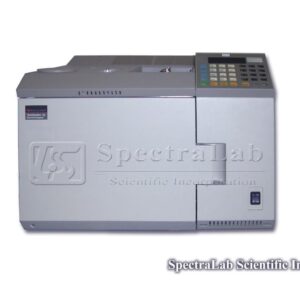
HP 5890 II GC with Dual FIDs, Split/splitless Inlet and Purged Packed Inlet
Item ID: RefurbishedIn Stock
Aromatic and Halogenated Volatiles
Overview
Lorem ipsum dolor sit amet, consectetur adipiscing elit. Ut elit tellus, luctus nec ullamcorper mattis, pulvinar dapibus leo.
Test Methods
Solutions
Gas Chromatography coupled with Electrolytic Conductivity Detection (GC-ELCD) provides a selective and sensitive approach for analyzing aromatic and halogenated volatile organic compounds in environmental, industrial, and product matrices. The ELCD offers enhanced specificity for compounds containing halogens, sulfur, or nitrogen, making it especially effective for detecting chlorinated solvents, halogenated hydrocarbons, and aromatic contaminants that are difficult to quantify using non-selective detectors. This application demonstrates the capability of GC-ELCD to achieve precise separation and quantification of complex volatile mixtures with high selectivity and low detection limits.
Featured GC-ELCD
Discover a wide range of lab equipment from top manufacturers at SpectraLab. View all to find more GC-ELCD equipment!
-
Agilent 7890A GC with OI Analytical PFPD and XSD Detectors,5380 Detector Controller,5300 Detector Controller,7683B Injector
Item ID: RefurbishedOn Backorder
Volatile Organic Compounds (by Vacuum Distillation)
Overview
Lorem ipsum dolor sit amet, consectetur adipiscing elit. Ut elit tellus, luctus nec ullamcorper mattis, pulvinar dapibus leo.
Test Methods
EPA Method 8260B
EPA Method 8261 – VOCs by Vacuum Distillation
Solutions
Gas Chromatography–Mass Spectrometry (GC-MS) is a powerful analytical technique for the identification and quantification of volatile organic compounds (VOCs) across environmental, industrial, and product applications. By combining the separation efficiency of GC with the molecular specificity of MS detection, this method enables accurate characterization of complex mixtures of hydrocarbons, solvents, and other volatile pollutants at trace levels. The approach provides high sensitivity, selectivity, and confidence in compound identification—making it ideal for routine monitoring, regulatory compliance, and source investigation of VOC emissions.
Featured GC-MS
Discover a wide range of lab equipment from top manufacturers at SpectraLab. View all to find more GC-MS equipment!
-
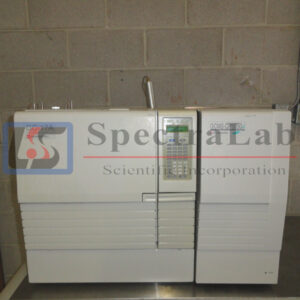
HP 5973 EI/CI MSD G1099A with 6890 Plus GC & CTC Analytics Combi PAL Autosampler
Item ID: RefurbishedIn StockPrice:$25000 USD
-
HP 5972 MSD with HP 5890 II GC, HP 7673B Autosampler, Data System and Rough Pump
Item ID: RefurbishedIn Stock
Semivolatile Organic Compounds
Overview
Lorem ipsum dolor sit amet, consectetur adipiscing elit. Ut elit tellus, luctus nec ullamcorper mattis, pulvinar dapibus leo.
Test Methods
Solutions
Gas Chromatography–Mass Spectrometry (GC-MS) is a proven and reliable technique for the analysis of semivolatile organic compounds (SVOCs) in environmental and industrial samples. These compounds, such as polycyclic aromatic hydrocarbons, phenols, phthalates, and chlorinated organics, exhibit lower volatility and higher molecular weights than typical VOCs, requiring precise temperature control and robust separation conditions. GC-MS offers excellent sensitivity, selectivity, and compound identification capabilities, making it the preferred method for regulatory monitoring, contamination assessment, and product quality evaluation of SVOCs.
Featured GC-MS
Discover a wide range of lab equipment from top manufacturers at SpectraLab. View all to find more GC-MS equipment!
-
HP 5973 EI/CI MSD G1099A with 6890 Plus GC & CTC Analytics Combi PAL Autosampler
Item ID: RefurbishedIn StockPrice:$25000 USD
-
HP 5972 MSD with HP 5890 II GC, HP 7673B Autosampler, Data System and Rough Pump
Item ID: RefurbishedIn Stock
Carbonyl Compounds
Overview
Lorem ipsum dolor sit amet, consectetur adipiscing elit. Ut elit tellus, luctus nec ullamcorper mattis, pulvinar dapibus leo.
Test Methods
EPA Method 8315A
Solutions
High-Performance Liquid Chromatography with Fluorescence Detection (HPLC-FLD) is a highly sensitive and selective technique for the determination of carbonyl compounds in air, water, and product samples. After derivatization, typically with DNPH or similar reagents, carbonyls such as aldehydes and ketones form stable fluorescent hydrazones that can be efficiently separated and quantified. The HPLC-FLD method provides excellent sensitivity, reproducibility, and linearity, making it ideal for formaldehyde and other reactive carbonyl monitoring in environmental and industrial hygiene applications.
Featured HPLC-FLD
Discover a wide range of lab equipment from top manufacturers at SpectraLab. View all to find more HPLC-FLD equipment!
-
HP 5973 EI/CI MSD G1099A with 6890 Plus GC & CTC Analytics Combi PAL Autosampler
Item ID: RefurbishedIn StockPrice:$25000 USD
-
HP 5972 MSD with HP 5890 II GC, HP 7673B Autosampler, Data System and Rough Pump
Item ID: RefurbishedIn Stock
Solvent Extractable Nonvolatile Compounds
Overview
Solvent Extractable Nonvolatile Compounds (SENVCs) are organic substances that can be extracted from materials using organic solvents and are not easily volatilized. These compounds, which may include additives, plasticizers, oligomers, and degradation products, are often analyzed to assess material composition, product safety, and regulatory compliance.
Test Methods
EPA Method 8321B
Solutions
Analytical techniques such as Liquid Chromatography–Mass Spectrometry (LC-MS) and High-Performance Liquid Chromatography with Ultraviolet detection (HPLC-UV) are commonly employed for their detection and characterization. LC-MS enables sensitive identification and structural elucidation of unknown compounds, while HPLC-UV provides accurate quantification and spectral profiling of components with UV activity. Together, these methods offer a comprehensive approach for analyzing solvent extractable nonvolatile compounds in complex matrices.
Featured LC-MS
Discover a wide range of lab equipment from top manufacturers at SpectraLab. View all to find more LC-MS equipment!
-
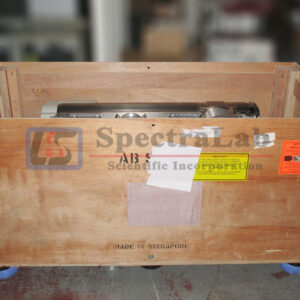
AB Sciex API 3000 LC/MS/MS with Agilent Technologies Turbo V 551 Navigator
Item ID: RefurbishedIn Stock
Featured HPLC-UV
Discover a wide range of lab equipment from top manufacturers at SpectraLab. View all to find more HPLC-UV equipment!
-
HP 5973 EI/CI MSD G1099A with 6890 Plus GC & CTC Analytics Combi PAL Autosampler
Item ID: RefurbishedIn StockPrice:$25000 USD
-
HP 5972 MSD with HP 5890 II GC, HP 7673B Autosampler, Data System and Rough Pump
Item ID: RefurbishedIn Stock
Total Volatile Organic Compounds in Indoor Air
Overview
Total Volatile Organic Compounds (TVOCs) are a group of carbon-based chemicals that easily evaporate into the air at room temperature. They are commonly released from sources such as paints, cleaning products, building materials, furnishings, and personal care items. High levels of VOCs can contribute to poor indoor air quality and may cause health effects such as headaches, eye or throat irritation, and fatigue. Monitoring and measuring TVOC concentrations are important for understanding indoor air pollution and maintaining a healthy indoor environment.
Test Methods
–
Solutions
Gas Chromatography–Mass Spectrometry (GC-MS) is a precise and dependable technique for identifying and quantifying TVOCs in indoor air. In this method, air samples are collected using sorbent tubes or canisters, then analyzed after thermal desorption or solvent extraction. The gas chromatograph separates the volatile compounds, while the mass spectrometer provides detailed information about their chemical identity and concentration. This approach allows for accurate detection of a wide range of VOCs, helping researchers and environmental professionals assess air quality, identify pollution sources, and ensure regulatory compliance.
Featured GC-MS
Discover a wide range of lab equipment from top manufacturers at SpectraLab. View all to find more GC-MS equipment!
-
HP 5973 EI/CI MSD G1099A with 6890 Plus GC & CTC Analytics Combi PAL Autosampler
Item ID: RefurbishedIn StockPrice:$25000 USD
-
HP 5972 MSD with HP 5890 II GC, HP 7673B Autosampler, Data System and Rough Pump
Item ID: RefurbishedIn Stock
Organic Pollutants in Complex Matrices
Overview
Persistent Organic Pollutants (POPs) are toxic chemical substances that resist environmental degradation and can accumulate in living organisms, posing long-term risks to human health and ecosystems. These compounds, such as polychlorinated biphenyls (PCBs), organochlorine pesticides, and dioxins, are often found in soil, water, air, and biological samples. Because POPs are stable and occur at trace levels within complex sample matrices, their accurate detection and quantification require highly sensitive and selective analytical techniques.
Test Methods
–
Solutions
Gas Chromatography–Mass Spectrometry (GC-MS) is a powerful and reliable tool for the analysis of POPs in complex matrices. Samples are typically extracted and purified through solvent extraction and cleanup procedures to remove interferences before GC-MS analysis. The gas chromatograph separates individual compounds based on volatility and polarity, while the mass spectrometer provides structural information and quantitative data with high sensitivity. This method allows precise identification and measurement of trace-level POPs, supporting environmental monitoring, regulatory compliance, and risk assessment studies.
Featured GC-MS
Discover a wide range of lab equipment from top manufacturers at SpectraLab. View all to find more GC-MS equipment!
-
HP 5973 EI/CI MSD G1099A with 6890 Plus GC & CTC Analytics Combi PAL Autosampler
Item ID: RefurbishedIn StockPrice:$25000 USD
-
HP 5972 MSD with HP 5890 II GC, HP 7673B Autosampler, Data System and Rough Pump
Item ID: RefurbishedIn Stock
Non-Methane Organic Compounds (NMOC) in Ambient Air
Overview
Non-Methane Organic Compounds (NMOCs) are a diverse group of volatile organic compounds (VOCs) present in ambient air, excluding methane. They originate from both natural sources, such as vegetation, and human activities, including industrial emissions, vehicle exhaust, and solvent use. NMOCs play a significant role in the formation of ground-level ozone and secondary organic aerosols, which contribute to air pollution and smog formation. Monitoring NMOC levels is therefore essential for understanding atmospheric chemistry, assessing air quality, and supporting regulatory air pollution control efforts.
Test Methods
ASTM D5953M-96
Solutions
Headspace Gas Chromatography with Flame Ionization Detection (HS-GC-FID) provides a robust and reliable method for the determination of NMOCs in ambient air. In this technique, air samples are collected in canisters or sorbent tubes, and volatile compounds are introduced into the GC system via headspace sampling. The gas chromatograph separates individual organic compounds, while the flame ionization detector measures their concentrations with high sensitivity and linearity. HS-GC-FID offers a simple, precise, and cost-effective approach for routine monitoring of NMOCs, enabling accurate evaluation of ambient air composition and compliance with environmental standards.
Featured HS-GC-FID
Discover a wide range of lab equipment from top manufacturers at SpectraLab. View all to find more HS-GC-FID equipment!
-
HP 5973 EI/CI MSD G1099A with 6890 Plus GC & CTC Analytics Combi PAL Autosampler
Item ID: RefurbishedIn StockPrice:$25000 USD
-
HP 5972 MSD with HP 5890 II GC, HP 7673B Autosampler, Data System and Rough Pump
Item ID: RefurbishedIn Stock
Acrylonitrile
Overview
Acrylonitrile is a volatile and toxic organic compound widely used as a raw material in the production of plastics, synthetic fibers, resins, and rubber. Due to its potential health hazards and environmental impact, accurate monitoring of acrylonitrile in air, water, and industrial processes is essential for ensuring safety and regulatory compliance. As a nitrogen-containing compound, acrylonitrile requires an analytical method that offers high selectivity and sensitivity for trace-level detection in complex matrices.
Test Methods
Solutions
Gas Chromatography with Nitrogen-Phosphorus Detection (GC-NPD) provides a selective and reliable technique for the determination of acrylonitrile. In this method, samples are collected and introduced into the gas chromatograph, where volatile components are separated based on their chemical and physical properties. The nitrogen-phosphorus detector responds specifically to compounds containing nitrogen or phosphorus, offering excellent sensitivity and low detection limits for acrylonitrile. GC-NPD enables accurate quantification and effective monitoring of acrylonitrile in environmental and industrial applications, supporting both quality control and safety assurance.
Featured GC-NPD
Discover a wide range of lab equipment from top manufacturers at SpectraLab. View all to find more GC-NPD equipment!
Acrylamide
Overview
Acrylamide is a water-soluble organic compound primarily used in the manufacture of polyacrylamide and other industrial polymers. It can also form unintentionally in food products during high-temperature cooking processes such as frying, baking, or roasting. Because acrylamide is classified as a probable human carcinogen and a neurotoxic compound, its accurate detection and quantification are critical for food safety, environmental monitoring, and occupational exposure assessment.
Test Methods
Solutions
Gas Chromatography with Electron Capture Detection (GC-ECD) offers a sensitive and selective method for the determination of acrylamide in various matrices. Prior to analysis, acrylamide is typically derivatized to improve its volatility and chromatographic behavior. The gas chromatograph separates the derivatized compounds, while the electron capture detector provides high sensitivity toward electronegative species, making it well-suited for trace-level detection. GC-ECD enables precise and reliable quantification of acrylamide, supporting quality control, food safety compliance, and environmental testing applications.
Featured GC-ECD
Discover a wide range of lab equipment from top manufacturers at SpectraLab. View all to find more GC-ECD equipment!
Acetonitrile
Overview
Acetonitrile is a volatile, nitrogen-containing organic solvent widely used in chemical synthesis, pharmaceutical manufacturing, and analytical laboratories. It is also a common byproduct in industrial processes such as acrylonitrile production. Due to its toxicity and potential environmental impact, monitoring acetonitrile concentrations in air, water, and process streams is important for ensuring workplace safety, environmental protection, and regulatory compliance.
Test Methods
Solutions
Gas Chromatography with Nitrogen-Phosphorus Detection (GC-NPD) provides a highly selective and sensitive technique for the determination of acetonitrile. In this method, samples are introduced into the gas chromatograph where volatile compounds are separated based on their physicochemical properties. The nitrogen-phosphorus detector responds specifically to nitrogen-containing compounds, offering excellent sensitivity and low detection limits for acetonitrile. GC-NPD enables accurate quantification and reliable monitoring of acetonitrile in environmental, industrial, and occupational safety applications.
Featured GC-NPD
Discover a wide range of lab equipment from top manufacturers at SpectraLab. View all to find more GC-NPD equipment!
-
HP 5890 II GC with ECD and NPD, Split/splitless Inlet and on-column Inlet
Item ID: RefurbishedIn Stock
Aniline and Selected Derivatives
Overview
Aniline and its derivatives are aromatic amines widely used as intermediates in the manufacture of dyes, pharmaceuticals, rubber processing chemicals, and agricultural products. Many of these compounds are toxic and environmentally persistent, requiring careful monitoring in industrial effluents, air, and environmental samples. Because they contain nitrogen atoms, anilines can be selectively analyzed using detection methods that target nitrogen-containing compounds, ensuring accurate identification even in complex mixtures.
Test Methods
Solutions
Gas Chromatography with Nitrogen-Phosphorus Detection (GC-NPD) provides a sensitive and selective method for the determination of aniline and its derivatives. Samples are typically extracted and purified prior to GC analysis to minimize matrix interferences. The gas chromatograph separates the compounds based on their volatility and polarity, while the nitrogen-phosphorus detector offers enhanced sensitivity for nitrogen-containing analytes. GC-NPD enables precise quantification and reliable detection of trace-level aromatic amines, making it an effective tool for environmental monitoring, industrial quality control, and regulatory compliance testing.
Featured GC-NPD
Discover a wide range of lab equipment from top manufacturers at SpectraLab. View all to find more GC-NPD equipment!
-
Agilent 6890 GC with FID/ECD or NPD, Agilent G1512A Controller and Agilent 6890 Auto Injector
Item ID: RefurbishedIn Stock -
HP 5890 II GC with ECD and NPD, Split/splitless Inlet and on-column Inlet
Item ID: RefurbishedIn Stock
Acrylamide, Acrylonitrile and Acrolein
Overview
Acrylamide, acrylonitrile, and acrolein are small, highly reactive organic compounds commonly used in industrial manufacturing and polymer production. They may also be formed as byproducts in combustion processes or during high-temperature cooking. Due to their toxicity and potential carcinogenicity, accurate monitoring of these compounds in environmental, food, and industrial samples is essential for ensuring safety and regulatory compliance. Because these analytes are volatile and polar, their analysis requires a technique capable of handling reactive and low-molecular-weight compounds with good sensitivity.
Test Methods
EPA Method 8316
Solutions
High-Performance Liquid Chromatography with Ultraviolet Detection (HPLC-UV) provides a reliable and effective method for the determination of acrylamide, acrylonitrile, and acrolein. In this approach, samples are prepared and separated on a reversed-phase column using optimized mobile phase conditions to achieve good resolution among these closely related compounds. The UV detector enables sensitive and selective quantification based on characteristic absorption wavelengths. HPLC-UV offers high precision, reproducibility, and simplicity for routine analysis, making it well-suited for quality control, environmental monitoring, and food safety testing of these hazardous organic compounds.
Featured HPLC-UV
Discover a wide range of lab equipment from top manufacturers at SpectraLab. View all to find more HPLC-UV equipment!
-
Waters Acquity UPLC System with ACQUITY UPLC TUV Detector, PDA Detector,FLR Detector
Item ID: RefurbishedIn Stock -
Waters HPLC system with 1525 Binary Pump, 717 Plus Autosampler, 2487 UV/Vis, 474 FLD or 2996 PDA
Item ID: RefurbishedIn StockPrice:$12000 USD
-
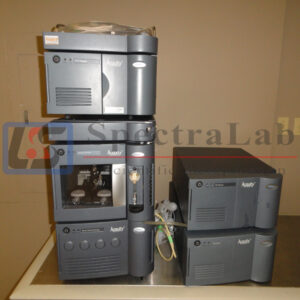
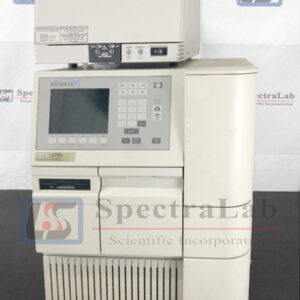
Waters Alliance 2690/2695 HPLC system with Waters 996 PDA
Item ID: RefurbishedIn StockPrice:$12000 USD
-
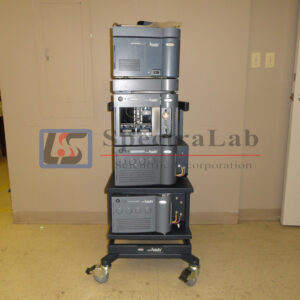
Varian ProStar Prep HPLC System with 345 UV/VIS Detector
Item ID: RefurbishedIn StockPrice:$8500 USD
-
Shimadzu VP Basic Manual HPLC with SPD-10A Uv/Vis Detector and LC-10AD pump
Item ID: RefurbishedIn Stock
-
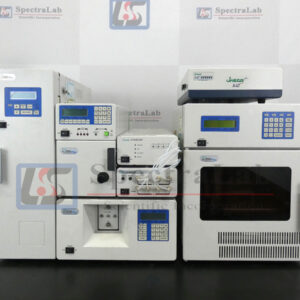
Jasco LC-2000Plus HPLC System with FP-2020Plus Intelligent Fluorescence Detector
Item ID: RefurbishedIn Stock -
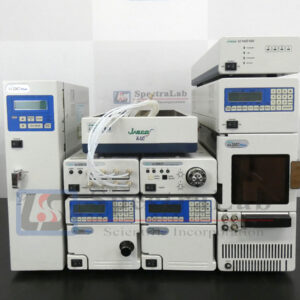
Jasco LC-2000Plus HPLC System with UV-2075Plus Intelligent UV-Vis Detector
Item ID: RefurbishedIn Stock
-
Hitachi Chromaster HPLC System, includes 5430 DAD, 5310 Column Oven, 5160 Pump, and Autosampler
Item ID: RefurbishedOn Backorder
Aromatic Hydrocarbon Types in Middle Distillates
Overview
Aromatic hydrocarbons are key components in petroleum-derived fuels and lubricants that influence combustion characteristics, stability, and environmental performance. In middle distillates—such as diesel fuel, kerosene, and jet fuel—the concentration and distribution of mono-, di-, and polyaromatic hydrocarbons are important indicators of product quality and regulatory compliance. Accurate determination of aromatic hydrocarbon types helps refineries optimize production processes and ensure adherence to environmental and fuel standards.
Test Methods
ASTM D6591
Solutions
High-Performance Liquid Chromatography with Refractive Index Detection (HPLC-RI) provides a precise and reliable method for the determination of aromatic hydrocarbon types in middle distillate samples. The technique separates aromatic species based on their polarity and molecular structure using a specialized stationary phase. The refractive index detector offers stable and universal detection without the need for compound-specific chromophores, making it suitable for hydrocarbon mixtures. HPLC-RI enables accurate quantification of monoaromatic, diaromatic, and triaromatic hydrocarbons, supporting quality control, specification testing, and compliance with fuel property standards.
Featured HPLC-RI
Discover a wide range of lab equipment from top manufacturers at SpectraLab. View all to find more HPLC-RI equipment!
-
Waters Alliance 2695 HPLC system with Waters 2410 Refractive Index Detector
Item ID: RefurbishedIn Stock
SpectraLab Scientific Inc
Established in 2003,
SpectraLab Scientific is a global leader of Refurbished analytical equipment. We specialize in reconditioning equipment, integrating the best available technologies from leading manufacturers across the industry. We are committed to quality and service, delivering strong customer satisfaction. We stock over 10,000 pre-owned lab equipment, components, and mix-and-match parts for your systems.